



By Chikanza Pius
As Southern Africa marks a decade since the adoption of the SADC Model Law on Eradicating Child Marriage, growing evidence of continued child abuse, gender-based violence and exploitation across the region is prompting calls for a more comprehensive approach that addresses the economic and environmental forces placing girls at risk.
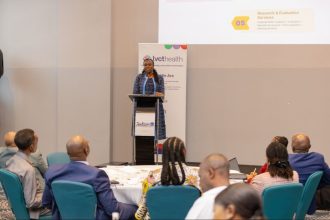
Speaking at the SADC People’s Summit 2026, researcher and ecofeminist scholar Dr Melania Chiponda argued that the region’s efforts to end child marriage can no longer focus solely on legal reform. Instead, she called for a new regional framework that links child marriage prevention, climate justice and accountability for extractive industries, warning that mining expansion and climate shocks are creating new vulnerabilities for girls across Southern Africa.
Her presentation, Beyond the Model Law: A Decade of the SADC Model Law on Eradicating Child Marriage, Read Through Land, Extraction and Climate Justice, was delivered as stakeholders reflected on ten years of progress under the landmark regional law. The Model Law established 18 years as the minimum age of marriage and provided a framework for protecting children from early and forced marriage.
However, Dr Chiponda said the context in which child marriage occurs has changed dramatically since 2016.
“The floor the Model Law built still matters,” she noted, but legal protections alone cannot address the deeper reasons why families and girls continue to turn to marriage as a survival strategy.
Persistent Child Abuse Across the Region
Despite policy gains, child rights organisations continue to report alarming levels of abuse and exploitation affecting children and adolescents across Southern Africa.
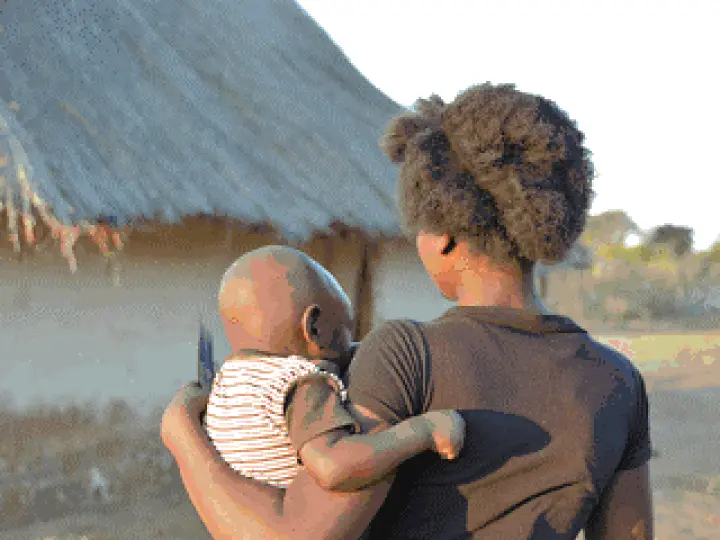
According to UNICEF and SADC data, around 30 percent of young women in Southern Africa were married before the age of 18, while nearly one-third of those young brides reported experiencing intimate partner violence. The same data show that one in three girls and women have experienced violence from an intimate partner, while many survivors never seek help.
Recent UNICEF analyses have also warned that progress toward ending child marriage is being threatened by intersecting crises including climate shocks, displacement, economic instability and other structural pressures that affect vulnerable households.
Across the SADC region, child protection advocates have increasingly linked droughts, floods, food insecurity and displacement to rising risks of child marriage, sexual exploitation and school dropout among girls.
Mining Boom, Climate Crisis and Child Protection
Dr Chiponda’s analysis argues that these trends are not isolated.
She pointed to the rapid expansion of lithium, cobalt, graphite and other critical mineral extraction projects across Southern Africa, noting that mining developments are reshaping rural economies and land-use systems at unprecedented speed.
At the same time, communities are facing recurring droughts, floods and failed harvests that are eroding household resilience and pushing families toward harmful coping mechanisms.
According to the presentation, displacement caused by mining concessions can remove families from subsistence livelihoods that once enabled girls to remain in school. Mining boomtowns may also create environments where transactional sex, early marriage and exploitation become more common.
Similarly, climate-induced displacement and humanitarian crises can weaken community protection systems and increase the risks of gender-based violence and child marriage.
One example highlighted in the presentation is Bikita, Zimbabwe, where one of the region’s fastest-growing lithium extraction zones overlaps with longstanding concerns about girls’ education, land loss and child marriage. Dr Chiponda argued that these issues should not be viewed separately but as interconnected consequences of broader development choices.
A Blind Spot in Regional Policy
A major concern raised at the Summit was what Dr Chiponda described as a disconnect between child protection policies and regional “just transition” strategies.
While governments and investors increasingly focus on critical minerals needed for green energy technologies, discussions often overlook the gendered impacts of mining expansion, child marriage risks and the protection needs of affected communities.
The presentation further argues that the existing Model Law contains no specific obligations for mining companies operating in child-marriage hotspots and does not adequately address climate-induced displacement or land rights concerns.
Calls for Reform
To address these gaps, Dr Chiponda proposed six reforms, including stronger corporate accountability measures, gender-responsive community consent processes, climate-displacement protections, integration with regional just transition frameworks and expanded monitoring systems that track environmental and economic drivers of child marriage alongside legal compliance.
She also called for stronger collaboration between child-rights organisations, climate justice movements, land-rights advocates and feminist groups to address the root causes of child marriage.
As SADC governments prepare for the next decade of implementation, child rights advocates say the challenge is no longer simply enforcing a minimum age of marriage. It is ensuring that climate policies, mining investments and development strategies do not unintentionally create the very conditions that place girls at risk.
“The Model Law gave the region a floor,” Dr Chiponda concluded. “A decade on, it needs a foundation fit for the crises ahead.”
Her message resonates at a time when Southern Africa is confronting both a climate emergency and an unprecedented minerals boom—two forces that may shape the future of child protection as much as any law on the books.