


More than 200 million African women live with conditions such as heavy menstrual bleeding, fibroids and endometriosis. Researchers say better funding and support are needed to turn local ideas into practical health solutions
By Lenah Bosibori
Across Africa, millions of women live with severe menstrual pain, fibroids, endometriosis and pelvic floor disorders without timely diagnosis or treatment. Some miss school or work because of their symptoms, while others are told that pain is simply part of being a woman.
Yet women’s health research and services have historically focused heavily on pregnancy and childbirth, leaving many conditions affecting women throughout their lives underfunded and poorly understood.
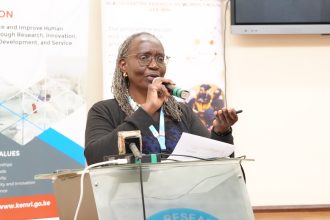
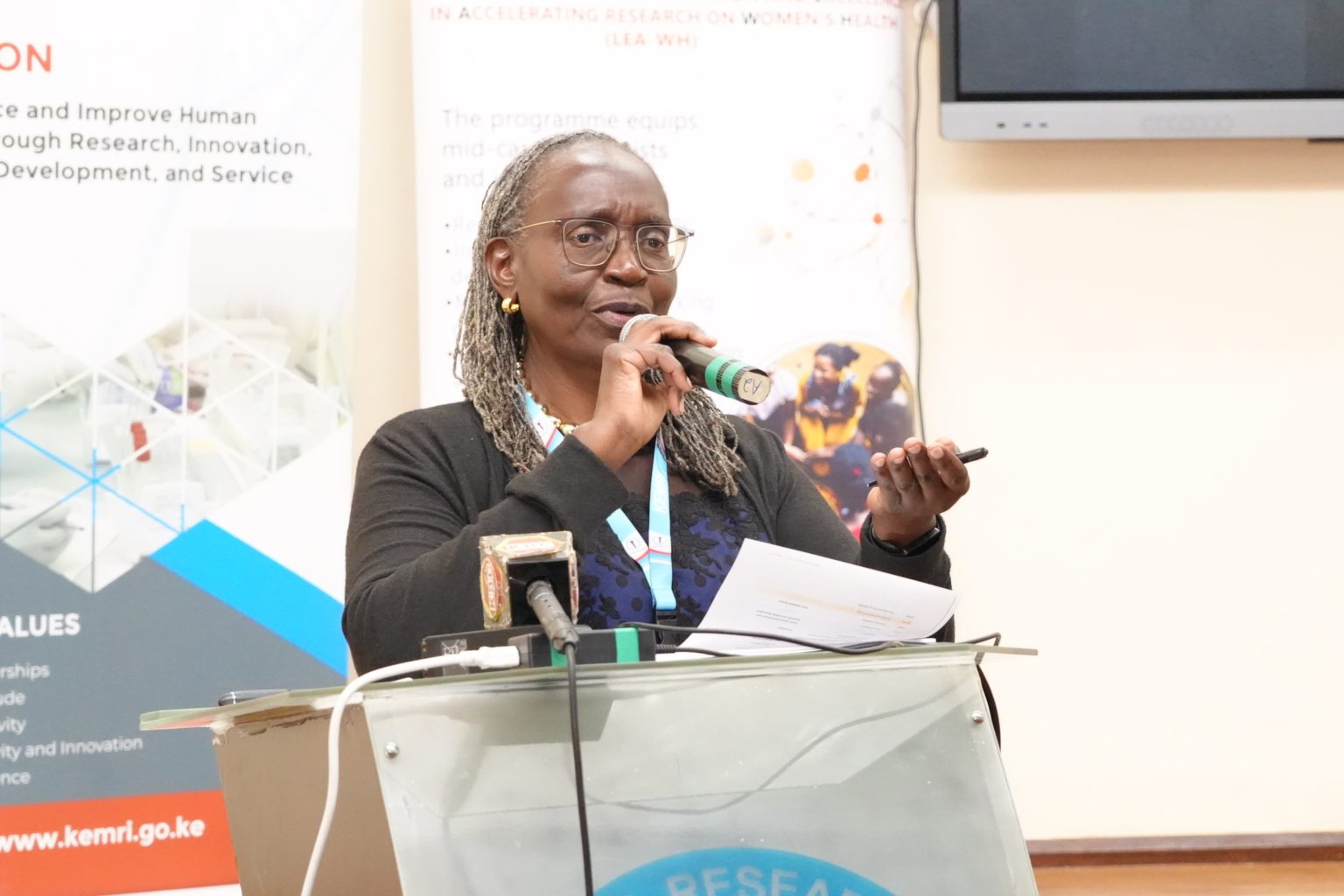
At a discussion with science journalists at the Kenya Medical Research Institute (KEMRI), health researchers called for greater investment in research addressing these neglected needs. They said African scientists must be supported to develop solutions that respond to the health challenges women face in their communities.
More than 200 million African women are affected by preventable or treatable health conditions that remain poorly researched. Only about 1 per cent of global health research and development funding goes to female-specific conditions beyond cancer, according to figures presented at the discussion.
The Leadership for Innovation and Excellence in Accelerating Research on Women’s Health (LEA-WH) programme is working to help close this gap by supporting African researchers and innovators to develop ideas into solutions that can reach women.
With an investment of about KSh455 million (US$3.5 million), the programme brings together 20 early-career researchers and innovators from 11 African countries. Their work spans reproductive tract infections, cervical cancer and human papillomavirus (HPV), the vaginal microbiome, menstrual health, endometriosis, menopause and contraceptive technologies.
The fellows will present their work at the Women’s Health Ecosystem Forum (WHEF 2026), scheduled for November 2 to 5. Organized by LEA-WH in partnership with KEMRI and the U.S. National Academy of Medicine, the forum will bring together researchers, innovators, investors, donors, incubators and technology hubs.
Under the theme Building Africa’s Women’s Health Ecosystem: Connecting Research, Innovation and Investment, the forum aims to connect African-led research with the funding, expertise and partnerships needed to turn scientific findings into practical health solutions.
Professor Elizabeth Bukusi, programme director of LEA-WH, said the initiative is designed to strengthen researchers’ skills and connect them with people who can help develop their ideas.
“What we are doing is taking these middle-level scientists and training them to be able to have impact, for them to truly develop these ideas and grow them so it can make a difference,” she said.
Women should not have to endure pain in silence
Prof Bukusi said power imbalances influence which health issues receive attention and funding. “Who makes decisions? Men. Who has the money? Largely men,” she said.
She noted that commercial priorities can push women’s health needs further down the agenda. Even necessities such as sanitary pads continue to face funding debates, although a lack of access to menstrual products can affect whether girls attend school.
Women have also historically been underrepresented in medical research and clinical trials, partly because of concerns about pregnancy and fertility. This has contributed to gaps in understanding how some conditions and treatments affect women.
“If you are going to do research on why women are bleeding heavily, you must do it in a woman who is bleeding heavily,” Prof Bukusi said.
She added that many women delay seeking medical attention because they prioritize caring for children, partners and other relatives. Others dismiss symptoms such as heavy bleeding and severe menstrual pain because they have been made to believe these are normal experiences of womanhood.
“It is not a sentence that because you are a woman you must suffer and you must feel pain and life must be difficult,” she said. “We’ve normalized it to some extent and that’s why often people ignore.”
Women’s health needs extend well beyond pregnancy and childbirth. They change from adolescence through adulthood and menopause, requiring access to information, diagnosis, and treatment at different stages of life.
Cervical cancer remains a major cause of cancer deaths among women in sub-Saharan Africa. Eighteen of the 20 countries with the highest cervical cancer burden are in Africa, according to figures presented at the discussion.
The continent also faces a substantial burden of HIV and reproductive tract infections. About 570 adolescent girls and young women acquire HIV each day across Africa, according to figures cited at the event.
Other conditions, including pelvic floor disorders and bladder-control problems, can affect women’s daily lives but often receive limited attention. Menopause also brings physical and emotional changes, yet many women have little information or access to appropriate support.
Figures presented at the discussion showed that women spend about 25 per cent more of their lives in poor health than men.
Prof Bukusi said investment in women’s health should not be judged only by its financial returns. Better health benefits individuals, families and communities, allowing women to live healthier and more productive lives.
“Many things that we invest in, the return on investment is not cash,” she said. “The return on investment is healthy individuals who can function and be productive, stay alive and healthy, and support their communities.”
Helping researchers move ideas beyond the laboratory
Even when scientists develop promising ideas, turning them into products or services that reach patients can be difficult. Researchers may lack the business skills, funding, regulatory knowledge, and intellectual property support needed to move their work beyond the laboratory.
Prof Bukusi compared this challenge to that of a local vendor seeking to grow a small business selling avocados or vegetables. Reaching more customers may require better suppliers, new skills, partnerships or a way to turn the produce into a higher-value product, such as juice.
Researchers face a similar challenge. A promising scientific discovery may not reach the people who need it unless its developers understand how to refine, finance, protect and bring it to market.
The LEA-WH programme provides training and mentorship in entrepreneurship, product development, regulatory pathways, intellectual property and commercialization. Rather than simply giving fellows money, it aims to equip them with the skills and networks to attract investment and develop their ideas.
“You may have a really good idea, but if you can’t sell it, nobody’s going to buy it,” Prof Bukusi said.
Professor Nyawira Gitahi, a KEMRI researcher and LEA-WH programme coordinator, said researchers need to understand regulatory requirements early in product development. Without this knowledge, they may encounter delays when they are ready to test or introduce a product.
“One of the biggest challenges has been not knowing,” Prof Gitahi said. “As you create your product on the bench, you do not have the regulatory pathway in mind.”
Through boot camps and industry mentorship, the programme helps fellows understand the steps involved in validation studies, regulatory review and patent protection. These are important in ensuring that promising innovations can be assessed, protected and developed for wider use.
AI needs relevant data and careful use
Artificial intelligence is emerging as another tool that could improve women’s healthcare. It may help health facilities manage busy services, organize patient queues and direct women to appropriate care.
However, its usefulness depends on the quality and relevance of the data used to develop and train these systems.
Prof Gitahi warned that AI tools trained on data that do not represent the populations they are intended to serve may produce unreliable results. “If you use training data that is not representative, it comes from a different place,” she said.
She said AI should support healthcare delivery rather than replace professional judgement. Its use must also be guided by appropriate safeguards and regulatory oversight, particularly where decisions could affect diagnosis and treatment.
Researchers therefore need to consider whether the data used to develop these technologies reflect the populations, conditions and health needs they are designed to address.
The Women’s Health Ecosystem Forum will provide fellows with an opportunity to present their work and engage potential investors, donors, incubators and industry partners. These connections could help promising ideas move beyond academic research towards further development and practical application.
However, researchers also face broader challenges, including limited domestic investment in science. African governments have not consistently met the target of allocating 1 per cent of gross domestic product to research and development.
The LEA-WH programme seeks to strengthen local research capacity while equipping fellows with skills and networks they can take back to their countries.
Prof Bukusi said African researchers could help develop affordable and accessible solutions for women experiencing menopause and other neglected health conditions. “The goal is for each of these people, when they go back to the countries where they work, to be able to make an impact in the places where they work,” she said.
The programme aims to support up to 10 products through market testing, establish start-up companies, file patent applications, and catalyze follow-on funding.
Ultimately, its success will depend on whether the research and innovations it supports translate into better options for women seeking diagnosis, treatment and care.
For millions of African women whose health concerns have long received limited attention, the message from researchers is clear: women’s health must be treated as a priority throughout life, not only when they become pregnant or give birth.