




By Pauline Simiyu
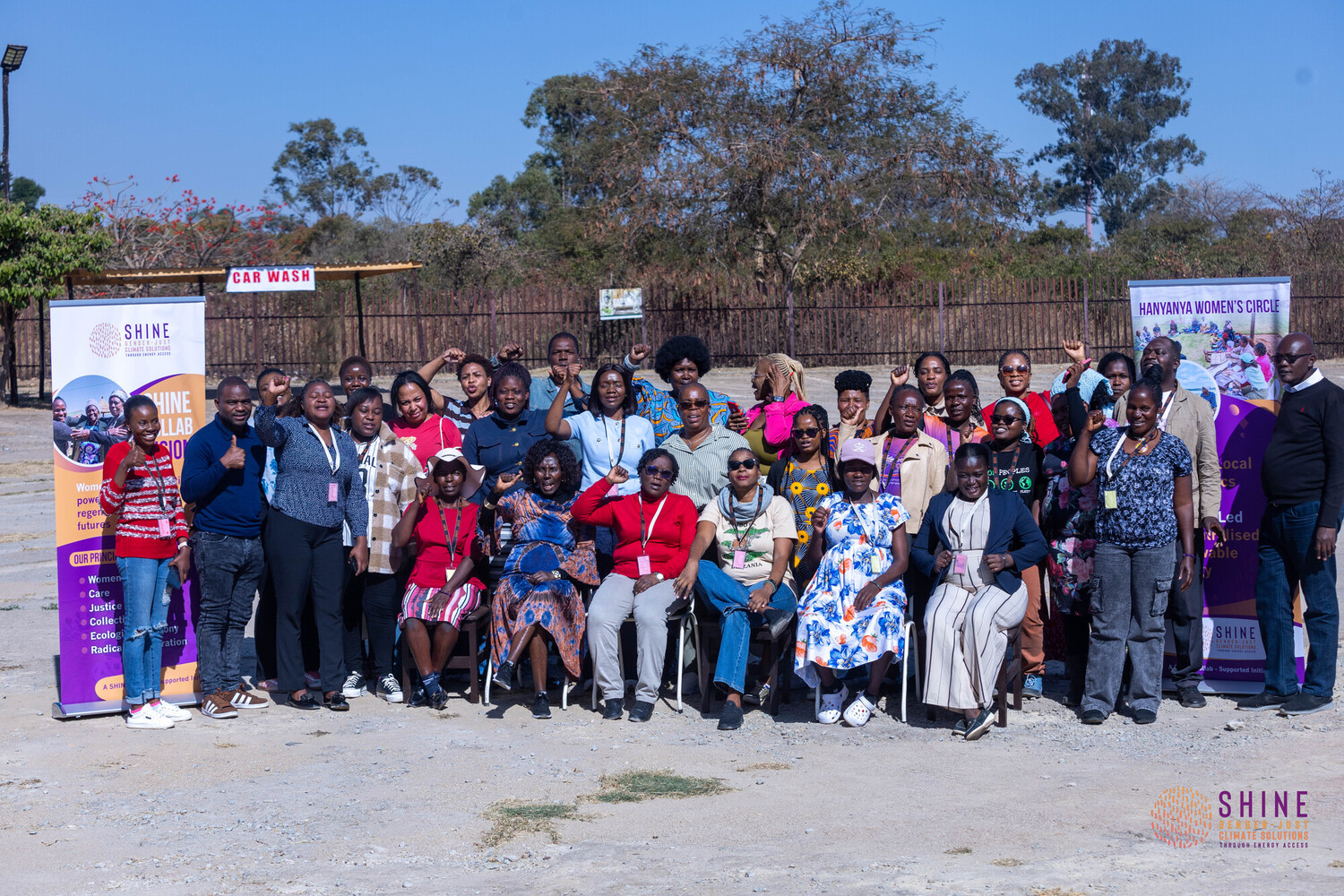
At the close of a three-day Ecofeminist Convening that brought together grassroots women leaders, Indigenous women, environmental defenders, legal experts, researchers, and civil society organisations from across Africa and beyond, participants issued a united call for governments, development partners, investors, and mining companies to fundamentally rethink how decisions on land and critical mineral investments are made.
As the global transition to clean energy accelerates demand for critical minerals, communities—particularly women—continue to shoulder the greatest social, environmental, and economic costs while remaining largely excluded from decisions that directly affect their lives, livelihoods, and futures.
According to the communique from the convening, the participants affirmed that there can be no just energy transition without land justice, gender justice, and climate justice.
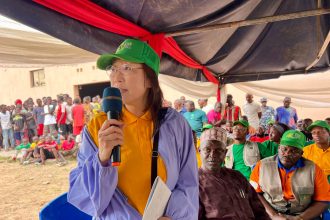
“Women are the custodians of land, water, forests, biodiversity, and traditional ecological knowledge. Yet their voices remain absent from negotiation tables where mining concessions are approved, compensation packages are designed, and relocation plans are developed. This exclusion perpetuates inequality, undermines community resilience, and weakens sustainable development outcomes,” said Dr Melania Chiponda, a climate justice activist who also leads the Shine Collab, a global ecofeminist movement of CSOs, gender and faith based organisations.
The ecofeminists called upon governments to guarantee the meaningful, effective, and continuous participation of grassroots women in every stage of land governance and decision-making relating to critical mineral exploration, extraction, and post-mining restoration. “Consultation must go beyond symbolic representation and ensure that women’s knowledge, priorities, and lived experiences shape policy and practice,” noted Tatenda Wachenuka, the executive director, Young Women Pink Foundation, a non-profit organization focused on youth empowerment, gender equality, and sexual and reproductive health and rights.
The convening expressed deep concern over current compensation practices that overwhelmingly favour cash payments. In many communities, women have limited control over household finances, and bank accounts are frequently registered in the names of men, leaving women without equitable access to compensation intended to restore their livelihoods.
The Convening called for compensation and resettlement frameworks that prioritise land-for-land compensation wherever possible, noting that access to productive land safeguards food security, preserves cultural identity, strengthens women’s economic independence, and provides long-term resilience for future generations. “Financial compensation should never replace secure land rights where land-based livelihoods are at stake,” noted Dr Chiponda.
Participants further urged governments and financial institutions to establish climate finance mechanisms that are inclusive, gender-responsive, and directly accessible to grassroots women and community-led organisations. Women remain on the front lines of climate impacts while receiving only a fraction of available climate finance. Financing mechanisms must be simplified, transparent, and designed to support locally led adaptation, ecosystem restoration, sustainable livelihoods, and community resilience.
Recognising that the challenges surrounding critical mineral extraction transcend national borders, participants committed to strengthening collaboration among ecofeminists across geographical regions. Building stronger networks for solidarity, legal advocacy, research, movement building, and knowledge exchange will enable communities to share strategies, amplify collective voices, and hold governments and corporations accountable for protecting land, human rights, and the environment.
The convening reaffirmed that Africa’s rich mineral resources must contribute to shared prosperity rather than deepen inequality and environmental degradation. The transition to renewable energy must not come at the expense of women’s rights, Indigenous knowledge, community land rights, or ecological integrity.
“We therefore call on governments, regional institutions, development partners, investors, and the private sector to place grassroots women at the centre of all policies, financing mechanisms, and investment decisions relating to critical minerals and climate action,” noted the statement.
They noted that a future of a just transition depends not only on the minerals beneath the ground but also on the people who have protected these landscapes for generations. “Together, we affirm that the energy transition must be just, feminist, community-led, and rooted in the protection of land, dignity, and the rights of present and future generations,” noted the statement.