



By Andrew Sande
As countries confront the prospect of a 1.5°C overshoot, reducing methane emissions offers one of the fastest opportunities to slow the rate of warming in the near term.
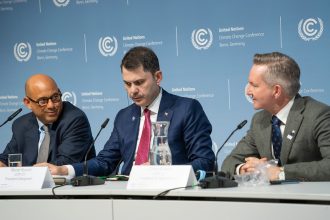
COP31 in Türkiye will provide an important test of whether governments are moving beyond commitments to deliver concrete methane reductions across the energy, agriculture and waste sectors.
Waste management will be a focus, led by Türkiye’s Presidency through the Action Agenda.
One priority is reducing the amount of food and other organic waste sent to landfills, where it decomposes and releases methane into the atmosphere. Methane emissions from organic waste remain a significant and often under-addressed source of greenhouse gases.
But what does this mean for Uganda?
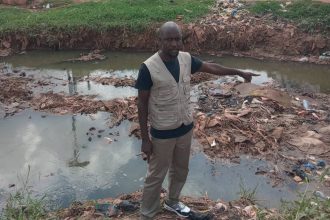
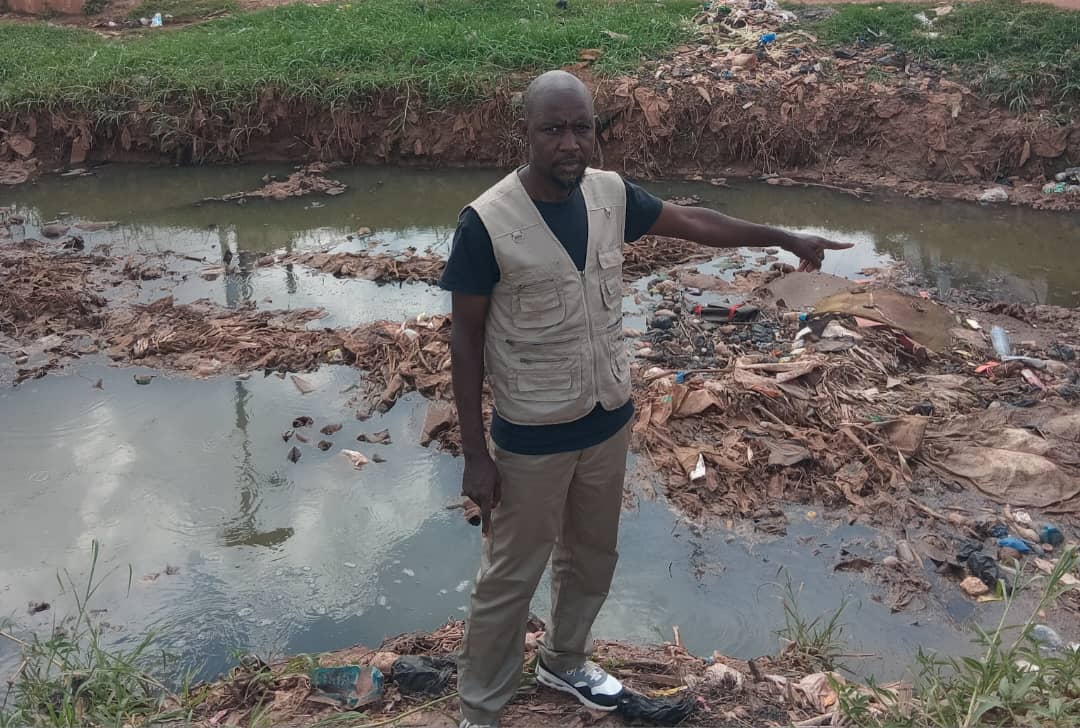
In Kampala, Jinja, Mbale, Mbarara, Gulu and Arua, food waste, plastic waste and organic waste are mixed together and dumped in open landfills and drainages. When it rains, the drainages block, floods come, and the waste rots — releasing methane, the invisible gas that is warming our planet 80 times faster than carbon dioxide in the short term.
Yet, the people who are actually fighting this methane crisis are invisible. They are the waste pickers. The Invisible Climate Heroes
Every morning in Kampala, waste pickers wade into drainages with bare hands, bare feet, no gloves, no boots, no overalls, to pull out plastic and organic waste.
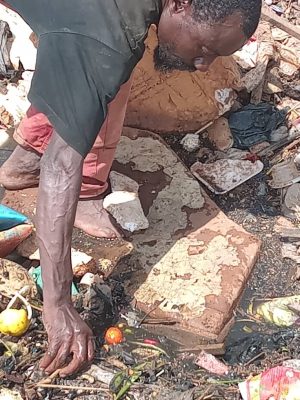
They are reducing methane. They are reducing floods. They are cleaning Uganda. But they are doing it without protection.
This is why Applied Pragmatic Social Action (APSA), a community-based organisation founded in Kampala, launched the Protect The Picker campaign.
APSA’s goal is to protect 1,000 waste pickers across Uganda with reusable gloves, boots and overalls, so they can work safely and with dignity while they help Uganda cut methane emissions.
“When we protect the picker, we protect the planet,” says Andrew Sande, Founder of APSA. “COP31 is talking about methane. But in Uganda, the waste pickers are already doing the work. They just need to be seen, protected and supported.”
From Landfills to Little Guardians
APSA’s work goes beyond waste pickers. APSA is nurturing “Little Guardians”— children being taught to protect the environment as they also learn the Godly Kingdom.
“The earth was beautiful when God created it, and we have to protect it,” says Sande. “If we teach children now to sort waste, to not throw food in landfills, to protect God’s creation, Uganda will have a generation that will not repeat our mistakes.”
This is the same message that COP31 is carrying: reducing food waste sent to landfills is not just a technical issue. It is a moral issue. It is about protecting God’s creation.
What Uganda Must Do at COP31
As world leaders meet in Türkiye, Africa Science News calls on Uganda’s delegation to:
- Support waste pickers as methane fighters — recognise them in Uganda’s climate plans and give them protective gear and decent pay.
- Invest in sorting waste at source — separate food waste from plastic waste so food waste does not rot in landfills and release methane.
- Support community organisations like APSA — who are already on the ground, teaching children and protecting pickers, without waiting for international funding.
COP31 will test whether governments are serious. For Uganda, seriousness starts in the drainages of Kampala, not only in the conference halls of Türkiye.
END
Andrew Sande works for the Applied Pragmatic Social Action and is at COP31