


By Lenah Bosibori
Erick Omondi has lived with Type 1 diabetes for 23 years. He was diagnosed at the age of 17, after his parents repeatedly dismissed the symptoms, he had been experiencing.
When he joined Form One, he began documenting the symptoms, hoping to understand what was happening to his body. His condition eventually led him to hospital, where he was diagnosed with diabetes.
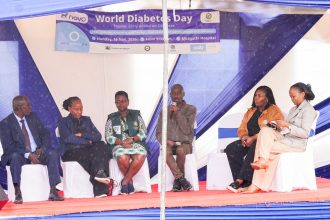
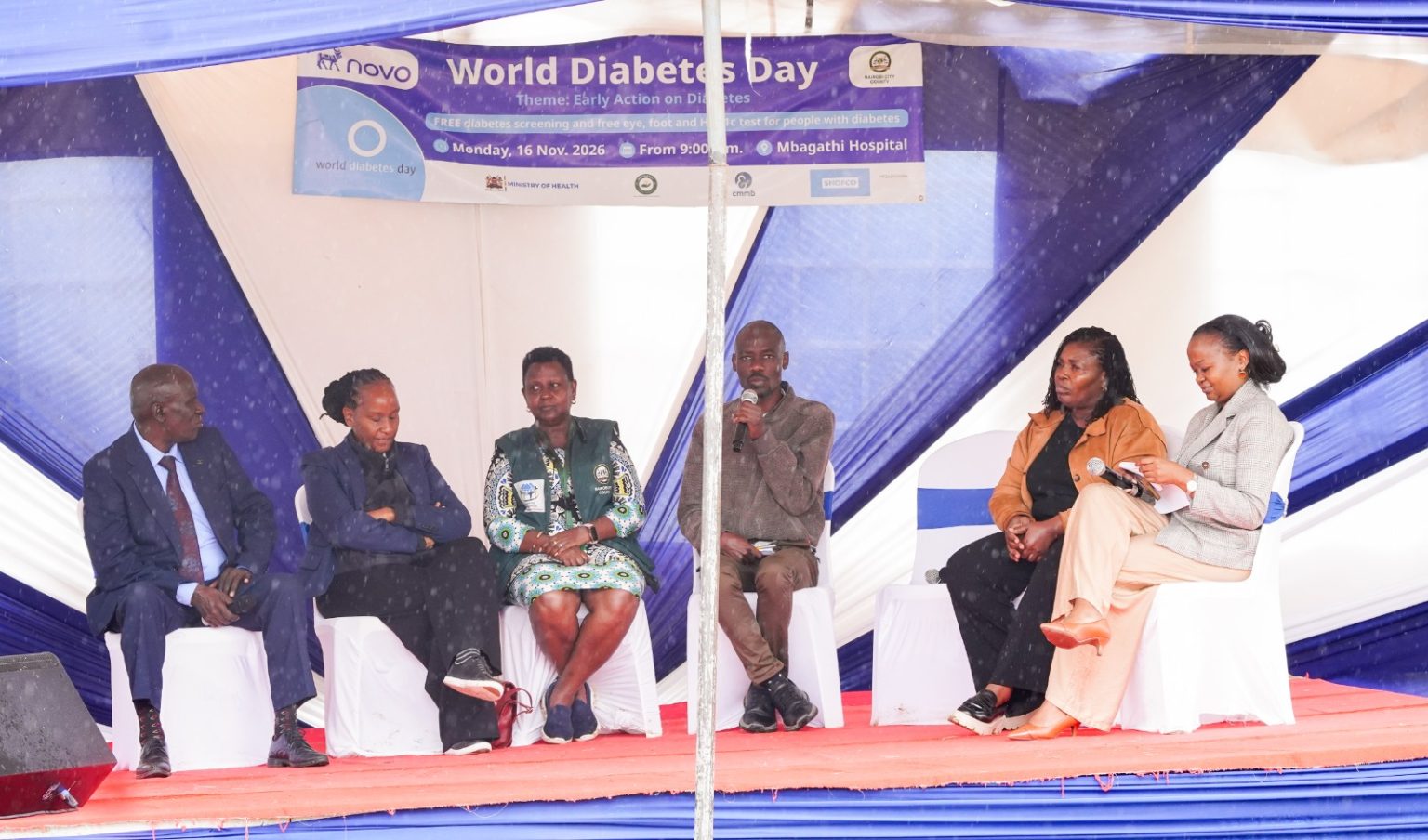
“When I used to eat a lot and drink a lot of water, my parents thought it was normal. Since we were many people in the house, they assumed I was eating more because there was little food to go around. They did not recognize these as signs of Type 1 diabetes,” said Omondi during the World Diabetes Day commemoration at Mbagathi Hospital.
For people living with diabetes, getting a diagnosis is only the beginning of a lifelong journey. Keeping the condition under control means taking medication regularly, attending clinic appointments and making changes to their diet. But these are not always easy when money is limited.
Omondi has to inject himself with insulin four times a day. He also carries sweets in his bag to help raise his blood sugar whenever it drops.
Caroline Moraa is another patient who has been living with Type 2 diabetes for the past three years. She says the cost of medication remains a recurring challenge. At times, she has to buy her medicine out of pocket, and when she cannot afford it, accessing the treatment she needs becomes difficult
“Sometimes I go and find that I don’t have the medicine. I have to buy it, but if I don’t have money, it becomes difficult,” she said, explaining that some of the medicines cost between Sh500 and Sh600.
Her experience reflects some of the challenges facing people living with diabetes in Kenya, where access to screening and treatment remains a concern, particularly for those from low-income households.
At Mbagathi Hospital in Nairobi, health workers and partners are trying to make diabetes services more accessible through an expanded clinic that now operates five days a week.
The facility marked World Diabetes Day by calling for greater awareness, early diagnosis and improved access to care, under the theme of early action on diabetes.
Jacob Mollerup, General Manager of Novo Nordisk Middle Africa, said the clinic had increased its capacity to serve patients since opening two months earlier.
“Before, they used to see people with diabetes once or twice every week. Now they can see them five times a week,” he said.
He said the expansion had reduced waiting times and created more opportunities for people to get screened, tested and receive follow-up care.
Mollerup urged people to take advantage of the services, noting that many residents were still unaware that the clinic had expanded its operating days.
According to the International Diabetes Federation, an estimated 800,000 people are living with diabetes in Kenya. Mollerup said about 400,000 of them were unaware of their condition.
“That’s a call to action to come to a place like Mbagathi or any other hospital, get screened, get tested and get some advice. If you have diabetes, you can get good care and begin your journey,” he said.
Dr Ericah Koima, the Medical Superintendent at Mbagathi Hospital, said the facility had registered more than 2,000 people living with diabetes and attends to an average of 250 to 300 patients every month.
She said patients previously received diabetes services only twice a week, but the expanded clinic now operates from Monday to Friday, including attending to patients who walk in without appointments.
The facility has specialists attending to patients daily, alongside testing, medication and health education services.
“Some come when they are very sick. But with the quality of care they receive here, we have specialists attending to them. We have seen our patients improve and their lives improve,” she said.
However, access to treatment remains a challenge for some patients, particularly those who struggle to afford medicines.
Koima said the hospital had previously experienced difficulties supplying insulin to people with Type 1 diabetes. However, with support from the Ministry of Health and partners, it was now providing insulin free of charge to patients under the age of 25.
She also encouraged patients to keep their appointments and follow medical advice rather than abandon prescribed treatment for herbal remedies.
The cost of living with diabetes
Dr Moses Owino, Nairobi City County’s Director of Medical Services, said diabetes is among the non-communicable diseases requiring stronger public health attention.
He said the condition could lead to serious complications, including stroke, kidney failure and heart disease, when blood sugar levels are not properly managed. Managing diabetes involves medication, health education and lifestyle changes, including regular physical activity and a balanced diet.
Dr Owino said screening is also important because some people may not recognize the symptoms of diabetes until the condition have progressed. “Common warning signs include excessive thirst, increased hunger, unexplained weight loss and frequent urination, including waking up several times at night to use the bathroom,” said Dr Owino
Nairobi has 119 functional hospitals, according to Owino, with several public facilities offering diabetes screening, laboratory tests, specialist care and medication. He adds that the county is also working to strengthen services at lower-level facilities so that patients could receive care closer to where they live rather than travelling to major hospitals.
“Community Health Promoters are expected to support these efforts by helping identify people who may need screening and directing them to health facilities,” Dr Owino said.
But expanding services is only part of the challenge. Patients must also be able to access the medicines and follow-up are they need over the long term.
Owino said the county is working to improve infrastructure, equipment, medicine supplies and the availability of health workers across its facilities. He also encouraged patients who encounter medicine shortages to report them through the county’s toll-free number, 1508.
Partnerships to improve access
Mollerup said Novo Nordisk has been working with the Ministry of Health, county governments and other partners to improve diabetes care in Kenya.
He said the company has supported the establishment of 92 centres for driving change across the country, working with public health institutions to strengthen the quality of care.
The company, which has been involved in diabetes treatment for more than a century, has also introduced newer medicines in Kenya while continuing to supply insulin used by people living with diabetes.
He also highlighted the different uses of some of the medicines available. Ozempic is approved for Type 2 diabetes, while Wegovy is approved for weight management in people living with obesity, he explained.
As Kenya marks World Diabetes Day, health workers say early diagnosis, regular treatment and lifestyle changes remain central to managing the condition.