



By Henry Neondo
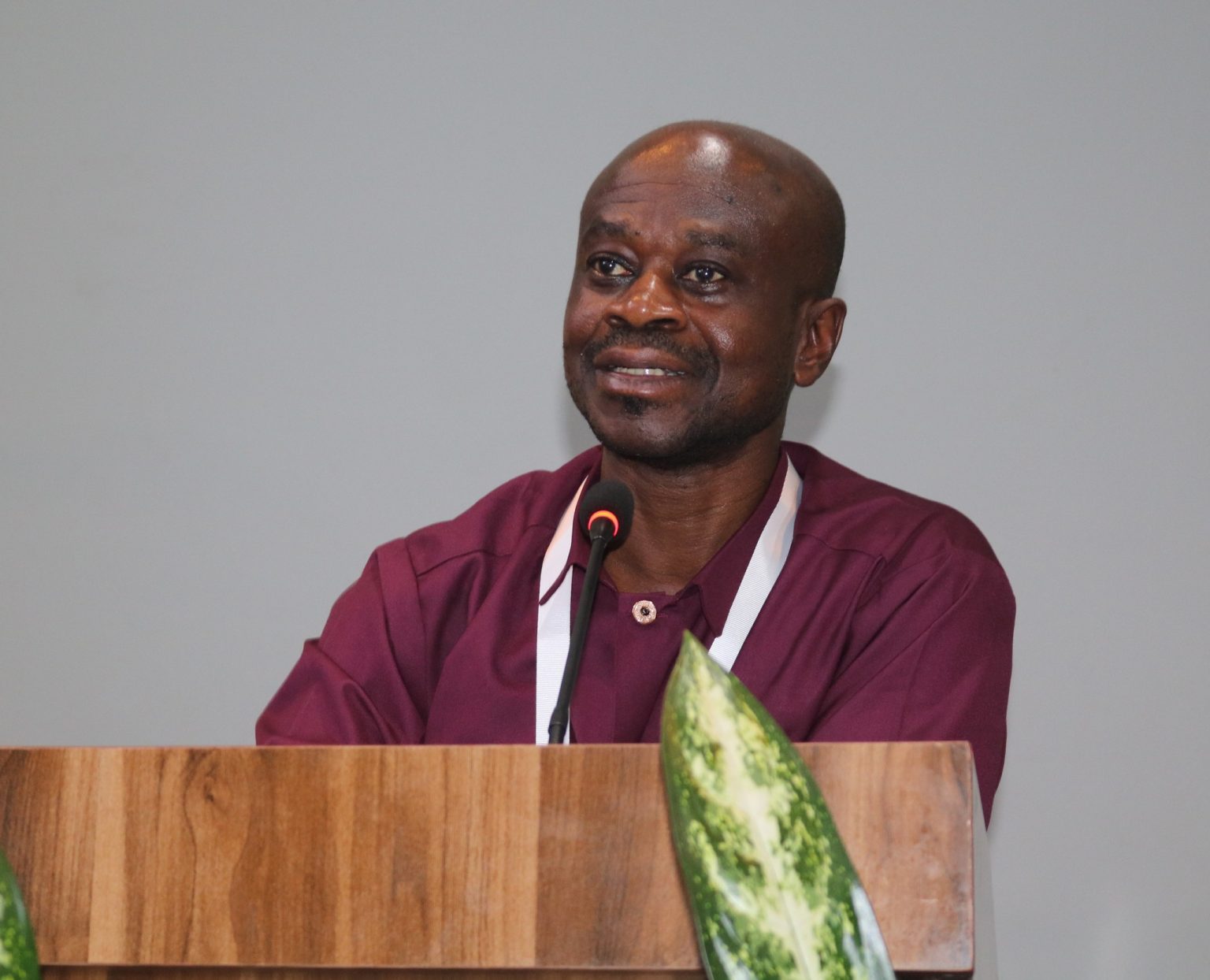
The Chair of the African Group of Negotiators on Climate Change (AGN), Nana Dr. Antwi-Boasiako Amoah, has called for urgent and practical action to strengthen climate adaptation efforts across the continent, warning that millions of Africans are already suffering the devastating effects of climate change.
Speaking remotely during the opening session of the Pan African Coalition for Adaptation and Resilience (PACAR 2026) Workshop in Athi River, Kenya, Dr. Amoah said Africa could no longer afford fragmented and underfunded adaptation responses while vulnerable communities continue to face recurring climate shocks.
The PACAR 2026 workshop has brought together climate experts, policymakers, negotiators, civil society organisations and development partners to discuss strategies for building resilience and advancing climate adaptation initiatives across Africa.
Dr. Amoah emphasised that climate adaptation must now move beyond declarations and pilot projects to concrete implementation that delivers measurable benefits to communities already grappling with droughts, floods, food insecurity and displacement.
“For Africa, this sequence must be treated not simply as a calendar of meetings, but as a pathway to move adaptation from recognition to implementation; from general commitments to measurable progress; and from fragmented pilot projects to scaled, financed and country-owned resilience programmes,” he stated.
He noted that although Africa contributes the least to global greenhouse gas emissions, the continent remains among the most vulnerable to the impacts of climate change.
According to Dr. Amoah, many African countries are already spending significant portions of their national budgets responding to climate-related disasters, leaving limited resources for development priorities such as healthcare, education and infrastructure.
The AGN Chair called on African governments and international development partners to prioritise adaptation financing and ensure climate funds are accessible to local communities that are often on the frontline of climate impacts. He stressed that resilience-building initiatives should be community-driven, inclusive and aligned with national development goals.
Dr. Amoah also urged African negotiators to maintain a united voice in global climate discussions ahead of upcoming international climate engagements, saying the continent must push for fair financing mechanisms and stronger commitments from developed countries.
Participants at the workshop are expected to deliberate on issues including climate finance, locally led adaptation, resilience-building strategies, early warning systems and strengthening collaboration between governments, civil society and the private sector.
Climate experts attending the meeting warned that without urgent investment in adaptation, Africa risks experiencing worsening food insecurity, water scarcity, loss of livelihoods and increased humanitarian crises. They noted that adaptation remains significantly underfunded globally despite growing evidence that climate impacts are intensifying across vulnerable regions.
The PACAR 2026 workshop comes at a time when African countries are increasingly seeking practical solutions to climate challenges while advocating for climate justice and equitable access to adaptation financing.
Organisers say the meeting is expected to produce recommendations that will help shape Africa’s adaptation agenda and strengthen the continent’s position in global climate negotiations.