




By Lenah Bosibori
Catholic leaders from across Eastern Africa have called for an urgent phase-out of fossil fuels, urging faith institutions to redirect investments toward renewable energy and climate-resilient development to protect vulnerable communities from the escalating impacts of climate change.
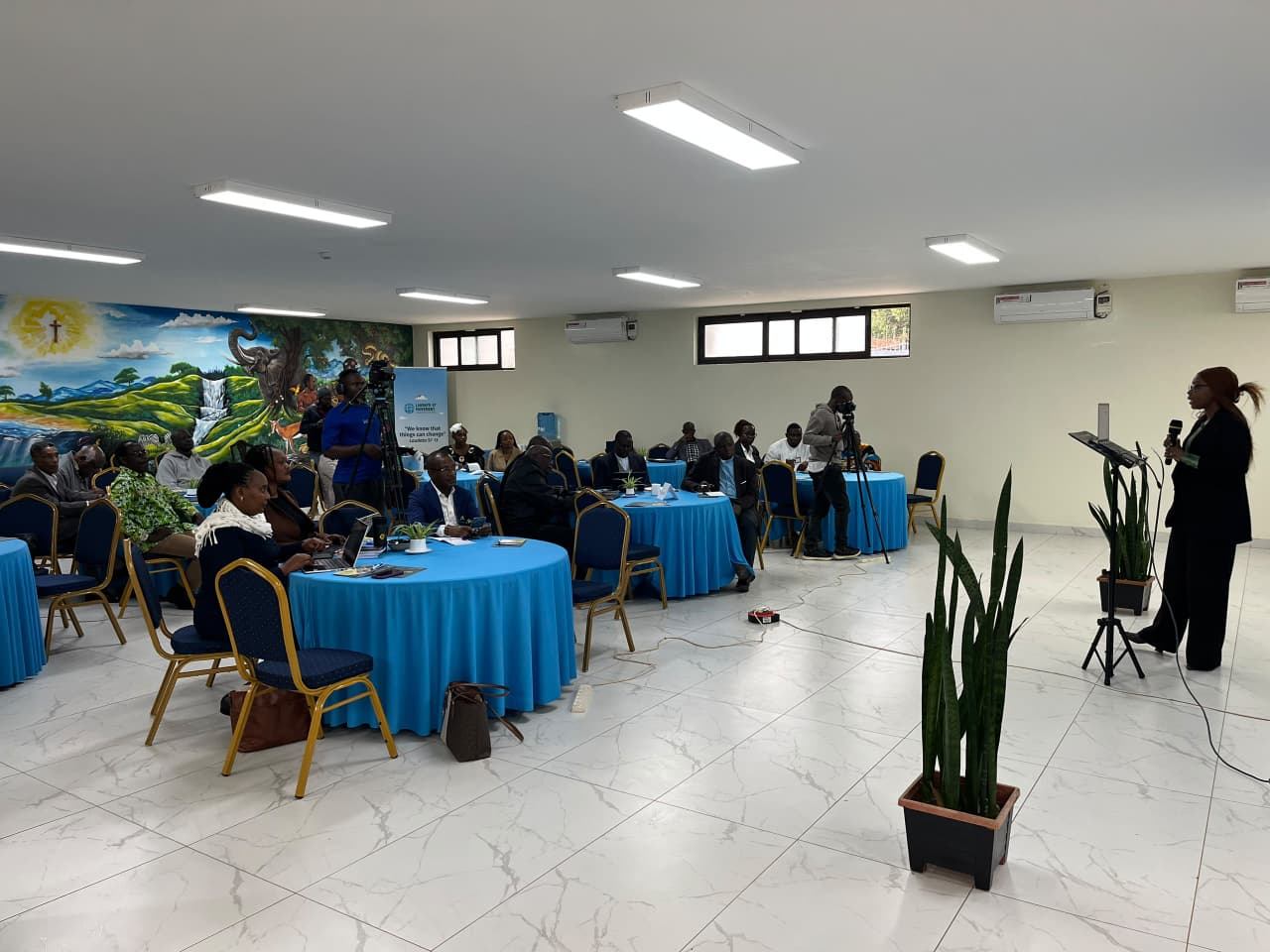
Speaking in Nairobi during a one-day dialogue on Ethical Investment for Catholics: A Strategic Convening for the Association of Member Episcopal Conferences in Eastern Africa (AMECEA), participants said that the has a moral responsibility to move away from investments that contribute to environmental degradation.
“The Church has a moral responsibility to move away from investments that contribute to environmental degradation and instead support renewable energy, community resilience, and sustainable development,” read part of the statement.
The dialogue brought together bishops, clergy, religious leaders, lay experts, and civil society partners to examine how Catholic institutions can align their financial decisions with faith, environmental stewardship, and social justice.
The meeting echoed Vatican appeals for the progressive replacement of highly polluting fossil fuels, emphasizing that Catholic institutions should avoid investing in companies and activities that harm people, communities, and the environment.
“No investment is morally neutral,” participants noted, stressing that Church resources should be managed in ways that advance the common good, uphold human dignity, protect creation, and promote integral human development.
The leaders said ethical investment is particularly significant in Eastern Africa, where decisions on energy, land, infrastructure, and finance have direct consequences for livelihoods, biodiversity, public health, energy access, and climate resilience.
Discussions also focused on the expansion of fossil fuel projects in the region, including concerns raised by communities affected by large-scale extractive developments such as the East African Crude Oil Pipeline (EACOP).
Testimonies from practitioners working alongside affected communities highlighted the impacts of land acquisition, environmental degradation, and the long-term consequences of carbon-intensive development.
Participants emphasized that ethical investment should go beyond divesting from fossil fuels and actively support renewable energy projects capable of creating jobs, expanding clean energy access, strengthening community resilience, and delivering a just energy transition.
They further called for climate finance to be redirected toward investments that protect both people and the environment, arguing that Catholic institutions have a unique opportunity to shape development pathways that are just, inclusive, and ecologically responsible.
The Nairobi gathering also reflected a growing global movement among Catholic and other faith-based institutions to review investment portfolios, adopt faith-consistent investment policies, and strengthen values-based stewardship.
Organized by Laudato Si’ Movement Africa and its partners, the convening also sought to deepen collaboration among bishops, Catholic institutions, and civil society organizations while advancing regional advocacy on renewable energy, climate justice, and ethical finance.
Participants concluded by calling for continued dialogue and stronger institutional commitments to ensure investment decisions contribute to a sustainable future for Eastern Africa.
“Ethical investment is a faith and justice issue for Eastern Africa. As Catholic institutions discern how to steward their resources, there is a growing moral imperative to phase out support for fossil fuels and direct finance toward renewable energy, community resilience, and development pathways that protect both people and creation,” the organizers said.
Laudato Si’ Movement is a global Catholic movement that works to translate Pope Francis’ encyclical Laudato Si’ into action by mobilizing Catholics worldwide to advance climate action, ecological justice, and care for the environment.