


Lenah Bosibori
b.lenah89@gmail.com
Kenya has lost 30 per cent of its local crop varieties over the past 20 years according to experts, raising concerns about the erosion of agricultural biodiversity and the country’s ability to safeguard food security amid climate change.
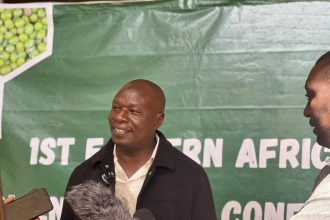
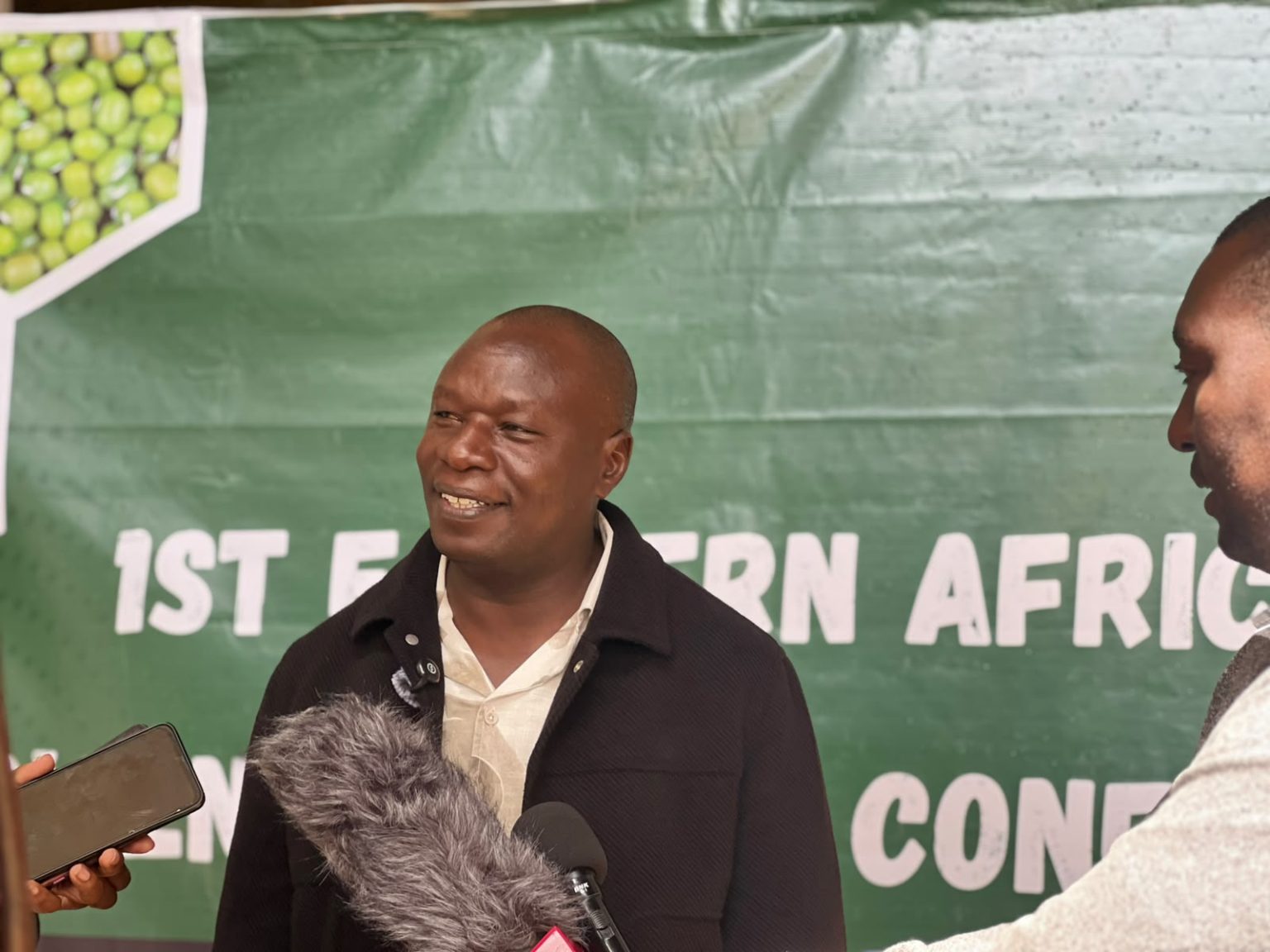
Daniel Wanjama, Director of Seed Savers Network, said indigenous seeds remain central to food production but are often overlooked in agricultural policies and increasingly threatened by commercialization and restrictions on traditional seed practices.
Speaking during the First Eastern Africa Indigenous Seed Conference in Nairobi, Wanjama said about 80 per cent of the seeds used to grow food come from farmer managed seed systems, yet these systems receive limited recognition and protection.
“We cannot survive climate change without our agricultural biodiversity,” he said, calling for policies that recognize farmers’ rights to save, use and exchange indigenous seeds.
He said Kenya’s dependence on imported seeds is also growing, with the country importing up to 97 per cent of its vegetable seeds and more than 70 per cent of its maize seeds, according to figures he cited.
Wanjama warned that continued reliance on foreign seed suppliers could leave farmers vulnerable to shortages and rising costs, while also limiting their ability to access seeds suited to local growing conditions.
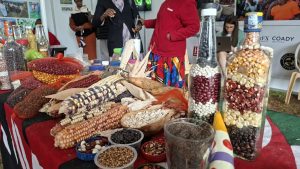 He further raised concerns about the loss of indigenous varieties through biopiracy and the absence of a clear legal framework to protect farmer managed seed systems. He referred to a High Court judgment in Machakos that declared provisions of the Seed and Plant Varieties Act unconstitutional, arguing that Kenya needed a new law that recognizes farmers’ traditional practices.
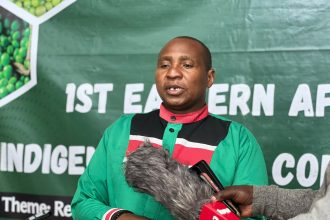
Katrin Foss, Director of the Rosa Luxemburg Foundation’s East Africa Office, said indigenous seeds had sustained communities for generations because they were adapted to local climates and farming conditions.
She warned that industrial agriculture and restrictive seed laws were undermining farmers’ ability to save and exchange seeds, leaving them increasingly dependent on commercial varieties.
“Having indigenous seeds is the baseline, the ground to secure food security, but also food sovereignty,” she said.
Foss called on donors to increase support for indigenous food systems and natural methods of production, saying farmers needed access to land, government support and the freedom to exchange seeds.
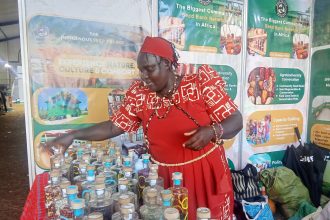
The conference brought together farmers, researchers, policymakers, seed custodians and community organizations to discuss indigenous seeds and food sovereignty under the theme, “Realising the Right to Food through Seed Sovereignty.”