



ASNS, Antalya, Türkiye – The COP31 Presidency has launched a global initiative to accelerate the electrification of transport, buildings and industry, setting an ambitious target of increasing electricity’s share of global final energy consumption from approximately 23 per cent today to 35 per cent by 2035.
The Global Electrification Pledge, unveiled at the UN Climate Summit in Antalya, Türkiye, seeks to position electricity at the centre of the global energy transition, linking wider electrification with energy security, affordable energy, industrial growth and emissions reduction.
Dubbed the beginning of an “age of electricity”, the 35-by-35 target draws on analysis by the International Energy Agency (IEA) and the International Renewable Energy Agency (IRENA), which identifies accelerated electrification as essential to keeping global warming within the 1.5°C limit.
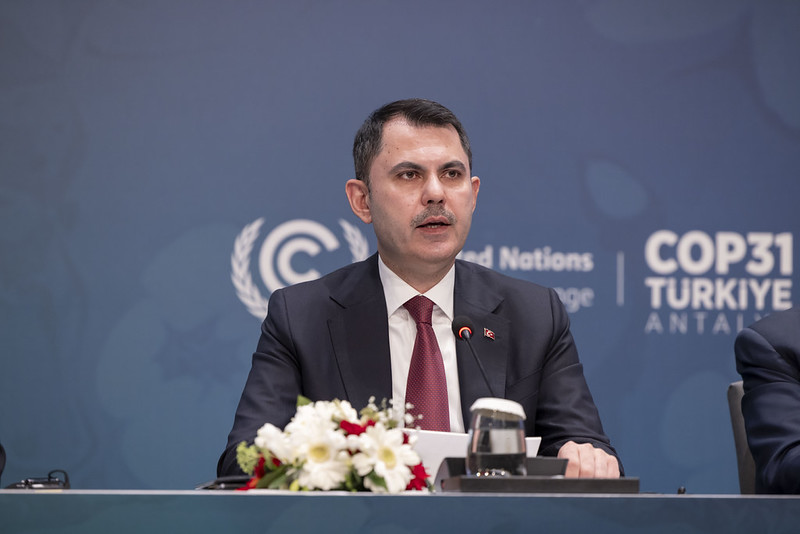
COP31 President Murat Kurum said the recent energy crisis had exposed the vulnerabilities of countries dependent on imported fossil fuels and strengthened the case for accelerating electrification.
He argued that a clear global target would help governments, businesses and investors coordinate efforts to reduce emissions while strengthening energy independence and economic growth.
However, achieving the target will require more than replacing fossil-fuel technologies with electric alternatives. It will depend on expanding renewable electricity generation, modernising power grids, investing in energy storage and mobilising substantial financing, particularly in developing economies.
COP31 President of Negotiations Chris Bowen emphasised that electrification must be supported by practical implementation pathways, investment and infrastructure. He noted that clean electricity, stronger grids and storage systems could improve energy access while reducing emissions across households, transport and industrial sectors.
To coordinate these efforts, the COP31 Presidency and the European Union are convening the first Electrification Forum, which is expected to continue beyond the summit as a regular platform for governments, financial institutions, businesses and energy-sector stakeholders.
The IEA will provide technical support through a Global Electrification Tracking Mechanism to monitor progress at global and regional levels. Meanwhile, IRENA will lead the Enabling Distribution Grids for Electrification (D-GRIDS) programme, helping developing countries identify infrastructure investment needs, prepare viable projects and access financing.
The initiative is particularly significant for developing economies, where inadequate electricity infrastructure remains a major obstacle to industrialisation, productive enterprise and universal energy access.
In a related development, the Utilities for Net Zero Alliance (UNEZA) announced an increase in its annual investment commitment for electricity grids, renewable energy and storage from $148 billion to $156 billion.
The COP31 Presidency is also establishing the Electrify Now Finance Coalition, bringing together governments, development banks and private financiers to mobilise resources for electrification in emerging and developing economies. The World Bank and African Development Bank are expected to serve as its inaugural co-chairs in 2027.
For Africa, where electricity access, affordability and infrastructure deficits remain major development challenges, the initiative presents both an opportunity and a financing test. Accelerated electrification could support manufacturing, expand clean cooking solutions, improve transport systems and create employment. However, realising these benefits will require investments that address the continent’s uneven electricity distribution networks and limited access to affordable capital.
A new report, The Electrification Opportunity, developed by Sustainable Energy for All in collaboration with Türkiye and Australia, examines the challenges and opportunities of electrification for emerging markets and developing economies.
The COP31 Presidency is further advancing a Global Green Freight Corridors Initiative with the International Transport Forum to promote cleaner and more resilient freight transport systems.
Business participation is also growing. The We Mean Business Coalition has mobilised more than 180 companies, including Volvo, Uber, IKEA and Siemens, representing over $1.69 trillion in annual revenue, in support of accelerated electrification.
The Global Renewables Alliance has meanwhile called on governments to develop credible national electrification plans that give businesses confidence to invest in renewable-powered transport, buildings and industry.
As COP31 continues, the central challenge will be translating the 35-by-35 ambition into measurable national commitments, infrastructure investments and affordable electricity for communities.
For developing countries, particularly across Africa, the success of the proposed electricity transition will ultimately depend not simply on how much electricity the world consumes, but on whether clean, reliable and affordable power reaches the people and businesses that need it most.