



ANTALYA, Türkiye –The United Kingdom has announced a $25 million investment to support seven additional countries joining the Super Pollutant Country Action Accelerator, including Ethiopia and Côte d’Ivoire.
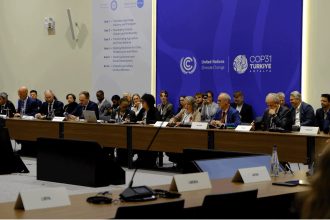
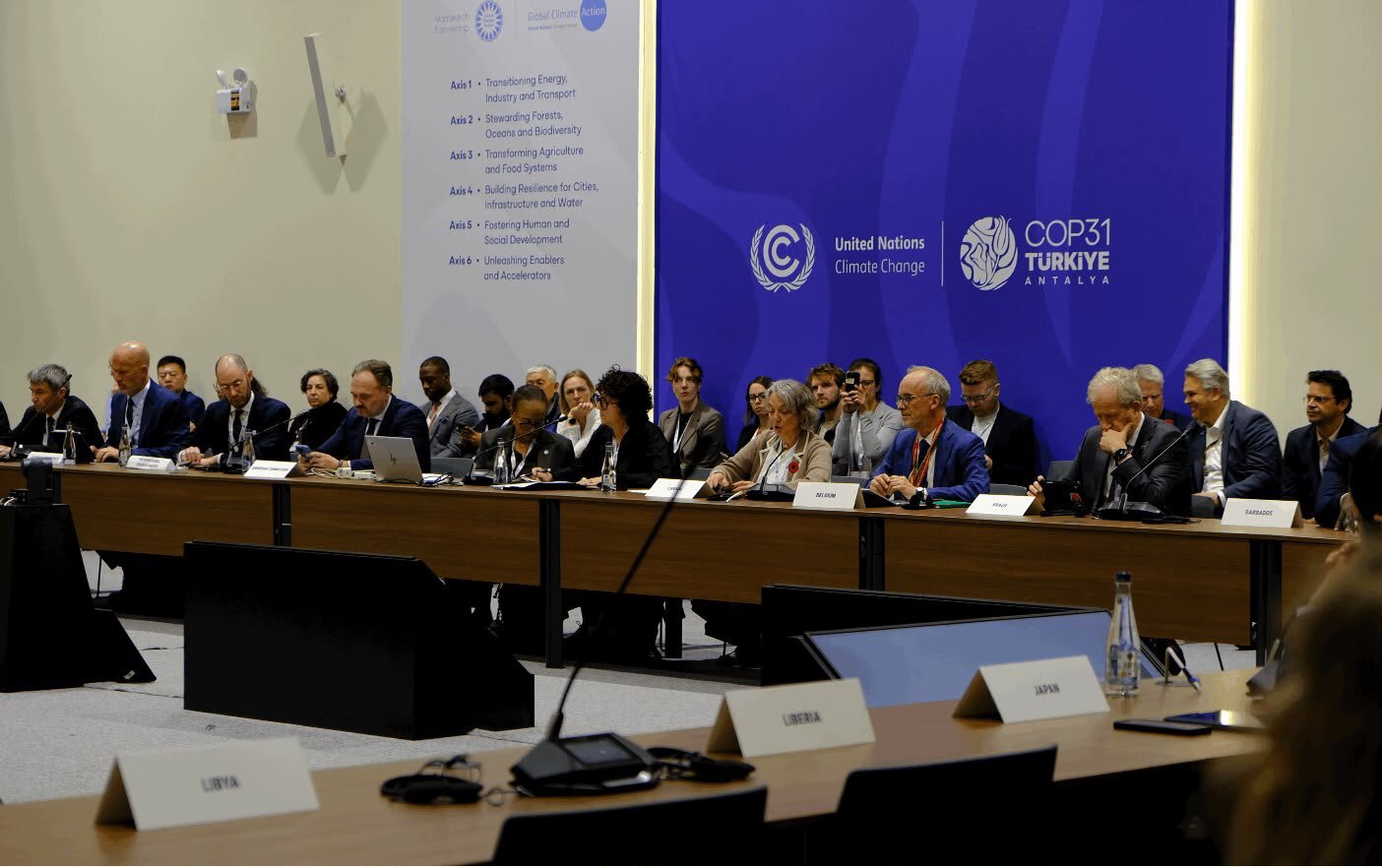
Making the announcement at a high-level meeting at COP31 taking place in Antalya, Turkey, a representative from the UK supported calls by other government representatives, international institutions and climate foundations and philanthropic organisations in calling for stronger regulations, increased financing and accelerated action to reduce methane and other super pollutants, warning that cutting these emissions is among the fastest ways to slow global warming and limit the overshoot of the 1.5°C temperature threshold.
The discussions placed particular emphasis on emissions from the oil and gas, agriculture and waste sectors, while highlighting emerging concerns over powerful greenhouse gases used in electricity infrastructure.
A central message was that voluntary commitments are no longer sufficient and must give way to enforceable regulations and adequately financed action.
Speaking at the meeting, leaders argued that methane reduction offers an opportunity to deliver immediate climate benefits while improving energy efficiency, public health, food security and economic productivity.
The International Energy Agency (IEA) estimates that at least 75 per cent of methane emissions from oil and gas operations could be eliminated using existing technologies, with more than 60 per cent of these reductions achievable at no net cost.
IEA Executive Director Fatih Birol said approximately 200 billion cubic metres of natural gas could be recovered annually through relatively straightforward interventions, including repairing leaking pipelines and preventing gas flaring.
He urged governments to translate climate policies into enforceable regulations, particularly in developing countries where technical and institutional capacity remains limited.
Norway’s Minister of Climate and Environment, Sigrun Gjerløw Aasland, pointed to her country’s experience, noting that global oil and gas methane emissions could fall by approximately 90 per cent if producers achieved Norway’s methane emission intensity.
She called for greater international cooperation to strengthen monitoring systems, regulatory frameworks and technical expertise.
The meeting also highlighted the economic opportunities associated with methane mitigation. World Bank President Ajay Banga reported that the institution had expanded its country-led methane reduction programmes from an initial 15 to 45 countries.
Its interventions are targeting an estimated 11 million tonnes of methane reductions while benefiting more than 160 million people.
Examples include improved livestock practices in Brazil, which increased milk yields on small family farms by 10 per cent while reducing emissions by six per cent. In Uzbekistan, repairing gas leaks has reduced methane emissions by approximately 32,000 tonnes annually.
Agriculture, however, remains politically sensitive. Speakers cautioned against transferring the financial burden of transitioning to lower-emission farming practices onto smallholder farmers. Instead, they called for international climate finance, national government support and philanthropic investment to facilitate the transition.
A major announcement came from philanthropic organisations, which pledged more than $480 million to accelerate action on methane and other super pollutants. The funding will support interventions across energy, agriculture and waste management, alongside initiatives targeting black carbon, cleaner cooking, transport and cooling technologies.
The discussions also broadened the climate agenda to include sulphur hexafluoride (SF6), an extremely potent greenhouse gas used in electricity transmission equipment. The European Union announced plans to launch a global collaborative process and a pledge to address rising SF6 emissions as electricity grids expand.
Brazil’s climate change leadership reiterated that methane reduction must complement, rather than replace, deep cuts in carbon dioxide emissions. The country called for methane reductions of at least 25 per cent by 2035 and 40 per cent by 2040, in line with scientific recommendations.
As COP31 advances its implementation agenda, leaders stressed that the priority must shift from declarations to measurable results, supported by enforceable policies, accessible finance and international cooperation.
The emerging consensus is that methane reduction represents an immediate opportunity to slow warming while delivering tangible economic and health benefits. The challenge now is whether governments will muster the political will to turn that opportunity into action.