


By Henry Neondo
ANTALYA, Türkiye, November 12, 2026 – Climate justice campaigners have warned that growing efforts to promote carbon dioxide removal, marine geoengineering and nuclear energy at the COP31 climate negotiations risk diverting attention from urgent emissions reductions and deepening the exploitation of communities in the Global South.
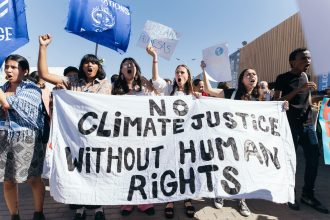
Speaking during a press conference organised by members of the Global Campaign to Demand Climate Justice (DCJ) at COP31 in Antalya, Türkiye, representatives of civil society organisations accused wealthy nations and corporate interests of promoting unproven and potentially harmful technologies as alternatives to meaningful climate action.
The campaigners argued that the growing emphasis on managing global warming beyond the 1.5°C threshold, commonly referred to as climate overshoot, could provide an excuse for major historical polluters to delay cutting greenhouse gas emissions while shifting the burden of climate action onto vulnerable communities.
They identified four areas of concern: carbon dioxide removal (CDR), marine geoengineering, nuclear energy and the broader promotion of technological interventions presented as climate solutions.
According to the campaigners, these approaches risk creating new opportunities for resource extraction, land and ocean appropriation, environmental degradation and the displacement of communities.
Carbon removal risks delaying real climate action
Kwame Ponzo, representing the Global Forest Coalition, argued that carbon dioxide removal mechanisms were being advanced by developed countries as a way of continuing to pollute rather than fulfilling their obligations to reduce emissions.
He maintained that the Global South should not bear responsibility for a climate crisis largely driven by historical emissions from industrialised nations.
Ponzo also raised concerns about proposals to introduce marine carbon dioxide removal technologies, warning that interventions in ocean ecosystems could threaten coastal communities and fishing livelihoods.
“For centuries, fisherfolk and coastal communities have developed a good relationship with the ocean and know how to preserve their livelihoods. Our ocean is not for sale,” he said.
He described carbon removal projects as another form of exploitation of nature and communities, arguing that they could create new forms of colonialism while undermining community-centred climate responses.
The Global Forest Coalition representative called for an accelerated phase-out of fossil fuels and a shift towards development models that prioritise people and ecosystems over corporate profits.
Campaigners question COP31’s ‘overshoot’ narrative
A representative of the Center for International Environmental Law (CIEL) cautioned that COP31 could become what she described as the “overshoot COP”, warning against the growing acceptance of climate pathways that allow temperatures to exceed 1.5°C before attempting to bring them down through carbon removal technologies.
She argued that such scenarios depend heavily on technologies that have not been demonstrated at the scale required to meaningfully reverse global warming.
According to the representative, relying on future carbon removal technologies could weaken the urgency of immediate emissions reductions and delay a just transition away from fossil fuels.
She further warned that large-scale deployment could have unpredictable consequences for ecosystems, biodiversity and the rights of communities, particularly in the Global South.
The CIEL representative also recalled the long-standing moratorium under the Convention on Biological Diversity concerning certain geoengineering activities, citing the potential risks to biodiversity.
She expressed concern about attempts to introduce language on overshoot and carbon dioxide removal into the COP31 cover decision, arguing that this could legitimise further delays in climate action and accountability.
With COP31 also being promoted as the ‘Ocean COP’, she warned that initiatives presented under broad labels such as ‘ocean climate solutions’ and ‘ocean climate technologies’ could open the door to speculative marine geoengineering interventions.
She stressed that protecting the ocean requires addressing warming, sea-level rise, offshore oil and gas extraction and associated loss and damage rather than introducing potentially harmful technological experiments.
“The best chance we have of protecting the ocean is to halt offshore oil and gas extraction,” she said.
Nuclear energy raises environmental and safety concerns
The press conference also challenged the growing promotion of nuclear energy as a low-carbon solution to the climate crisis.
A representative of Friends of the Earth India argued that describing nuclear energy as a zero-carbon technology overlooks emissions and environmental impacts across the entire nuclear fuel cycle, from uranium mining and enrichment to reactor construction, operation and waste management.
She noted that constructing nuclear power plants requires substantial energy and materials, creating significant upfront emissions at a time when the world needs immediate and substantial reductions in greenhouse gas emissions.
The representative also highlighted concerns about nuclear waste, particularly plutonium-239, which has a half-life of approximately 24,100 years, raising questions about the responsibility of managing radioactive materials over extremely long periods.
Water consumption was another major concern. She argued that nuclear power generation is highly water-intensive and could intensify pressure on freshwater resources, particularly as climate change increasingly disrupts hydrological systems.
She called on governments to prioritise solar, wind and geothermal energy, alongside decentralised renewable energy systems, instead of expanding nuclear power infrastructure.
Responding to a question about the relationship between civilian nuclear energy and nuclear weapons, she warned that the nuclear fuel cycle could also raise proliferation concerns because plutonium produced in some reactors can be used in nuclear weapons.
She urged greater international cooperation among anti-nuclear movements to challenge the expansion of nuclear energy.
Communities already have climate solutions
Jax Bongon of Ebon International, representing the Philippines and a member of the Global Campaign to Demand Climate Justice, challenged the assumption that communities must wait for governments and technological innovations to deliver climate solutions.
He argued that indigenous peoples and frontline communities have developed practical approaches to environmental protection and sustainable livelihoods over generations, long before international climate negotiations began.
These include community-managed forests, collective cultivation of land, protection of water resources, preservation of ancestral territories, seed banking and locally organised food networks.
Bongon said these practices represent a different development model based on ecological balance, collective ownership and community control over natural resources.
He argued that such approaches remain marginalised in international climate negotiations because they challenge existing concentrations of economic and political power.
He also linked the climate crisis to militarisation, geopolitical competition and the extraction of critical minerals, warning that resources that could support communities and ecosystem restoration are increasingly directed towards military expansion and weapons production.
For Bongon, climate justice cannot be achieved without addressing the political and economic structures that facilitate resource exploitation and dispossession.
He called on wealthy nations to provide adequate, accessible and unconditional public climate finance while redirecting resources away from speculative technologies and military expansion towards community-led climate solutions.
AI data centres and the return of fossil fuels
The discussion also highlighted emerging concerns about the relationship between artificial intelligence infrastructure, energy consumption and the promotion of carbon removal technologies.
Responding to a question about the connection between false climate solutions and artificial intelligence data centres, the CIEL representative said the growing energy requirements of hyperscale data centres could undermine efforts to decarbonise electricity systems.
She argued that the expansion of energy-intensive AI infrastructure could increase dependence on fossil fuels while creating additional demand for technologies such as carbon capture and carbon dioxide removal to offset associated emissions.
The Friends of the Earth India representative added that the expansion of AI data centres was already contributing to renewed interest in fossil fuel power generation.
A call for accountability and community-led climate justice
The campaigners called on COP31 negotiators to resist attempts to institutionalise technological interventions that could distract from the fundamental responsibility of governments and corporations to reduce emissions.
Their demands included a rapid phase-out of fossil fuels, an end to offshore oil and gas extraction, stronger protection of biodiversity and community territories, and the provision of adequate climate finance by wealthy countries.
They further insisted that indigenous knowledge, community-managed ecosystems and decentralised renewable energy systems must be recognised as central components of climate action.
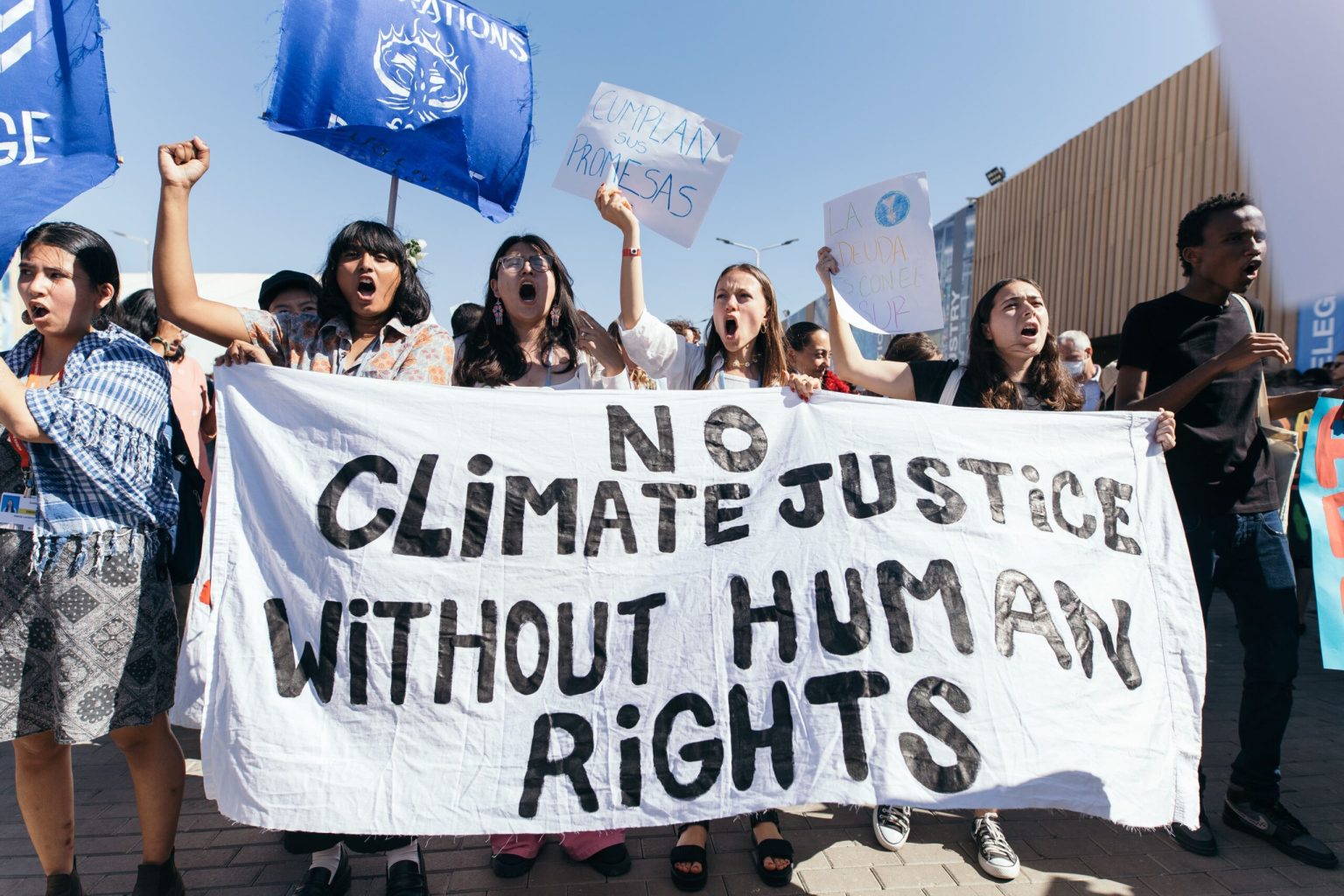
The central message from the press conference was that the climate crisis cannot be resolved by technologies that reproduce the same extractive economic arrangements responsible for environmental destruction.
As negotiations continue in Antalya, the campaigners are challenging governments to move beyond promises and technological optimism towards accountability, emissions reductions and climate solutions rooted in the rights and experiences of frontline communities.
For Africa and other vulnerable regions, the debate raises a fundamental question: will COP31 advance climate justice by addressing the causes of the crisis, or create new technological pathways that allow historical polluters to evade responsibility?