




By Lenah Bosibori
Delayed referrals, long distances to hospitals and limited awareness of pregnancy danger signs remain major contributors to maternal deaths in Kenya, health experts have warned.
Dr Edward Serem, head of the Division of Reproductive and Maternal Health at the Ministry of Health, said many maternal deaths are recorded after women arrive at health facilities too late to receive life-saving treatment.
“When we analyze why mothers die, the main contributors are lack of knowledge and delayed referrals,” Dr Serem said. “Some women are referred from dispensaries to Level Four hospitals, but the distance and lack of ambulances become major challenges.”
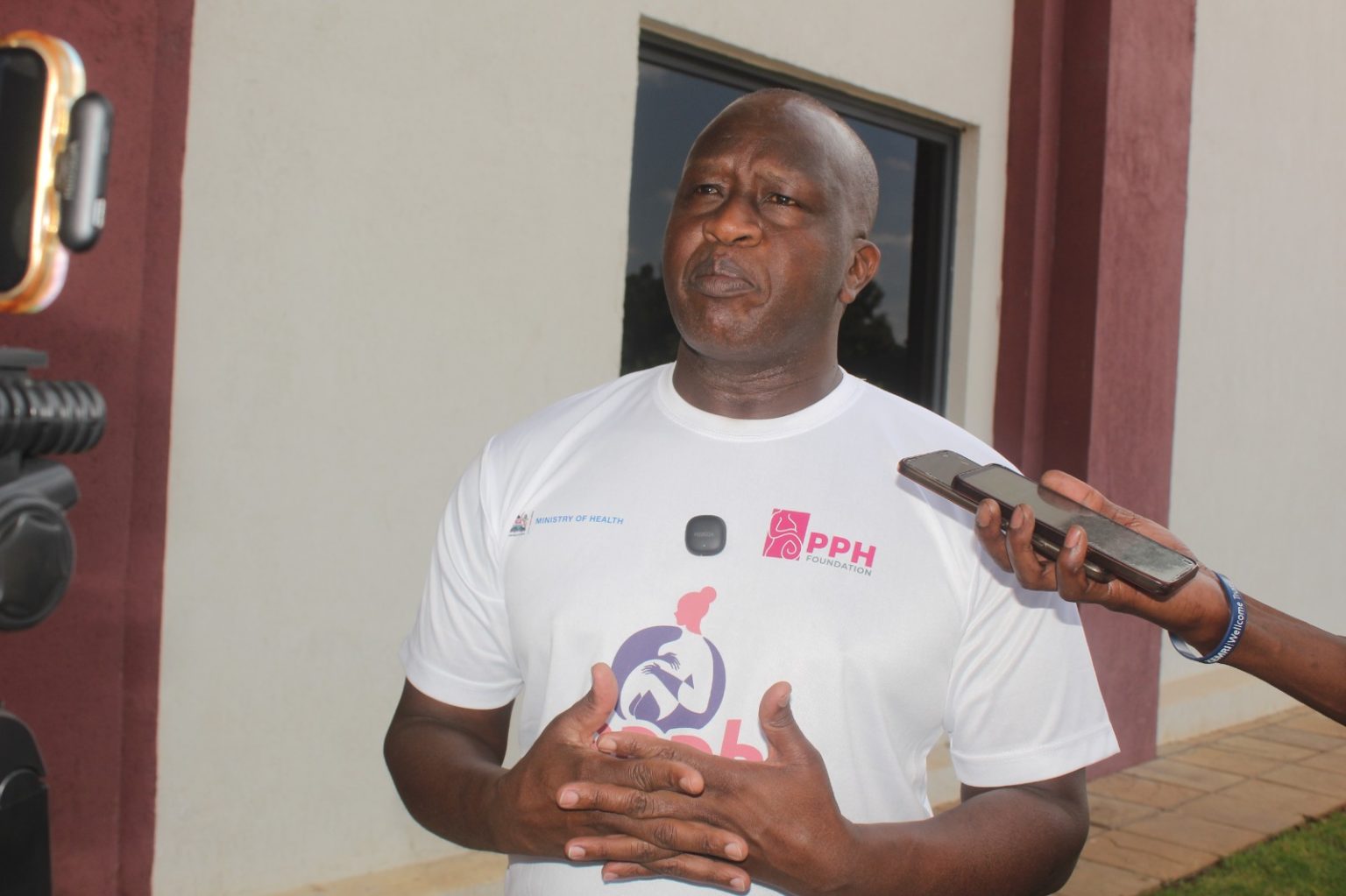
He spoke during the third End Postpartum Hemorrhage Run, held across 26 counties to raise awareness about excessive bleeding after childbirth. Postpartum hemorrhage, commonly known as PPH, is one of the leading causes of maternal mortality in Kenya.
It occurs when a woman experiences excessive bleeding after giving birth and can quickly become fatal without prompt medical intervention. Kenya records approximately 1.2 million pregnancies annually. According to Dr Serem, between 1,000 and 1,500 women die every year from pregnancy- and childbirth-related complications.
He said the awareness campaign targets the entire population, including women, men, children and community leaders because preventing maternal deaths requires collective action. “The run is meant to sensitize everyone,” he said. We need the entire community to understand postpartum hemorrhage and the importance of responding quickly when complications occur.”
Skilled delivery key to saving mothers
The Ministry of Health is implementing several measures to reduce deaths caused by PPH and other pregnancy complications, including hypertension and obstructed labour.
Among them is Every Woman, Every Newborn, Everywhere (EWENE) initiative, which seeks to bring healthcare workers, communities and other partners together to improve maternal and newborn health.
Dr Serem said the ministry is prioritizing the recruitment and training of healthcare workers, improving infrastructure and equipping facilities to provide quality maternity care. He urged pregnant women to attend antenatal clinics and deliver in health facilities under the care of skilled health professionals.
“Antenatal care is critical. Every pregnant woman should attend the recommended clinics and deliver in a health facility where she can be assisted by a skilled healthcare worker,” he said.
According to Dr Serem, about 635 health facilities have received medical equipment intended to improve the quality of care. The ministry is also working with partners and the Kenya Medical Supplies Authority to ensure facilities have essential life-saving medicines and supplies.
More than 100,000 community health promoters have also been deployed to identify pregnant women, remind them to attend clinics and facilitate referrals to health facilities.
The government is additionally strengthening digital health systems to obtain real-time information on pregnancies, referrals and maternal deaths. Community health promoters use tablets connected to the electronic Community Health Information System (CHIS), enabling information collected locally to reach national health databases.
Blood shortages remain a concern
 Access to safe blood remains essential in treating women who suffer excessive bleeding after delivery. Dr Serem said the Ministry of Health has 11 regional blood banks tasked with recruiting donors, processing donated blood and distributing it to health facilities.
He added that the blood transfusion programme had received about Sh1 billion during the current financial year to strengthen blood availability.
Professor Moses Obimbo, the project lead for the End PPH initiative’s Run for Her campaign, said blood shortages continue to cost mothers their lives. “Out of every 10 women who die from postpartum hemorrhage, four die because they lack blood,” Prof Obimbo said.
The campaign has introduced a roaming blood-donation programme that takes donation services closer to communities. Organizers hope to collect more than 2,000 units of blood for distribution to hospitals.
Prof Obimbo said the Kenyan campaign was part of a wider movement involving 13 African countries and solidarity runs in other parts of the world. “We cannot continue standing still when mothers are dying from preventable causes,” he said.
Most PPH cases are preventable
Maternal-health specialist Prof Ann Beatrice Kihara said PPH is largely preventable when risks are identified early, and women receive timely treatment. She called for greater investment in care before conception, early antenatal attendance, proper nutrition and the management of conditions that can cause anaemia.
“Diseases and conditions such as malaria, tuberculosis, HIV, intestinal worms and poor nutrition can leave women anaemic and increase their vulnerability to severe bleeding during childbirth,” said Prof Kihara.
Prof Kihara also encouraged women to allow their bodies sufficient time to recover between pregnancies, recommending an interval of about 24 months. “PPH is about 80 per cent preventable, but the mother must reach a properly equipped health facility in time,” she said.
She added that maternal deaths often result from failures at different stages: delays in recognizing danger signs, difficulties obtaining transport and financial support, and delays in receiving appropriate treatment after reaching a hospital.
Common pregnancy danger signs include bleeding, reduced movement of the baby and symptoms of infection. Women experiencing such warning signs should seek medical attention immediately.
Prof Obimbo said improving knowledge alone would not be enough unless healthcare workers also acquired the practical skills required to manage emergencies. He called for frequent emergency simulations in maternity and newborn units, similar to the drills conducted in aviation and the military.
“In medicine, we often wait until an emergency occurs before responding. Healthcare workers must continuously practice and prepare for emergencies,” he said.
The initiative is using virtual-reality simulations, gamification and remote mentorship to help maternity and newborn healthcare workers improve their emergency-response skills.
Health experts said stronger referral systems, functional ambulances, adequate blood supplies, skilled personnel and better public awareness could prevent women from dying while giving birth.
b.lenah89@gmail.com