



By Henry Neondo
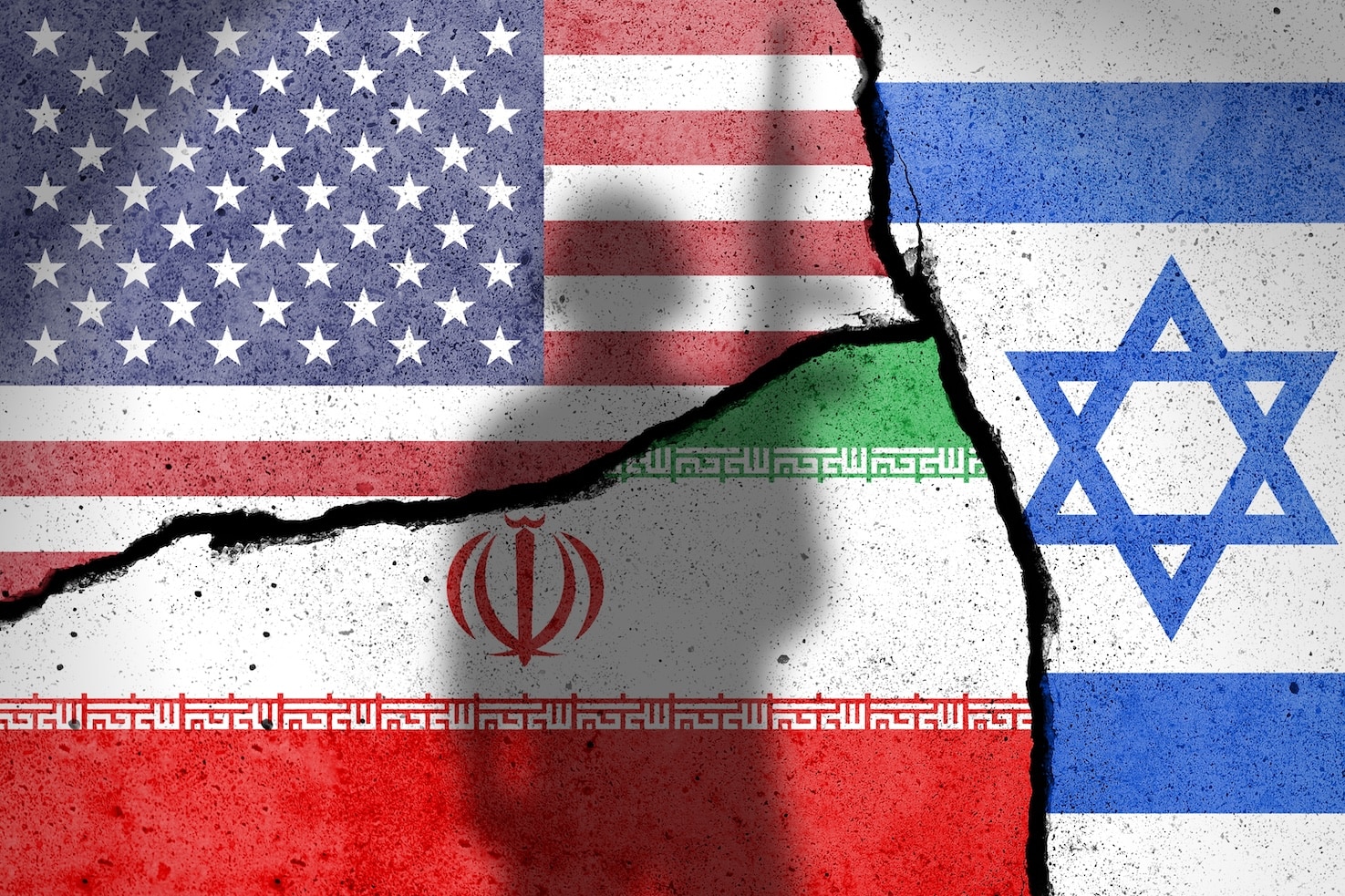
As the conflict between the United States, Israel, and Iran escalates, the repercussions extend far beyond geopolitics and human tragedy. This war, now destabilizing vital global energy routes, is already reshaping economies, markets, and international policy priorities — with profound consequences for the global fight against climate change.
Almost immediately, the conflict has rattled global energy markets. Key waterways such as the Strait of Hormuz, through which roughly one-fifth of the world’s oil and liquefied natural gas (LNG) flows, have seen ship movements dramatically curtailed by attacks and rising insurer costs, triggering sharp spikes in oil prices and lingering market volatility.
Short-Term Energy Shocks, Long-Term Climate Setbacks
Escalating military operations tend to divert political attention and capital toward immediate security concerns, and away from long-term challenges like climate change. With global oil prices surging amid fears of supply disruption, many powerful economies are pivoting back toward fossil fuels to stabilize prices and secure energy supplies. This type of reaction, seen once again in 2026, risks locking in higher carbon emissions and slowing decarbonization pathways that were only just gaining momentum.
In the past, global climate forums and agreements depended on cooperative diplomacy and enablement of multilateral progress. When conflict dominates diplomatic channels, opportunities for consensus on critical climate issues — from carbon pricing to adaptation financing and loss and damage — are diminished. Diverted attention can weaken global commitments when unity is most essential.
Economic Strain, Food Insecurity, and African Vulnerability
Higher oil prices don’t only affect energy bills in New York or Paris — they ripple across the world, driving up costs in transportation, agriculture, and basic goods. For many African countries already struggling with food insecurity and economic instability, this spells deeper poverty, higher inflation, and reduced fiscal space to invest in climate adaptation and renewable energy transitions. The conflict isn’t just distant warfare; it’s fueling global economic shocks that compound climate vulnerability in regions least responsible for global emissions.
Moreover, disruptions in shipping lanes have forced many vessels to reroute around Africa’s Cape of Good Hope — adding weeks to journeys, increasing fuel consumption, and spiking carbon emissions. These changes represent a clear example of how geopolitical instability can perversely raise emissions right as the world must urgently cut them.
War and Environmental Damage: A Double Burden
War itself contributes directly to environmental degradation. Past conflicts in the Middle East have generated millions of tonnes of greenhouse gases, destroyed ecosystems, and poisoned water supplies — all while eroding the resilience communities need to withstand climate impacts. Studies of earlier conflicts showed that military actions, including bombings, produce emissions equivalent to burning tens of thousands of tonnes of coal in just weeks — a stark reminder that war is not carbon-neutral.
Demanding a Shift in Priorities
For Africa, where climate change is not an abstract future threat but a lived reality — manifesting as droughts, floods, and crop failures — the global climate agenda cannot be relegated to the back pages of geopolitical reporting. Our nations have championed ambitious climate goals, from renewable energy scale-ups to adaptation strategies tailored to vulnerable communities. But we cannot achieve these in isolation; international cooperation must hold fast in times of crisis.
The war in the Middle East — and the way it has already diverted political energy, strained economies, and raised emissions — demonstrates how interconnected our world is. Climate change is not a single-issue problem that can be parked when geopolitics flare. Its solution requires sustained global focus, diplomatic commitment, and investments that reach even the communities most far-flung from the theaters of war.
The African Coalition of Communities Responsive to Climate Change calls on the international community — governments, civil society, and multilateral institutions — to resist the temptation to sideline the climate crisis. Conflict and climate breakdown are not separate challenges; they intersect in ways that threaten to undermine decades of hard-fought progress.
As global citizens and stewards of the planet, our shared security depends on addressing both immediate conflicts and the longer war against climate change with equal urgency. Africa’s future — and the future of all climate-vulnerable communities — hangs in the balance.
The writer is the Policy Advocacy Influencing and Engagement Advisor, ACCRCC