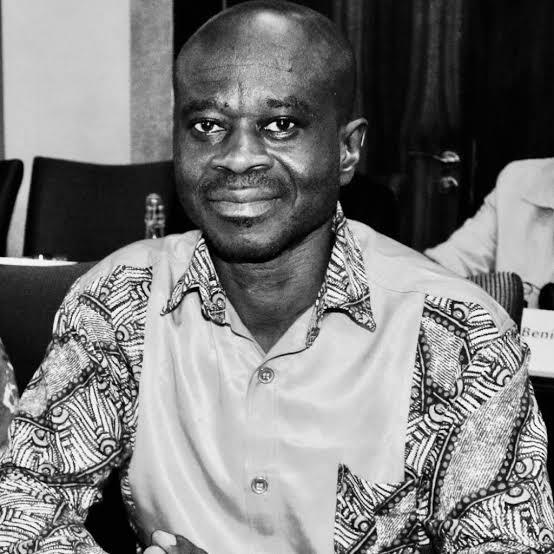



The Chair of the African Group of Negotiators on Climate Change (AGN), Nana Dr. Antwi-Boasiako Amoah, has urged African leaders to pursue an energy transition that delivers affordable electricity, creates decent jobs, strengthens local industries and enables the continent to retain greater value from its natural resources.
Speaking through his Technical Advisor, Dr. George Manful, at the Second New Energy for Africa Convening in Nairobi, the AGN Chair said Africa’s transition to clean energy should not be measured solely by the number of renewable energy projects, emission reductions or electricity connections.
Instead, he argued, the success of the transition should be judged by the quality of employment it generates, the protection of workers’ rights, the participation of women and young people, and the extent to which economic value remains within African economies.
“As Africa accelerates its energy transition, we must ensure that no worker or community is left behind,” Dr. Manful said while delivering the Chair’s remarks. “The transition must create quality jobs, strengthen social protection systems and build resilient local industries.”
The AGN Chair welcomed efforts by African trade unions to develop a common position ahead of the 31st United Nations Climate Change Conference (COP31), describing closer collaboration between labour organisations and climate negotiators as essential for advancing Africa’s interests in global climate negotiations.
With more than 600 million Africans still lacking access to electricity, he called for initiatives such as Mission 300 to mobilise affordable, debt-sensitive financing that supports local manufacturing, skills development and social protection.
He also urged African governments to use the continent’s vast reserves of critical minerals as a catalyst for industrial transformation rather than continuing the export of raw materials.
“Africa’s critical minerals must become a foundation for green industrialisation, not another chapter of raw-material extraction,” he said. “Our policies must promote local processing, technology transfer, decent work, environmental integrity and equitable participation in global value chains.”
Opening the three-day convening, the Deputy President of the International Trade Union Confederation (ITUC)-Africa, Rose Omamo, echoed the call for workers to play a central role in shaping Africa’s energy future.
“Workers must be at the centre of Africa’s energy transition—not consulted only after decisions have been made,” Omamo said. “The transition must create decent jobs, protect communities, strengthen African industries and ensure our natural resources improve the lives of our people.”
The Second New Energy for Africa Convening, organised by ITUC-Africa from August 5–7 in Nairobi, has brought together trade union leaders, representatives of the African Group of Negotiators and climate policy experts to develop a common African labour position ahead of COP31.
Participants are expected to formulate recommendations aimed at ensuring workers’ rights, job security, social dialogue and social justice are integrated into Africa’s climate negotiating position as governments prepare for the global climate summit.