



By Africa Science News Staff
Gaborone, Botswana – Botswana has announced a significant easing of livestock movement restrictions after successfully suppressing recent outbreaks of Foot-and-Mouth Disease (FMD) in several disease control zones, marking a major milestone in the country’s efforts to safeguard its livestock sector.
In a statement issued on 14 July 2026, the Ministry of Lands and Agriculture said emergency vaccination campaigns in disease control zones 3c and 6b had been completed by 4 July 2026, with the last reported cases recorded in March 2026.
Authorities noted that while the outbreaks in these zones have been contained, disease prevention measures remain in force in other affected areas, particularly in Zones 11 and 13, where surveillance, emergency vaccination, biosecurity measures, movement controls and containment activities continue.
“Farmers, members of the public and stakeholders are urged to comply with the revised disease prevention and control measures to safeguard the national herd,” the ministry said.
Restrictions Adjusted Based on Risk
The revised movement controls introduce a risk-based approach that permits limited livestock and livestock product movements from areas where the disease situation has improved while maintaining strict controls in high-risk zones.
The ministry has authorized movement of cattle, goats and sheep from several disease-free and vaccinated zones under veterinary permits, while movements from containment areas remain prohibited.
Movement of cloven-hoofed animals—including cattle, goats, sheep and pigs—continues to be tightly regulated to prevent further spread of the highly contagious viral disease.
Authorities have also outlined revised conditions governing the transportation of meat and other livestock products. Fresh meat from disease-controlled areas may only be transported under specified veterinary conditions, while processed meat, hides, skins and other animal products must meet strict sanitary requirements before movement is permitted.
Surveillance Continues
Veterinary officials emphasized that surveillance remains a critical component of Botswana’s disease control strategy. Regular inspections, monitoring of livestock movements and prompt reporting of suspected cases are expected to continue until authorities are satisfied that all remaining outbreaks have been eliminated.
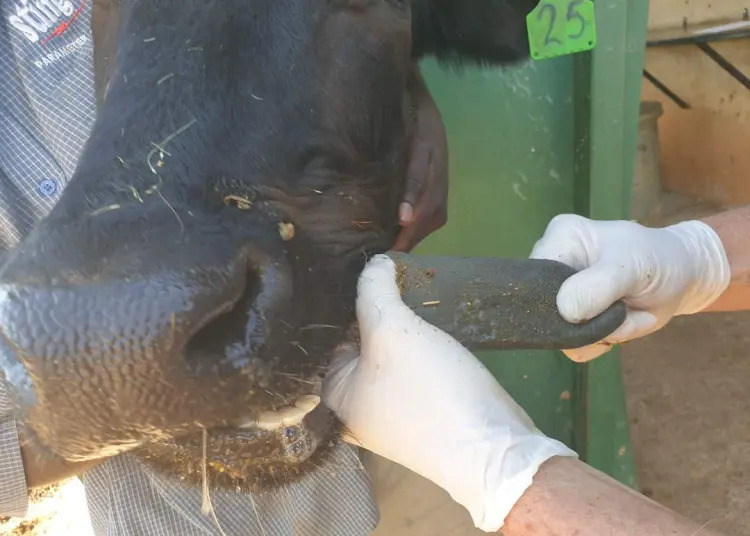
The ministry said livestock owners should immediately report animals showing clinical signs consistent with Foot-and-Mouth Disease, including excessive salivation, mouth lesions, lameness and foot lesions.
Biosecurity measures on farms and during transportation are also expected to remain in force.
Economic Importance
Botswana’s livestock industry is one of the country’s most important agricultural sectors, contributing significantly to rural livelihoods, food security and export earnings. Effective control of Foot-and-Mouth Disease is essential for maintaining access to regional and international beef markets, where strict animal health standards apply.
The gradual relaxation of movement restrictions is expected to provide relief to livestock farmers who have faced prolonged limitations on animal movements during the outbreak response.
However, veterinary authorities cautioned that continued cooperation from farmers, transporters, traders and the public will be essential to prevent re-emergence of the disease.
Public Cooperation Urged
The Ministry of Lands and Agriculture encouraged all stakeholders to familiarize themselves with the revised movement requirements and obtain the necessary veterinary permits before transporting animals or regulated livestock products.
Officials stressed that failure to comply with movement regulations could undermine ongoing disease control efforts and delay the country’s return to normal livestock trade.
The revised movement controls take immediate effect as Botswana continues implementing one of the region’s most comprehensive Foot-and-Mouth Disease surveillance and response programmes.