



By Henry Neondo
A new study by the Academy of Science of South Africa, funded by the Department of Science, Technology and Innovation, has identified extreme heat as one of the most urgent and rapidly growing risks to health and livelihoods across the Southern African Development Community.
The report, Climate Change and Extreme Heat: Strengthening Resilience and Adaptive Capacity in the Southern African Development Community (SADC), provides the first comprehensive regional analysis of how rising temperatures are affecting health systems, food security, labour conditions, urban environments, and ecosystems.
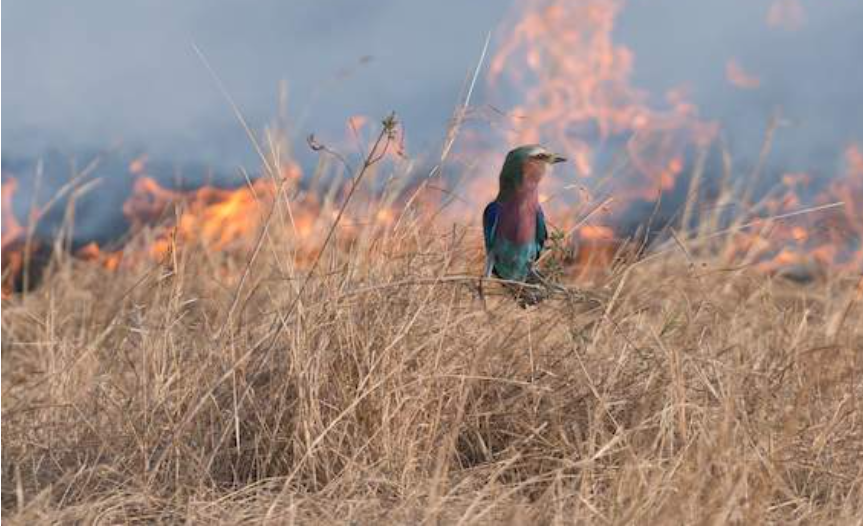
A key finding of the study is that extreme heat acts as an “integrator hazard”—a risk that intensifies multiple climate-related challenges at once. Increasing temperatures are worsening droughts, wildfires, air pollution, and placing additional strain on water, energy, and healthcare systems. These impacts are felt most severely by vulnerable populations.
Scientific data shows that global warming has accelerated significantly over the past 15 years, with 19 of the 20 hottest years on record occurring since 2000. In addition, record-breaking monthly temperatures are now happening five times more often than before.
“Extreme heat is no longer a future threat; it is already affecting millions of people across Southern Africa,” said Jerome Amir Singh, who chaired the study’s expert panel. He noted that the report provides practical, evidence-based recommendations to help governments and communities strengthen preparedness and response.
In the SADC region, the impacts of extreme heat are compounded by existing vulnerabilities such as high levels of outdoor work, rapid urbanisation, and overstretched public health systems. Rising temperatures are linked to increased cases of heat exhaustion, heatstroke, kidney disease, and cardiovascular conditions, as well as higher rates of hospital admissions and deaths.
The report also highlights heightened risks for specific groups. Pregnant women exposed to extreme heat face greater chances of stillbirth, premature delivery, and other complications. Infants and young children are particularly vulnerable due to limited ability to regulate body temperature, while older persons experience the highest rates of heat-related mortality.
Labour conditions further increase exposure. Sectors such as agriculture, construction, mining, transport, and informal trade—key employers across SADC—often involve prolonged outdoor work. In some countries, up to 80–90% of workers are in informal employment, frequently lacking adequate protections, cooling facilities, or social safety nets.
To address these risks, the report calls for urgent action. Recommended measures include strengthening early warning systems, integrating heat-health action plans into national climate strategies, improving worker protections, investing in urban cooling infrastructure, and enhancing public health preparedness.
The study was developed through a regional consensus process led by ASSAf, involving experts from Botswana, Eswatini, Lesotho, Malawi, Mauritius, South Africa, and Zimbabwe. It combines scientific evidence, policy analysis, and expert insights to guide policymakers, researchers, and communities in building resilience to extreme heat across Southern Africa.