




By Lenah Bosibori
Kenya is set to host one of the world’s largest gatherings on maternal and newborn health, even as experts warn that deaths among mothers and infants remain unacceptably high despite ongoing efforts to reverse the trend.
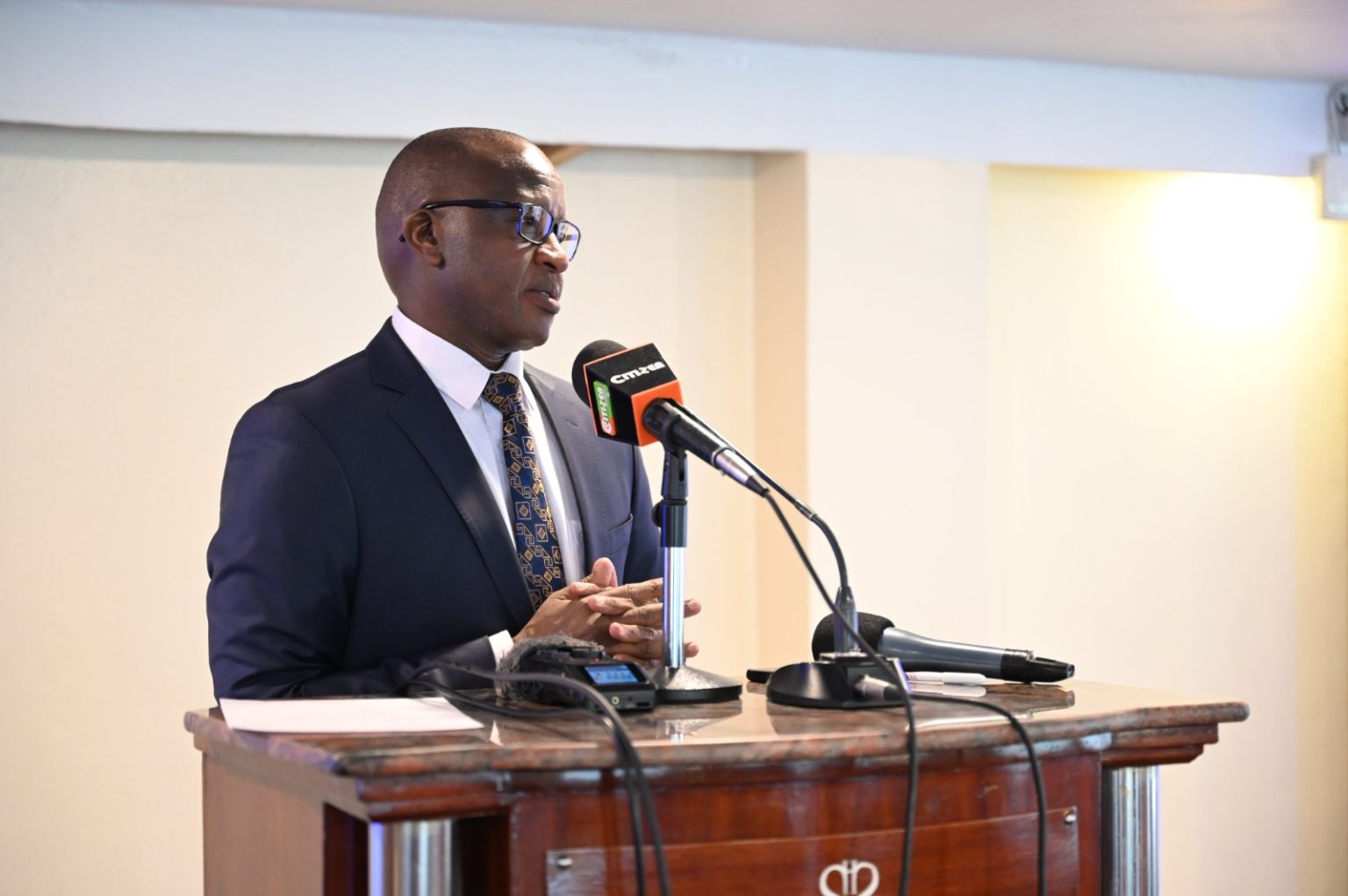
Speaking ahead of the event, Dr. Edward Serem, Head of Reproductive, Maternal, Newborn, Child and Adolescent Health at the Ministry of Health (MOH), said the country is preparing to welcome about 1,800 delegates from between 40 and 60 countries, most of them from Africa, for the International Maternal Newborn Child Health (IMNH) Conference.
The conference, only in its second edition after its debut in Cape Town in 2023, will take place in Nairobi from March 23-26 and is expected to shape both global and regional strategies on maternal and newborn care.
“This is the largest scientific conference of its kind in our country,” said Dr. Serem. “It gives us a platform to learn from each other and identify what works.”
Yet even as Kenya prepares to host the world, it is grappling with a persistent crisis at home. According to the MOH, between 2,500 and 5,000 mothers die every year, while about 92 newborns die each day, translating to nearly 30,000 deaths annually. Although some progress has been made, bringing the maternal mortality ratio to about 200 per 100,000 live births, the numbers remain troublingly high.
“In Africa and even in Kenya, these deaths are still unacceptably high,” Dr. Serem said. “This is why we must continue to remind leadership that the problem still exists.”
Health officials say the country has experienced more than a decade of slow progress, making the upcoming conference a critical moment. It is expected to create space for honest conversations on what works, what has failed, and how countries can learn from one another to accelerate solutions.
To better understand the scale of the challenge, the MOH has launched a Reproductive Age Mortality Survey aimed at producing more accurate and up-to-date data on maternal deaths, with results expected by May.
At the same time, the government is intensifying efforts to strengthen the health system by improving emergency training for healthcare workers, expanding access to life-saving equipment such as oxygen and CPAP machines for newborns, enhancing referral systems, and rolling out digital health platforms in 28 counties to improve real-time data tracking.
“More than 100,000 community health promoters are also playing a critical role in linking communities to care, supporting referrals, and collecting vital health data, added Dr Serem.
As a scientific gathering, the IMNH conference will bring together researchers, policymakers, and practitioners to share evidence, present studies, and exchange lessons across a wide range of issues, including staffing, referral systems, data use, and access to essential supplies.
Kenya will not only learn from others but also showcase progress it has made, particularly in strengthening accountability through systems such as maternal and perinatal death surveillance and response.
With healthcare devolved, counties remain central to success. While the national government provides policy direction and technical guidance, implementation rests with county leadership. Efforts are ongoing to strengthen accountability systems at the county level, improve staffing, and encourage greater investment in healthcare infrastructure. “For quality care, you must invest in skills,” Dr. Serem emphasized.
Dr. Louise Nyanjao, who leads maternal health programming at the Ministry of Health, explains that one of the leading causes of maternal deaths is postpartum hemorrhage, a condition where a woman experiences excessive bleeding during or shortly after childbirth.
She notes that this can result from factors related to the mother’s health, complications during delivery, or injuries sustained in the process. Difficult or prolonged labor, for instance, can increase the risk of severe bleeding and life-threatening outcomes.
To better understand why such deaths still occur, Dr. Nyanjao points to what experts call the “three-delay model,” a framework used to explain the critical gaps that can lead to maternal and newborn deaths.
The first delay happens at the community level, when a pregnant woman is unable or slow to decide to seek medical care. This may be due to lack of money for transport, limited awareness, or absence of someone to accompany her to a health facility. Such delays can worsen complications before help is even sought.
The second delay occurs after the decision has been made, but before the woman reaches a health facility. Poor roads, lack of transport, or long distances can slow down access to care, increasing the risk of complications and poor outcomes during delivery.
The third delay happens when a mother reaches the health facility and is linked to the quality of care she receives. The staff, infrastructure, and availability of medicines and equipment all affect whether her delivery is safe.
Together, the three delays, the decision to seek care, the journey to the facility, and the care received are major factors in maternal deaths.
To address this, the Ministry of Health has stepped up work with county governments and health managers, especially in arid and semi-arid regions, to improve support and ensure better outcomes for mothers.
Newborn deaths remain a major concern, driven largely by birth asphyxia, prematurity, and infections. Kenya currently records about 21 newborn deaths per 1,000 live births, with a target of reducing this to 12 by 2030. While investment in newborn units, including incubators, has increased, high-burden facilities still face shortages.
To close these gaps, the Ministry of Health is focusing on improving the quality of care by training health workers, expanding access to essential supplies, and promoting a “mother and baby” approach that ensures both receive care together. Efforts are also underway to stabilize vaccine supply through stronger collaboration with global partners.
Nurses and midwives continue to form the backbone of maternal and newborn care, especially in remote areas. New innovations, including portable ultrasound technology, are helping detect risks earlier and improve outcomes, although staffing shortages remain a challenge.
As Kenya prepares to host the global conference, expectations are high that it will deliver more than dialogue. The aim is to accelerate progress, improve the quality of care, and ultimately save lives.
According to Dr Juliet Omoha Head of Newborn and Child Health MOH, currently, Kenya still faces a high number of newborn deaths, with 92 babies lost every day about four every hour. “Looking at the country’s progress over the past 30 years, and especially the last decade, the numbers are slowly declining, but not as fast as hoped, noted Dr Omoha. “The top three causes of these deaths are birth asphyxia, prematurity, and infections such as sepsis.”
Despite gains in areas such as skilled birth attendance, which now stands at about 89 percent, recent trends suggest that progress is slowing, and in some cases reversing. Even more concerning is that many deaths occur within health facilities, raising serious questions about the quality of care being provided.
Challenges persist across the system, including shortages of healthcare workers and specialists, gaps in essential supplies like blood and oxygen, weak infrastructure, and poor referral systems. In some areas, patients are still transported to hospitals without proper medical support.
“These are preventable deaths,”. Noted Dr Omoha. “No woman should die because there was no blood, no oxygen, or no health worker on duty.”
The burden is not evenly distributed. Counties such as Turkana, Baringo, Migori, Kilifi, and parts of North Eastern Kenya carry the highest rates of maternal and newborn deaths, while others like Nyeri and Murang’a are demonstrating that progress is possible with the right priorities and investment.
Although counties receive significant funding, health experts say not enough is directed toward maternal and newborn care. Kenya has developed several frameworks, including Every One Newborn Everywhere Acceleration Plan and the Rapid Results Initiative, but officials acknowledge that plans alone are not enough.
“We have the solutions. Now we need action and accountability,” added Dr Omoha.
The country has set ambitious targets, including achieving 90 percent antenatal care coverage, 90 percent skilled birth attendance, 80 percent postnatal care, and 80 percent access to emergency care within two hours. These align with global development goals, but time is running out.
The country is rolling out the “Every Woman, Every Newborn (EWENE) Strategy (2026-2030) aligned with the sustainable Development Goals and focused on equity quality and accountability.
As the conference approaches, there is also a call for the media to go beyond statistics and tell the human stories behind the crisis, to give voice to affected families and hold leaders accountable.
With support from international partners and a renewed sense of urgency, Kenya stands at a turning point. IMNH 2026 is more than a conference. It is a test of commitment and a chance to turn promises into action.