



By Henry Neondo
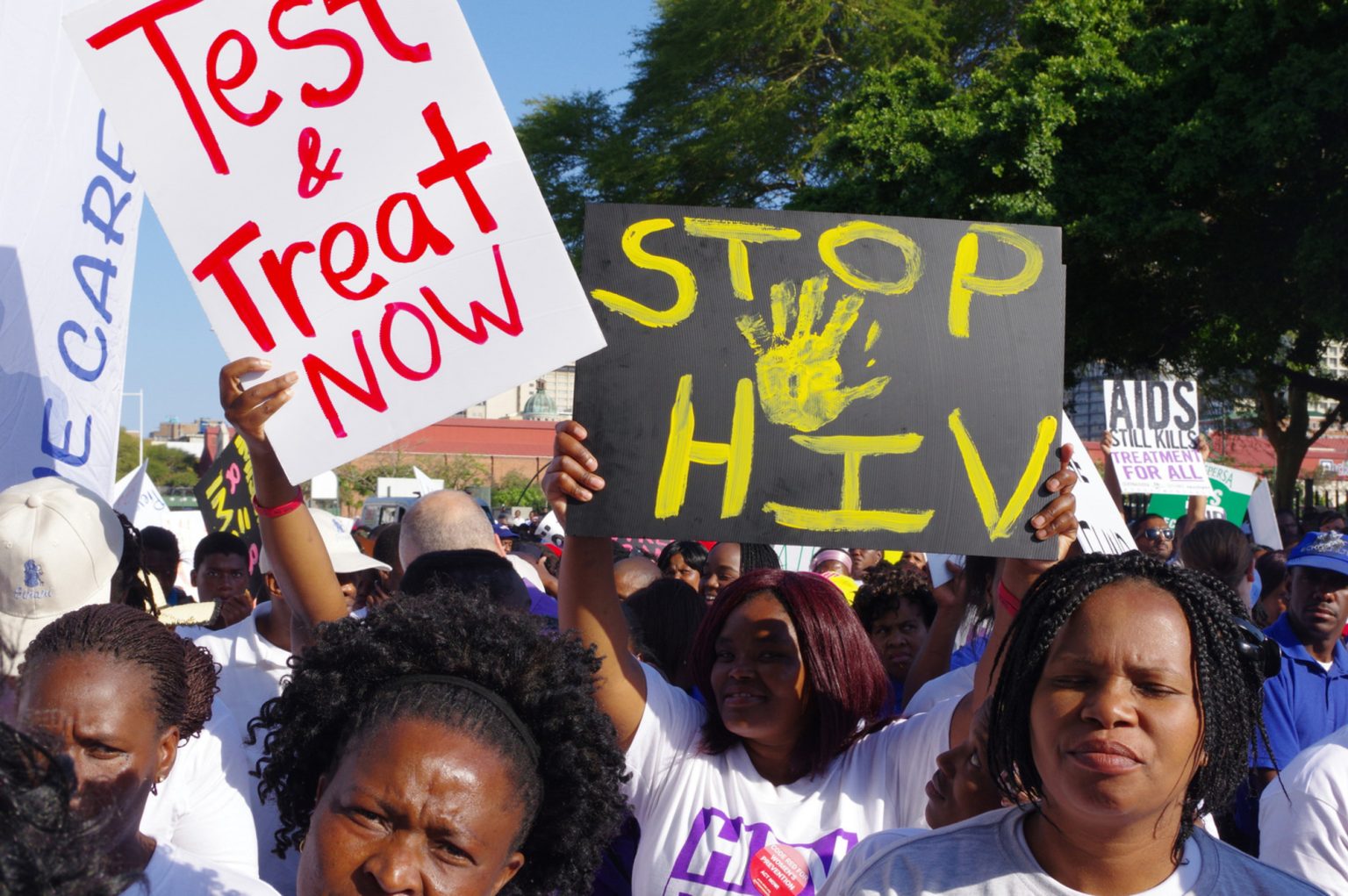
Sub-Saharan Africa’s fight against HIV and AIDS has faced one of its most severe tests in decades following cuts to US foreign aid under former President Donald Trump. Yet across the region, governments, communities, and health systems are drawing on hard-earned experience to cushion the blow, adapt services, and protect millions of lives that depend on uninterrupted HIV prevention and treatment.
A new peer-reviewed study by researchers from the Africa Health Research Institute, the University of KwaZulu-Natal, Emory University, and University College London documents the human and systemic costs of the sudden suspension of US funding in early 2025. The cuts affected flagship programmes including PEPFAR, USAID, the US Centers for Disease Control and Prevention (CDC), and the National Institutes of Health (NIH), triggering widespread service disruptions, stalled research, and job losses across the continent.
The authors warn that countries such as South Africa face a “multidimensional crisis” that could reverse over two decades of progress. By March 2025, more than 8,000 healthcare workers in South Africa alone had lost their jobs after the withdrawal of US support that previously funded over 15,000 HIV-related positions across 27 high-burden districts. Many of those affected were community health workers, data officers, and linkage-to-care staff — the backbone of decentralised, community-based HIV services. Despite these shocks, Sub-Saharan Africa is not standing still.
Adapting services, protecting gains
Across the region, governments have begun integrating HIV services more firmly into national health systems, reducing dependence on donor-funded parallel structures. Clinics have merged HIV testing and treatment into primary healthcare, while community-based organisations have reorganised outreach using volunteers and local resources to maintain contact with key populations, including sex workers, men who have sex with men, and people who use drugs.
In South Africa, where roughly 20% of the global HIV burden is concentrated and about 5.9 million people are on antiretroviral therapy (ART), provincial health departments have reallocated domestic funds to keep core ART services running. While viral load testing dropped by up to 21% in some areas during the immediate aftermath of the cuts, authorities and partners are prioritising the most vulnerable patients to prevent widespread treatment interruption.
Kenya offers another example of resilience under pressure. Before the aid cuts, the country had surpassed global targets, with nine in ten people living with HIV knowing their status, nine in ten of them on treatment, and nine in ten achieving viral suppression. According to Duke Otieno, an HIV/TB/KAPS advocacy officer, Kenya’s challenge now lies in managing antiretroviral drug stockouts, particularly second-line regimens. In response, the government has accelerated local procurement, improved supply-chain coordination, and strengthened patient tracking to minimise treatment disruptions.
Data from Kenya’s National Syndemic Diseases Control Council shows the country has 1.37 million people living with HIV. Maintaining their treatment is now a top national priority, reflecting a broader continental shift toward domestic ownership of the HIV response.
Regional solidarity and innovation
Elsewhere in Southern Africa, countries have turned to regional solidarity to cope with shortages. When Botswana experienced ARV stockouts following the aid cuts, neighbouring Zimbabwe stepped in to stabilise supplies — a rare but telling example of south-to-south cooperation in health.
Community innovation has also played a crucial role. Peer educators, faith-based groups, and networks of people living with HIV have filled gaps left by funding withdrawals, supporting adherence, combating stigma, and ensuring pregnant women and infants remain linked to care. This is particularly critical as prevention of mother-to-child transmission programmes face renewed pressure.