



By Lenah Bosibori
As drought, diseases and changing weather patterns threaten livestock production in Kenya, livestock stakeholders are calling for the establishment of a conservancy to protect indigenous animal breeds from disappearing.
The proposed conservancy would provide a protected space for indigenous breeds such as the Maasai Red goat and the Galla goat, while rewarding farmers and pastoralists who continue keeping and conserving them.
Speaking during a panel discussion at the first Eastern Africa Indigenous Seed Conference in Nairobi, Prof Bockline Omedo Bebe, a Professor of Livestock Production Systems in the Department of Animal Science at Egerton University said indigenous livestock is increasingly being lost to drought and diseases.
“I wish we would have a conservancy for the Maasai Red goat, the Galla goat and all our indigenous livestock, where we can protect these breeds and later reward the farmers who keep them from getting extinct,” he said.
A livestock conservancy is a designated area or organized conservation programme where indigenous livestock breeds can be protected, bred and maintained to prevent them from disappearing.
It provides a way of preserving valuable genetic characteristics, including the ability of local breeds to withstand drought, diseases and harsh environmental conditions.
Bebe said conservation efforts should not be limited to wildlife and indigenous plant varieties, but should also recognize the livestock breeds that have sustained pastoralist communities for generations.
He emphasized the need to involve farmers and livestock keepers in university research and other agricultural programmes, saying their participation would help preserve indigenous knowledge and ensure it is passed on to future generations.
He added that universities should work more closely with communities to strengthen research, education and the conservation of local livestock breeds.
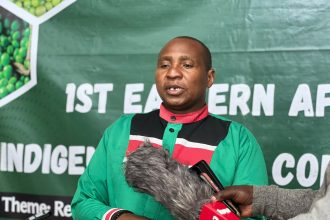
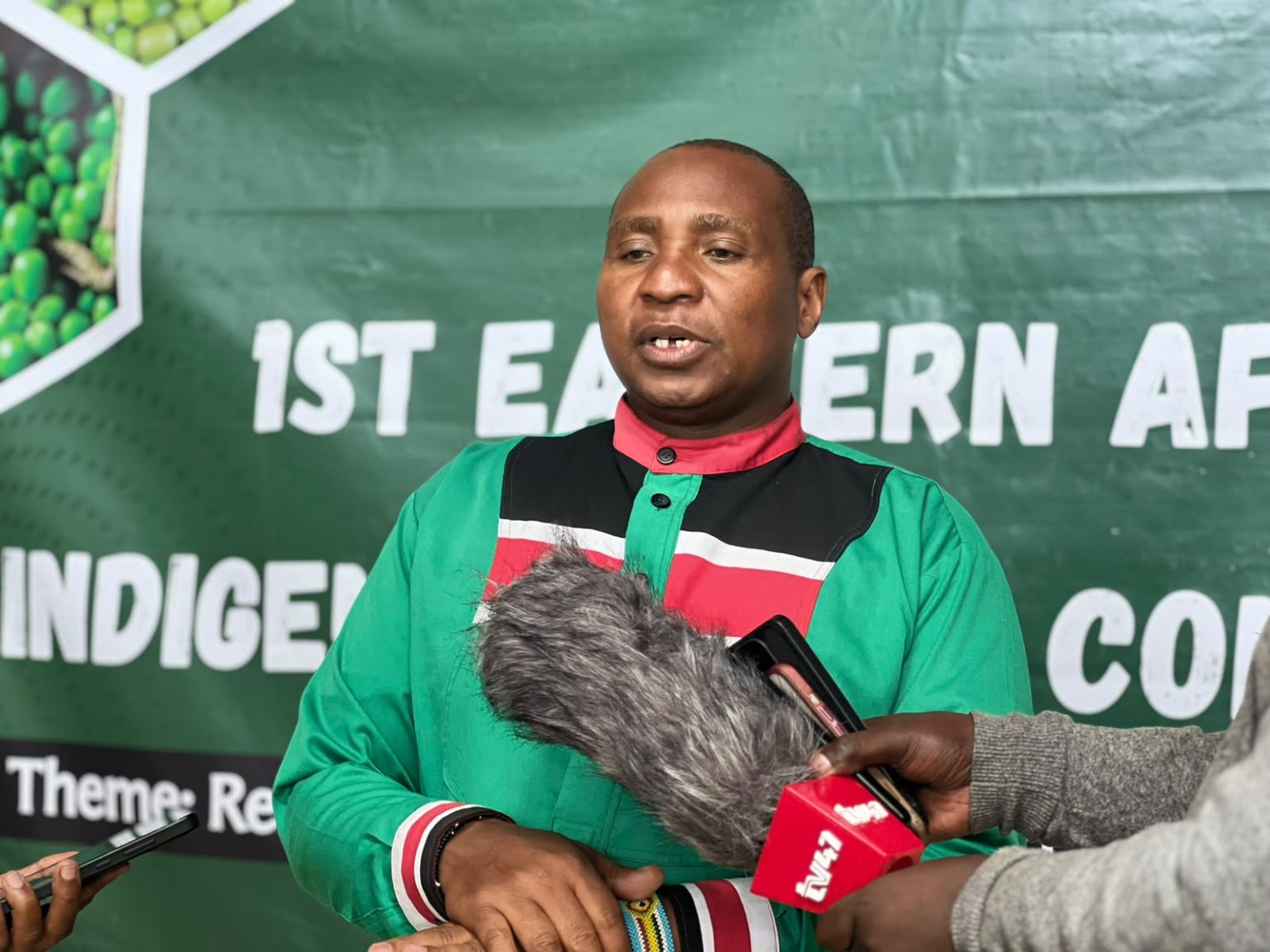
David Ole Sankok, a member of the East African Legislative Assembly (EALA), also raised concerns about the declining attention given to indigenous livestock and the challenges facing farmers.
He said awareness of the value of indigenous breeds had not reached enough livestock keepers to help them make informed decisions about what animals to conserve and rear.
“We have so many boards, yet we have none for our livestock. We also don’t have a minimum guarantee for our livestock,” he said.
Sankok questioned why Kenya had established marketing and regulatory institutions for several agricultural products but had not given livestock the same level of institutional attention.
He also called on the government to invest more in the leather industry, adding that the country was losing economic opportunities by failing to add value to livestock products.
He estimated that Kenya loses close to one million livestock annually to diseases, further raising concerns about the need for better disease prevention, animal health services and protection of indigenous breeds.
Sankok warned that the country risked losing its local livestock breeds through policies and farming practices that increasingly favor imported genetics.
“Our local breeds are very resistant. They can survive diseases and drought, yet we want to do away with them,” he said.
He cautioned that overreliance on imported semen could gradually undermine indigenous breeds and the genetic characteristics that have enabled them to survive in harsh local conditions.
He added that Kenya appeared to place greater emphasis on protecting wild animals than conserving the livestock that provide food, income and livelihoods for pastoralist communities.
Sankok also questioned the suitability of introducing water buffaloes into Kenya, following President William Ruto’s advice on diversifying livestock production. He argued that animals introduced from different environments may not necessarily adapt to Kenya’s changing climatic conditions.
He compared this to keeping camels in every part of the country, saying livestock breeds should be selected according to the environmental conditions in which they are expected to survive and produce.
Linking indigenous seeds to livestock conservation
The discussions took place during the first Eastern Africa Indigenous Seed Conference, held from November 17 to 20, 2026, at the Catholic University of Eastern Africa in Nairobi.
Convened by Seed Savers Network, the four-day regional gathering brought together farmers, seed custodians, researchers, policymakers, civil society organizations, youth and development partners to discuss the protection of indigenous seeds, agricultural biodiversity and farmer managed food systems.
Held under the theme “Realising the Right to Food through Seed Sovereignty,” the conference examined how communities can retain control over the seeds, livestock breeds and traditional knowledge that support their food systems.
Although indigenous seeds were central to the discussions, the conference also recognized the importance of conserving local livestock breeds as part of efforts to build resilient food systems in Eastern Africa.
Participants explored issues including climate change, biodiversity conservation, farmers’ rights, community seed systems and policies that support local agricultural resources.
The call for a livestock conservancy reflects a wider concern that protecting indigenous food systems requires more than preserving crop varieties. It also means safeguarding the animals, knowledge and farming practices that communities depend on.
For pastoralist communities, indigenous livestock are more than a source of meat, milk and income. They are part of their culture and livelihoods, with breeds developed over generations to survive particular environmental conditions.
As climate pressures increase, stakeholders say protecting these genetic resources and supporting the farmers who maintain them will be important in securing the future of livestock production in Kenya.