

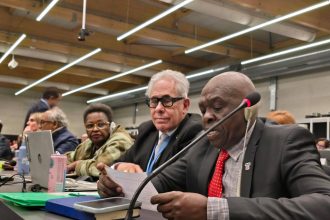


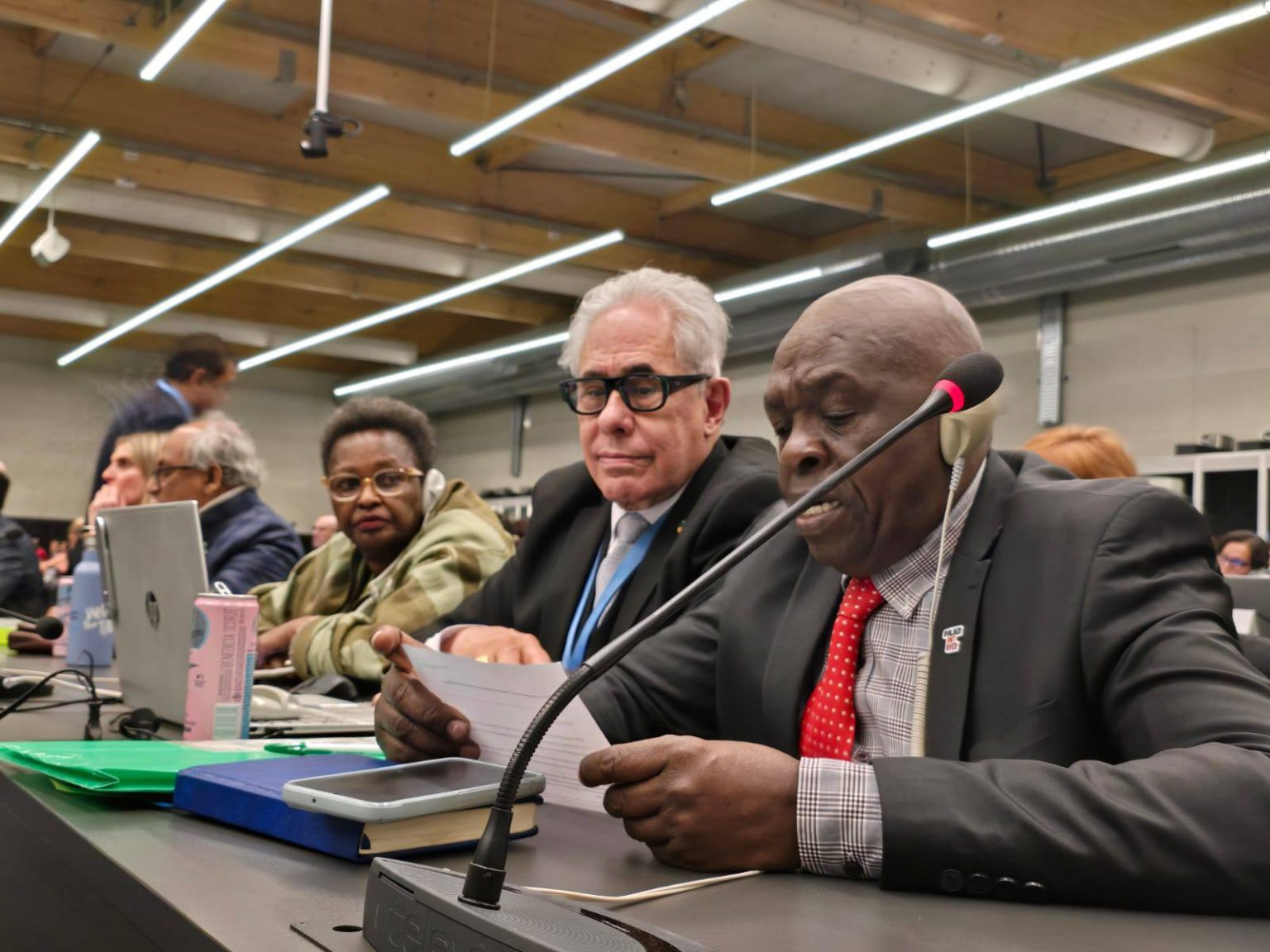
In what advocates are calling a landmark moment for human rights, governments have convened for the first-ever session of the Intergovernmental Working Group (IGWG) mandated to draft a legally binding UN Convention on the Rights of Older Persons.
The IGWG was established by the United Nations Human Rights Council in April 2025 to develop a dedicated international treaty protecting the human rights of older persons—an area long considered a gap in global human rights law.
“Over Two Decades of Advocacy”
“It has taken older persons, with support from the not-so-old ones, over two decades of advocacy and efforts to reach this point where governments are convening to draft a legally binding possible treaty to age with rights,” said Shobha Shukla, a registered delegate at the IGWG meeting. She participated both as a person with lived experience and as a representative of the Development Justice for Older Persons (DJ4OP) campaign.
Shukla noted that existing international human rights treaties do not specifically address the unique rights and vulnerabilities of older persons. As a result, many face violations related to access to healthcare, social protection, and support during humanitarian crises.
The proposed convention aims to provide a comprehensive framework to combat ageism and age discrimination, while recognising the economic and social contributions older persons make to societies worldwide.
Call for Meaningful Participation
Opening the meeting, Nada Al-Nashif, UN Deputy High Commissioner for Human Rights, stressed the importance of inclusive participation.
“Meaningful participation is essential. Older persons themselves — in all their diversity, including older women, older persons with disabilities, those belonging to indigenous peoples, minorities and rural communities — must be actively engaged in this process,” she said.
She emphasised that civil society organisations, national human rights institutions and independent experts would play a critical role in ensuring both legitimacy and quality in the outcome.
The World Is Ageing — Rapidly
The urgency of the treaty is underscored by global demographic trends. Life expectancy has increased significantly across most regions. Japan, for example, has nearly 100,000 people aged 100 or older — the highest number in the world — with women comprising roughly 88% of centenarians.
By 2050, the global population of people aged 60 and above is projected to reach 2.1 billion, nearly one-fifth of humanity.
“Longevity is one of humanity’s greatest achievements,” said Shukla. “Yet the promise of longer life is too often accompanied by persistent gaps in the protection of human rights.”
Ageism: “The Elephant in the Room”
Advocates say that ageism remains one of the most pervasive and least acknowledged forms of discrimination.
“Ageism is one big elephant in the room,” said Shukla. “It includes harmful norms, stereotypes, narratives and tropes against older persons. It affects women more than men; less educated more than better educated.”
She highlighted how ageism intersects with gender inequality, disability, and other forms of discrimination. Older women, gender-diverse persons, and persons with disabilities often face compounded stigma.
According to Shukla, ageism manifests everywhere — at home, in workplaces, in healthcare settings, and in the media. Older persons are frequently stereotyped as dependent, asexual, or economically unproductive.
Workplace Discrimination and the “Retirement” Debate
Shukla also challenged age-based retirement norms.
“The word ‘retired’ itself reeks of ageism. One does not retire as long as one lives. We change paths and move in new directions,” she said.
She called for support systems that allow older persons to choose whether to continue working with dignity, rather than being pushed out of the workforce solely due to age.
Ageism, she added, directly impacts health-seeking behaviour. Research indicates that individuals with negative perceptions of ageing tend to experience poorer health outcomes. Many diseases are incorrectly attributed to “just old age,” delaying diagnosis and treatment.
Sexual and Reproductive Rights in Older Age
Sexual health and rights of older persons remain taboo in many societies.
“The elderly are generally kept absent from discourses around sexual health and rights,” Shukla said. “All of us have the right to bodily autonomy irrespective of our age.”
She emphasised that this issue is particularly critical for older women, older persons with disabilities, gender-diverse individuals, and indigenous communities.
A Lifecycle Approach to Healthy Ageing
Advocates are calling for a lifecycle approach to health promotion, including prevention of communicable and non-communicable diseases at every stage of life.
“Many age-related diseases and disabilities are preventable, or their severity can be reduced, if healthy living and active ageing is promoted for every age,” Shukla said.
Beyond healthcare, older persons need social and financial security, affordable public transport, safe public spaces, and accessible infrastructure to maintain independence and dignity.
More Than a Treaty — A Shift in Mindset
While the creation of the IGWG marks a decisive step forward, officials caution that a treaty alone will not solve systemic challenges.
“A legally binding instrument will not, by itself, resolve all the challenges older persons face,” Al-Nashif noted. “Its effectiveness will depend on political will, adequate resources, strong institutions, and sustained societal transformation.”
Still, advocates believe a binding UN convention could accelerate reforms globally and help countries prepare for rapidly ageing populations.
“We, the elderly, are not asking for mercy,” Shukla said. “We are asking for our long overdue rights. We need to be recognised — not as burdens, but as rights holders and vital contributors to families, communities, economies and public life.”
As governments begin drafting what could become the first international treaty dedicated to the rights of older persons, campaigners hope it will affirm the agency, autonomy and dignity of people at every stage of life — and finally put ageism where it belongs: in the past.