



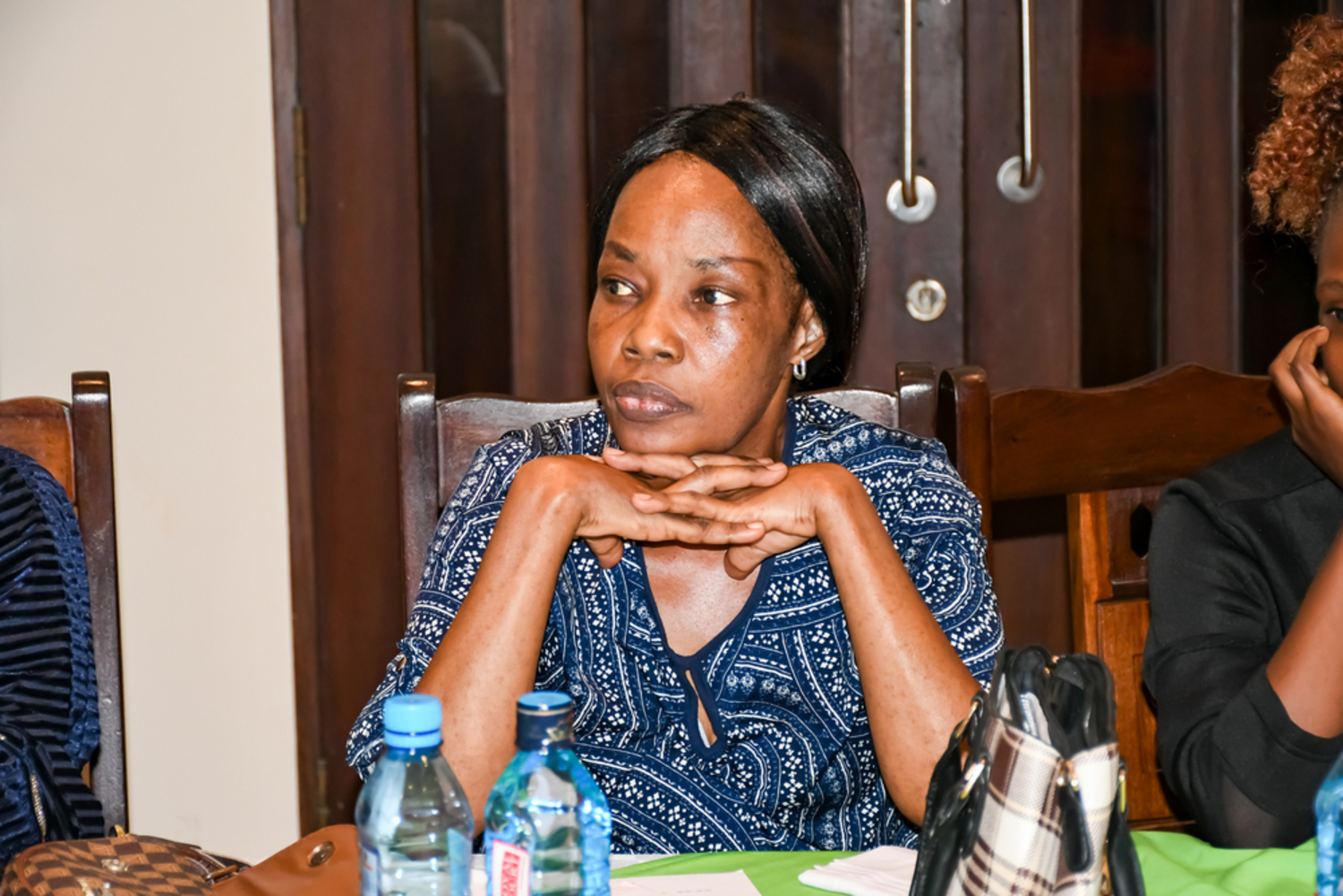
Born on Kenyan soil, yet denied identity, rights, and recognition for generations. Esther Bonface Nambara, 42, lives in Kwale County on Kenya’s coast. She was born in Kenya, yet she is stateless.
By Lenah Bosibori
Mombasa, Kenya – Nambara’s story reflects the struggles of a small but growing community of Rundians who settled in Kenya long before independence but remain denied citizenship.
She identifies as Rundian because when her grandfather migrated to Kenya, Rwanda and Burundi were still a single territory, giving their community its name.
“We are not equal,” Nambara says. “Even if we go to school, it doesn’t get us far. We learn, but we cannot find employment. Sometimes the law limits us through our parents. We study, but we cannot even register for national exams because we don’t have legal identification.”
In Nambara’s case, statelessness means being born and raised in Kenya but not being legally recognized as a citizen by any country. She lacks an identity card, nationality, and access to basic rights and services.
Her grandfather arrived in Kenya in 1959 seeking work on colonial-era farms. Her parents toiled as farm laborers, many in conditions akin to slavery. “We don’t want to continue that life,” she says. “We don’t want our children to inherit the same hardships.”
When her father passed away two years ago, he could not be buried where he had worked. A friend—a Burundian married to a Kenyan—offered them a resting place. “If we had identity cards, we could own land, access banks, and take better care of our families,” Nambara adds.
The lack of identification even affects everyday activities. “We are forced to borrow someone else’s identity just to register mobile phones,” she says. “If you came looking for Esther, you wouldn’t find her. People know me as Hanifa.”
Healthcare is another major challenge. Without formal jobs or Social Health Insurance (SHA) coverage, paying for hospital bills is impossible. “We have nothing. When bills accumulate, we just wait for death,” she says quietly.
For Nambara and the Rundians—estimated at around 2,150 people in Kwale—daily life is a struggle. Children go to school without documents, cannot sit for national exams, and often go hungry. Access to healthcare and financial services like bank accounts is nearly impossible.
“We wish we could be refugees,” Nambara laments. “At least refugees get food, school support, and recognition. But we have lived here for generations, and the law ignores us.”
Kenya gained independence in 1963, yet the Rundians remain invisible. By law, anyone in Kenya before independence should be recognized as a citizen. Bureaucratic hurdles and historical oversight have left Rundians stateless, while neighboring groups such as the Pemba and Makonde have secured identification.
“The Pemba, Makonde, and Rundians all worked on farms,” says Henedy Mwafijo, a paralegal officer with Haki Centre, a rights-based organization supporting stateless communities. “Through our community registration program, the Pemba and Makonde received membership cards, which later paved the way for national identity documents and formal recognition as citizens.”
The Makonde were granted full citizenship and identity documents in 2017 after decades of statelessness, while the Pemba secured official recognition and began receiving IDs in 2023. Nambara’s community remains without legal identity, shut out from basic rights and services. “We are now working to follow the same process for the Rundians,” Mwafijo says.
Haki Centre introduced a community register to track origins, population size, and identities, aiming to end statelessness and ensure Rundians can access rights like other Kenyans.
Nambara remains cautiously hopeful. “Since partnering with Haki Centre, we see progress and a possible future. Leaders have promised to help us get our identities. We are waiting for a yes.”
The Rundians’ plight highlights a larger issue of statelessness affecting vulnerable communities across Kenya. Without official recognition, generations grow up unable to fully participate in society, trapped in cycles of poverty and marginalization.
“We are Kenyan in every way,” Nambara insists. “We work, we contribute, yet the law refuses to acknowledge us. We want identification so we can live with dignity, own land, access healthcare, educate our children, and build a future.”
For the Rundians, the plea is simple: recognition, equality, and the chance to claim the rights that have been denied to them for generations.