


A new analysis of Turkana genomes through a collaboration between US and Kenyan institutions shows how the activity of key genes has changed over millennia to allow them to thrive in extreme desert conditions. The comprehensive study, published in Science, reveals how the Turkana people have evolved extraordinary physiological adaptations to survive in their harsh homeland, where water scarcity and extreme heat have shaped their lifestyle.
Through years of documenting the Turkana community’s lifestyle and studying blood and urine samples to assess their health, researchers found a striking paradox: “About 90% of the people we assessed were dehydrated but generally healthy.” said the project co-PI, Prof. Julien Ayroles, a faculty member at the University of California, Berkeley.
“The Turkana have maintained their traditional way of life for thousands of years, providing us with an extraordinary window into human adaptation,” Ayroles said.
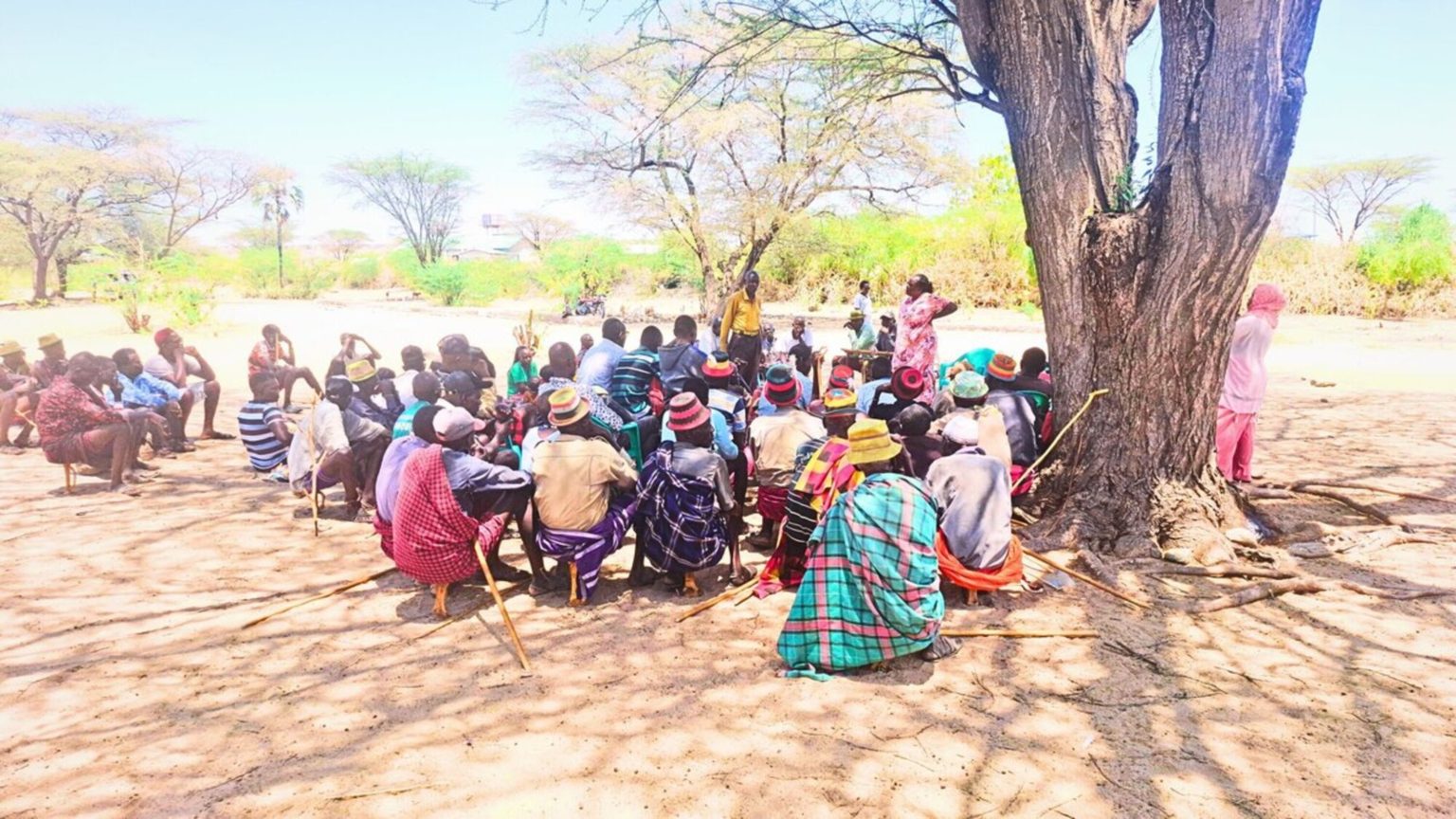
The Turkana homeland stretches across a vast arid landscape in Northern Kenya where shade is rare and water even rarer. While their nomadic existence takes them around East Africa—into Uganda on the west, South Sudan on the northwest and Ethiopia on the north—this is one of the most arid regions of the world. Rainfall arrives in short, unpredictable bursts, and in this environment, securing enough water for themselves and their herds of goats and camels is a daily chore. The journey to fetch water can take several hours each day, often across terrain that is hot and devoid of vegetation.
The traditional pastoralist diet reflects both resourcefulness and adaptation to scarcity: for those adhering to a nomadic pastoralist lifestyle, it is estimated that 70–80% of their nutrition comes from animal sources, mostly milk, blood, and meat. This reliance is a common solution among pastoralist societies around the world, in environments where crops cannot grow and markets may be far away on foot. Read more