





By Suleiman Mbatiah
Chad is intensifying efforts to integrate its livestock sector into the African Continental Free Trade Area (AfCFTA), pushing forward regulatory reforms, digital trade systems, and regional harmonization as the country seeks a stronger foothold in intra-African markets.
The landlocked Sahel nation has signed and ratified the AfCFTA agreement, anchoring implementation in political commitment, institutional oversight, and alignment of national laws with trade, livestock, and customs policies. Livestock is central to Chad’s economy, contributing 18 percent of national Gross Domestic Product (GDP) and 53 percent of agricultural sector output, making it the country’s leading non-oil export.
Officials say existing frameworks, spanning customs regulations, sanitary laws, veterinary inspection systems, and regional agreements under the Economic and Monetary Community of Central Africa (EMCCA) and the Economic Community of Central African States (ECCAS), are overseen by ministries responsible for livestock, trade, and customs administration.
“The AfCFTA represents a historic opportunity to reposition Chad as a major player in regional livestock trade,” said Gassissou Sakanga, Executive Secretary of the continent-wide market platform in Chad, while noting that significant hurdles remain despite the progress made.
Sanitary standards remain poorly harmonized, veterinary certificates lack mutual recognition, and non-tariff barriers including informal levies and multiple checkpoints continue to impede trade flows, Sakanga said.
Structural constraints compound these challenges include high informality, limited traceability systems, inadequate cross-border markets, insufficient processing capacity, and underdeveloped border infrastructure all erode Chad’s export competitiveness.
Authorities are pursuing solutions on multiple fronts, including digitizing trade documents, strengthening veterinary services, modernizing livestock markets, and promoting local processing to capture greater value from exports.
“The principal challenge is non-tariff, covering standards, logistics, and formalization, while regional harmonization remains indispensable for effective integration,” Sakanga said.
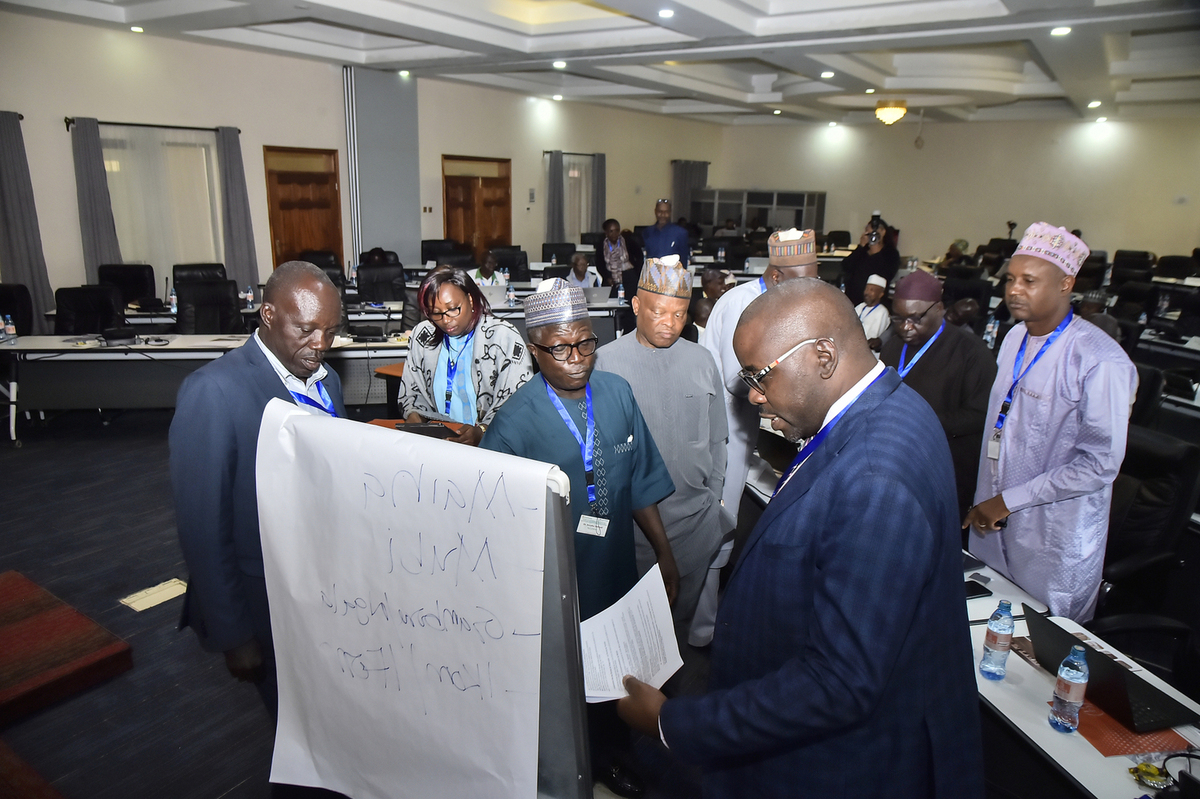
He was speaking in Naivasha, Kenya, at a regional technical consultation convened to advance policy harmonization, mutual recognition frameworks, and corridor-based trade facilitation for cross-border livestock movement.
The forum, organized under the African Pastoral Markets Development Platform, drew approximately 75 participants including governments, regional blocs, private sector actors, and pastoralist groups from the Horn of Africa and Sahel regions. It is led by the African Union’s Inter-African Bureau for Animal Resources, which supports member states in strengthening policy coherence, institutional coordination, and implementation frameworks for livestock trade.
Discussions centered on fragmented regulations, unharmonized sanitary requirements, and weak corridor coordination that continue to limit pastoral systems’ effective participation in AfCFTA markets. Participants reviewed progress from earlier dialogues, including AfCFTA ratification, tariff offers, and the identification of priority trade corridors such as Mandera-Bula Hawa, Liboi-Dhoobley, and Moyale.
Stakeholders flagged persistent constraints including overlapping regional mandates, uneven domestication of AfCFTA instruments, and corridor-specific barriers affecting trade between Chad, Nigeria, and Cameroon.
“The consultations aim to move from policy dialogue to operational delivery, establishing enforceable instruments such as mutual recognition agreements for livestock movement permits, vaccination records, and sanitary certification,” said Dr John Oppong-Otoo, coordinator for Economics, Marketing and Trade at AU-IBAR.
Other priorities include developing corridor procedures, supporting tariff negotiations, and promoting one-stop border posts to ease movement, with the initiative expected to reduce fragmentation, accelerate formal trade, and strengthen coordination across frameworks.