

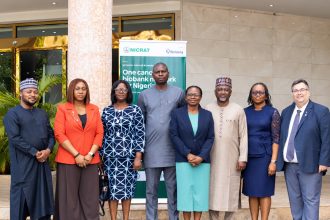


A renewed push to strengthen agricultural transformation through international cooperation is set to take centre stage in Nigeria, as policymakers, diplomats, and development actors convene in Abuja for a high-level summit organized by the Sasakawa Africa Association (SAA).
Scheduled for April 9, 2026, the workshop—hosted at Rockview Royale Hotel—brings together Nigeria’s Federal Ministry of Agriculture and Food Security, the Ministry of Livestock Development, state governors, and representatives of the Japanese government. The gathering underscores a deepening Japan–Nigeria partnership at a time when Africa’s largest economy faces mounting pressure to address food insecurity, climate stress, and low agricultural productivity.
The event, themed “SAA @ 40: Deepening Impact and Expanding Reach at Scale,” doubles as the organization’s annual stakeholder workshop and the launch of its 40th anniversary celebrations. Founded in 1986, SAA has spent decades advancing smallholder agriculture across Africa, with over 30 years of sustained engagement in Nigeria.
Japan’s Expanding Role in Agricultural Transformation
Leading the Japanese delegation are Shuichi Suzuki, Hideo Suzuki, and Ishigame Keiji. Their participation signals Japan’s growing footprint in Africa’s agricultural development landscape, particularly in technology transfer, mechanization, and private sector-led innovation.
Japan’s development cooperation, often channelled through the Japan International Cooperation Agency, has increasingly focused on building resilient agricultural systems by supporting extension services, agribusiness development, and climate-smart technologies.
Aligning Policy, Practice, and Investment
On the Nigerian side, the Minister of State for Agriculture and Food Security, Aliyu Sabi Abdullahi, is expected to deliver keynote remarks and formally unveil SAA’s anniversary programme. Participation from governors of key agricultural states—including Oyo, Benue, Kano, Jigawa, Nasarawa, Yobe, and Gombe—reflects growing subnational interest in scaling agricultural innovations and partnerships.
The summit comes at a critical juncture for Nigeria’s agriculture sector, which continues to grapple with persistent structural challenges, including declining soil health, weak extension systems, limited market access, and the intensifying impacts of climate change.
According to SAA Nigeria Country Director Godwin Atser, the workshop is designed to move beyond commemoration toward actionable outcomes.
“We are bringing together those shaping policy, those investing in agriculture, and those working directly with farmers to reflect on what works and agree on how to scale impact,” he noted ahead of the meeting.
From Dialogue to Scalable Solutions
A key highlight of the summit will be deliberations on the role of the private sector in agricultural transformation, alongside reflections on outcomes from the Tokyo International Conference on African Development 2025. These discussions are expected to shape how global commitments translate into national and local agricultural policies in Nigeria.
Participants will also review progress under SAA’s 2021–2025 Strategic Plan, which emphasizes regenerative agriculture, market-oriented production systems, and nutrition-sensitive farming approaches. These interventions aim to enhance productivity while strengthening resilience and improving farmer incomes.
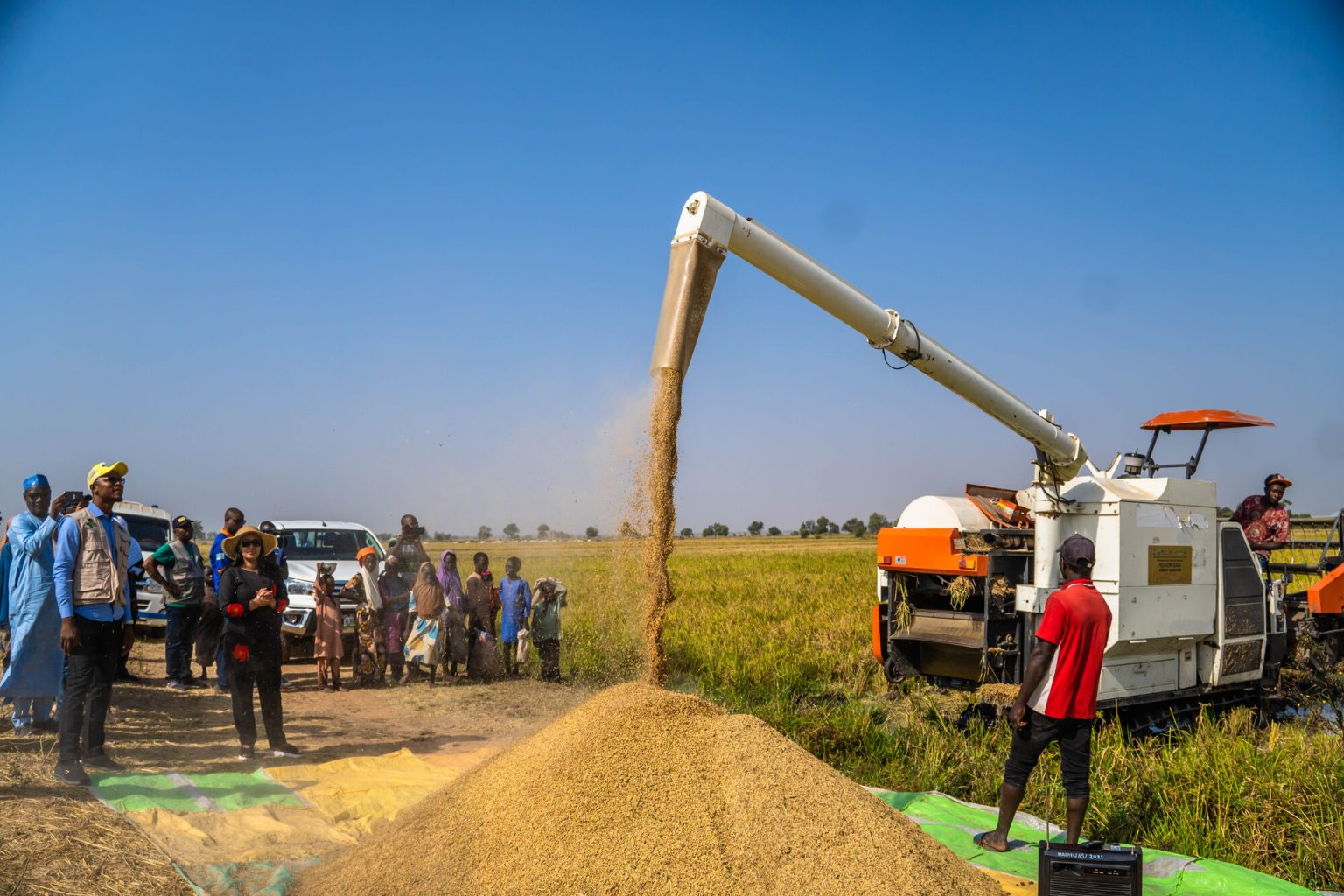
In a practical demonstration of innovation, Japanese companies will showcase agricultural technologies during an exhibition segment, providing a direct interface between policymakers and scalable, field-tested solutions.
Strengthening Subnational Partnerships
State-level collaboration is expected to feature prominently, with governors sharing experiences and identifying opportunities to deepen engagement with SAA. The summit will also recognize long-standing partnerships, including an award to Gombe State Governor Muhammadu Inuwa Yahaya for sustained collaboration in advancing agricultural development initiatives.
Looking Ahead
As Nigeria seeks to strengthen its food systems and rural economy, the Abuja summit is positioned as more than a milestone event. It represents a strategic coordination platform—bringing together government, development partners, and the private sector to align priorities and accelerate the next phase of agricultural growth.
With food security and climate resilience high on Africa’s development agenda, the outcomes of this engagement could offer important lessons not only for Nigeria, but for broader continental efforts to transform smallholder agriculture through partnerships, innovation, and evidence-based policy.