




By Lenah Bosibori
Nairobi — Civil society and community organizations across Africa have called on governments and regional bodies to prioritize epidemic preparedness and strengthen disease surveillance systems to better respond to future health threats.
The call, dubbed the “Nairobi Declaration on African Health Security and Collaborative Disease Surveillance,” was made on Thursday in Nairobi during a meeting held on the sidelines of the World Health Summit Regional Meeting on April 30, 2026.
“We acknowledge the leadership in these areas already shown by African institutions, health workers, clinicians, researchers, community responders, parliamentarians, media, women-led organisations, youth movements, and local civil society networks,” read part of the declaration.
The declaration further noted that despite these efforts, significant gaps persist. “Outbreaks are still detected too late. Surveillance systems remain fragmented. Financing for preparedness, especially for surveillance, is insufficient,” it stated.
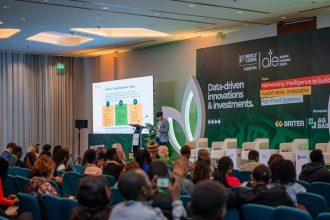
The meeting, hosted by Resilience Action Network Africa and Resolve to Save Lives, brought together civil society actors working in health, climate, gender, youth, and community resilience.
The groups emphasized that disease surveillance is not just technical but depends on trust, inclusion, and strong community engagement. They also highlighted the need to integrate local and indigenous knowledge into early warning systems.
The declaration reaffirmed health as a human right and called for stronger, integrated systems linking communities, health facilities, laboratories, and emergency response mechanisms.
Call for domestic financing and accountability
Civil society urged governments to increase domestic health financing, including honoring the Abuja Declaration commitment to allocate at least 15 percent of national budgets to health.
They also called on regional bodies such as the African Union and Africa CDC to strengthen cross-border surveillance, harmonize standards, and ensure accountability through regular progress tracking.
The groups further pushed for reduced dependence on donor funding by building sustainable, locally financed preparedness systems by 2040.
Development partners and the private sector were urged to provide predictable, long-term support aligned with national priorities while respecting African leadership.
Civil society organisations pledged to continue advocating for stronger systems and to reconvene within a year to assess progress.
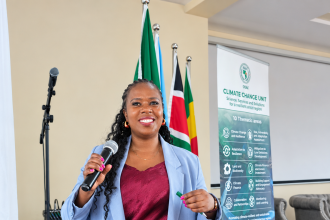
Speaking at the meeting, Aggrey Aluso, Executive Director of Resilience Action Network Africa (RANA), emphasised the need for African governments to take full ownership of epidemic preparedness through sustainable financing and community-driven approaches.
Other speakers warned that gaps in surveillance systems continue to contribute to preventable deaths, urging a shift from commitments to implementation.
Diana Tibesigwa, Regional Advocacy and Policy Manager for East and West Africa at AIDS Healthcare Foundation, stressed the shrinking space for civil society:
“We need to strengthen and emphasise the role of civil society because that space is shrinking, both in financing and civic participation; our voices seem not to be wanted, yet it’s very critical,” she said.
She added that the declaration should continue to affirm the contribution and role of civil society, noting that part of their work involves strengthening community-based organizations, including supporting pandemic response and preparedness.
Collaboration, data, and local ownership
Dr. Mary Kariuki, Animal Health Coordinator at the African Union, underscored the need for political backing. “If it is not endorsed by the heads of state, it remains just that. As long as it stays here without endorsement, it is just ‘butter paper,’” she said.
Also on the panel, Dr. Lydia Otiso, Executive Director of LVCT Health and Chair of the Health NGOs Network (HENNET), called for inclusive and integrated approaches:
“We believe in a whole-person approach; the solutions to pandemics are largely the same. Community data is data it does count. The priority is ensuring it is usable so it informs decisions,” she said.
“A lot of it is about co-creation and working with communities themselves and building the capacity of local organizations to advocate for change.”
Aluso reiterated that the declaration was a bold and timely call to action, “All ministries have a role to play, finance, trade, health, and beyond but without political will, these remain just good words.”