



By Lenah Bosibori
As the world prepares to mark the International Day to End Obstetric Fistula on May 23, health experts are raising concern over the growing number of women developing iatrogenic fistulas after surgery, including Caesarean sections and other abdominal operations.
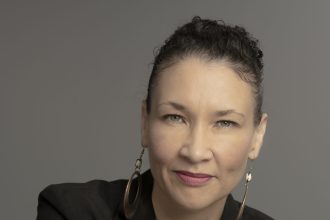
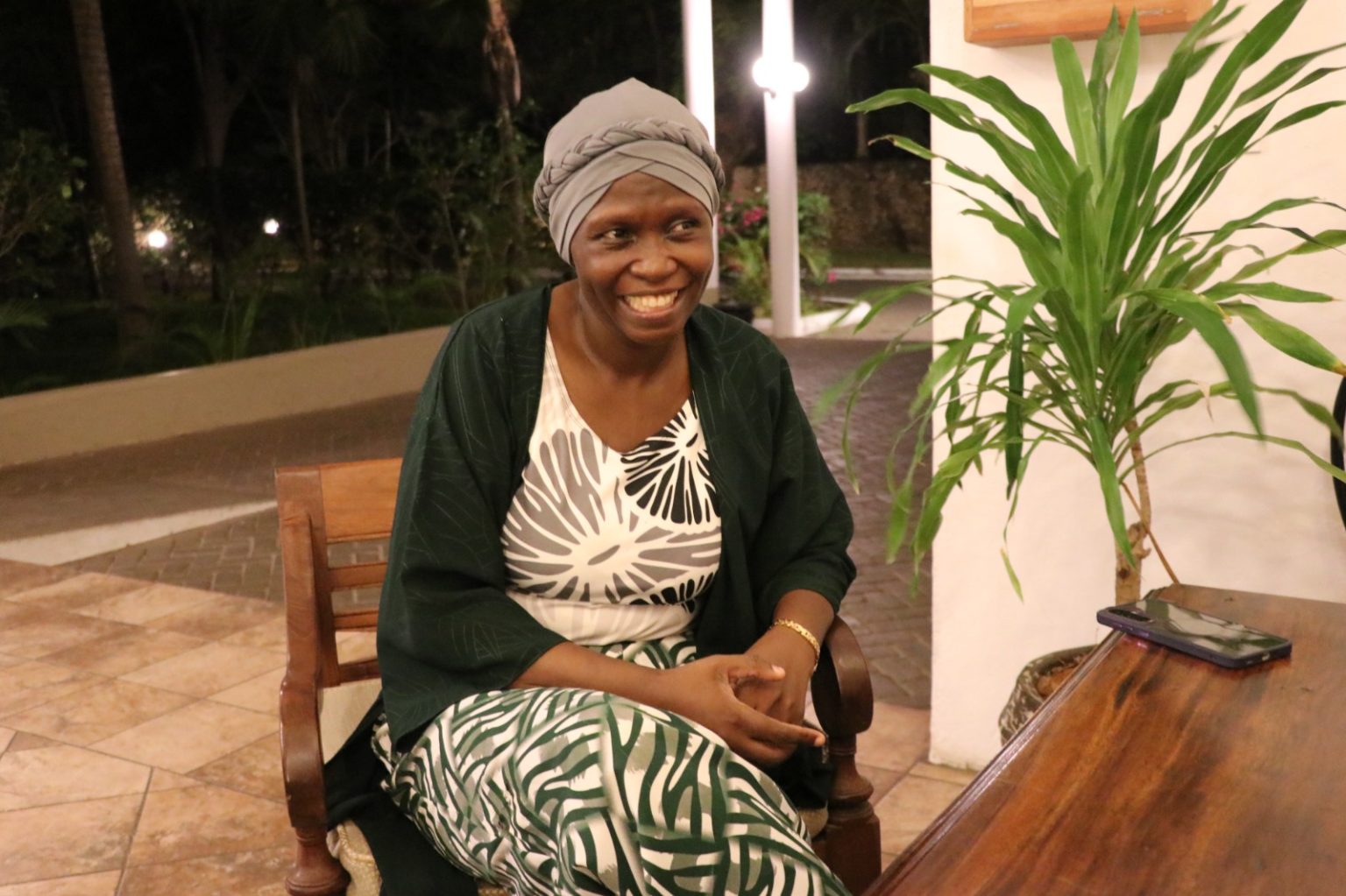
Habiba Corodhia Mohamed, Founder and Lead Director of Women and Development Against Distress in Africa (WADADIA), is a psychologist and program specialist who has spent the last 21 years helping women living with fistula access free treatment, rebuild their lives, and restore their dignity says iatrogenic fistulas caused by surgical procedures, are on the rise in Kenya
“While Kenya has made progress in reducing obstetric fistula caused by prolonged obstructed labour, iatrogenic fistula, injuries caused during surgical procedures such as Caesarean sections, are on the rise,” she says. “Sometimes during surgery, mistakes happen and organs such as the bladder may accidentally be injured,” she says. “That is what we call iatrogenic fistula.”
She adds that the growing number of such cases is raising serious concerns about the quality, safety, and standards of maternal healthcare services.
Obstetric fistula is a severe childbirth injury that occurs when prolonged or obstructed labour goes untreated, causing tissue damage that creates an abnormal opening between the birth canal and the bladder or rectum.
WADADIA supports vulnerable women and girls by protecting their health, dignity, mental wellbeing, and socioeconomic rights. Mohamed previously worked with the Fistula Foundation for almost 11 years before continuing her advocacy through WADADIA.
This year’s global theme, “Her Health is a Right: Invest in Ending Fistula and Childbirth Injuries,” highlights the urgent need to strengthen maternal healthcare systems and prevent childbirth related injuries that continue to affect thousands of women across Africa.
“In rural areas, women have been encouraged to go to hospitals to give birth, but now we are asking ourselves whether the systems are working properly and whether women are truly safe during operations,” she says.
When labour lasts too long, the baby’s head presses continuously against tissues in the birth canal, cutting off blood supply. Without oxygen and circulation, the tissues begin to die and rot, eventually leaving a hole between the birth canal and the bladder or rectum.
The condition causes continuous leakage of urine, stool, or both. “We usually say the sun should not set twice while a pregnant woman is still in labour,” Mohamed explains, referring to labour lasting beyond 24 hours.
According to her, fistulas can be classified based on either their cause or the organ affected. When classified by the organ affected the most common ones include,
• Vesicovaginal fistula (VVF): A hole between the bladder and the vagina that causes continuous leakage of urine.
• Rectovaginal fistula (RVF): A hole between the rectum and vagina that causes stool or gas to pass through the vagina. They pass stool via their birth canal or gas or flatus accompanied by particles of stool via the birth canal.
When classified by cause, fistulas may be described as obstetric, iatrogenic, traumatic, congenital, or disease-related. Obstetric fistula results from prolonged obstructed labour, while iatrogenic fistula occurs as a complication of surgery or medical procedure
“A woman with vesicovaginal fistula passes urine continuously without control,” Mohamed says. “It can happen while she is walking, sleeping, or sitting.”
She reiterates that many women living with fistula lose bladder control completely and may not even feel the urge to urinate because the urine leaks continuously.
“If a woman starts leaking urine continuously after giving birth, she should go to a health facility for proper examination instead of assuming it is normal,” she advises.
Childbirth Without Skilled Care
In many remote communities across Kenya, some women still give birth at home without skilled health workers or access to emergency obstetric care. Others spend days in labour before reaching a hospital.
These delays continue to expose women to preventable childbirth injuries.
Weak maternal healthcare systems across rural Africa remain a major driver of obstetric fistula, even as governments continue pushing for Universal Health Coverage (UHC).
The condition is closely linked to:
• Lack of emergency obstetric services
• Delays in accessing hospitals
• Poverty
• Harmful cultural practices
• Shortage of trained healthcare workers
According to the United Nations Population Fund (UNFPA) Her Health, Her Right: Building a Future Free from Fistula, Kenya records an estimated 3,000 new fistula cases every year. Before major intervention programmes began, only about 1,000 fistula repair surgeries were being performed annually, leaving thousands of women untreated.
Globally, an estimated 457,000 women are currently living with obstetric fistula, with the highest burden in sub-Saharan Africa. The region has an estimated prevalence rate of 71 cases per 100,000 women, nearly double the rate in Asia. Global, regional and national estimates of obstetric fistula prevalence
Further, Kenya’s maternal mortality ratio remains high at about 355 deaths per 100,000 live births as per the ministry of Health, while sub-Saharan Africa accounts for nearly 70 percent of global maternal deaths, according to Kenya’s National Council for Population and Development (NCPD), based on the 2019 Census analytical report: Mortality Rates Kenya
Even as Kenya has made progress in increased access to fistula surgeries compared to other countries in Africa, access to emergency obstetric care remains limited. Currently, Kenya has16 health facilities across the country offering fistula treatment services according to Mohamed.
Before 2014, Kenya had a very limited number of known fistula surgeons, fewer than five nationally. With the entry of Fistula Foundation in 2014, Mohamed and the then PM Lindsey Pollaczek supported the design of the first Fistula Foundation Treatment Network, a first-of-its-kind model in Kenya that helped change the fistula treatment landscape by moving care from isolated surgical efforts to a coordinated national network.
The network brought together a community of fistula care experts and was built around three key goals: establishing strategically located fistula treatment centres across the country, strengthening community outreach because women cannot be treated if they do not show up, and building the capacity of healthcare workers within those centres.
Through this approach, the Foundation was able to train approximately 12 surgeons and over 50 nurses in fistula care and management. These surgeons are strategically located across different treatment centres, including Eldoret, Kisii, Narok, Kapenguria, Kitale, Vihiga, Busia, Malindi, Mombasa, Garissa, and Nairobi. Based on this distribution, only about three of the trained surgeons are based in Nairobi which has helped grow and decentralize fistula surgical capacity across the country.
FGM and Traumatic Injuries
Mohamed clarifies that Female Genital Mutilation (FGM) does not directly cause fistula, but it significantly increases the risk.
FGM causes scarring that reduces tissue elasticity and limits the birth canal’s ability to stretch during labour, increasing the chances of obstructed labour and fistula formation.
She highlights Type III and Type IV FGM as major risk factors because of the severe tissue damage involved.
Fistula can also result from traumatic injuries, including:
• Sexual violence and defilement
• Road accidents
• Animal attacks
• Injuries caused by sharp objects
“A young girl who is defiled can suffer severe injuries that damage the bladder,” Mohamed says.
Another emerging category is fistula linked to cancer treatment, especially radiotherapy, where radiation damages healthy tissues and creates abnormal openings between organs.
Beyond the physical injuries, Mohamed says fistula deeply affects women emotionally, socially, psychologically, and economically.
“When a woman leaks urine continuously, the smell becomes difficult to manage and many people isolate her,” she says. “Some women are abandoned, stigmatized, or forced to hide at home.”
Years ago, women living with fistula were often labelled witches or cursed. “That stigma made many women hide in their homes instead of seeking treatment,” Mohamed says.
Although awareness has improved, many women still do not know where to seek treatment, while others fear rejection from partners and family members.
Mohamed is urging families to stop marrying off girls early and encouraging pregnant women to seek skilled medical care instead of relying solely on traditional birth attendants.
“Fistula can be treated and prevented,” she says. “It is not witchcraft. It is a medical condition and a sign that healthcare systems are failing women.”
As a result of poor access to treatment, stigma, and limited awareness, many women across Kenya continue to suffer in silence with a preventable condition that experts say should no longer exist in modern healthcare systems.