




By Lenah Bosibori
As development funding tightens and climate risks grow, African agricultural innovators are looking beyond donor grants to build businesses that can survive on their own. From getting farmers paid faster to using artificial intelligence to deliver advice in local languages.
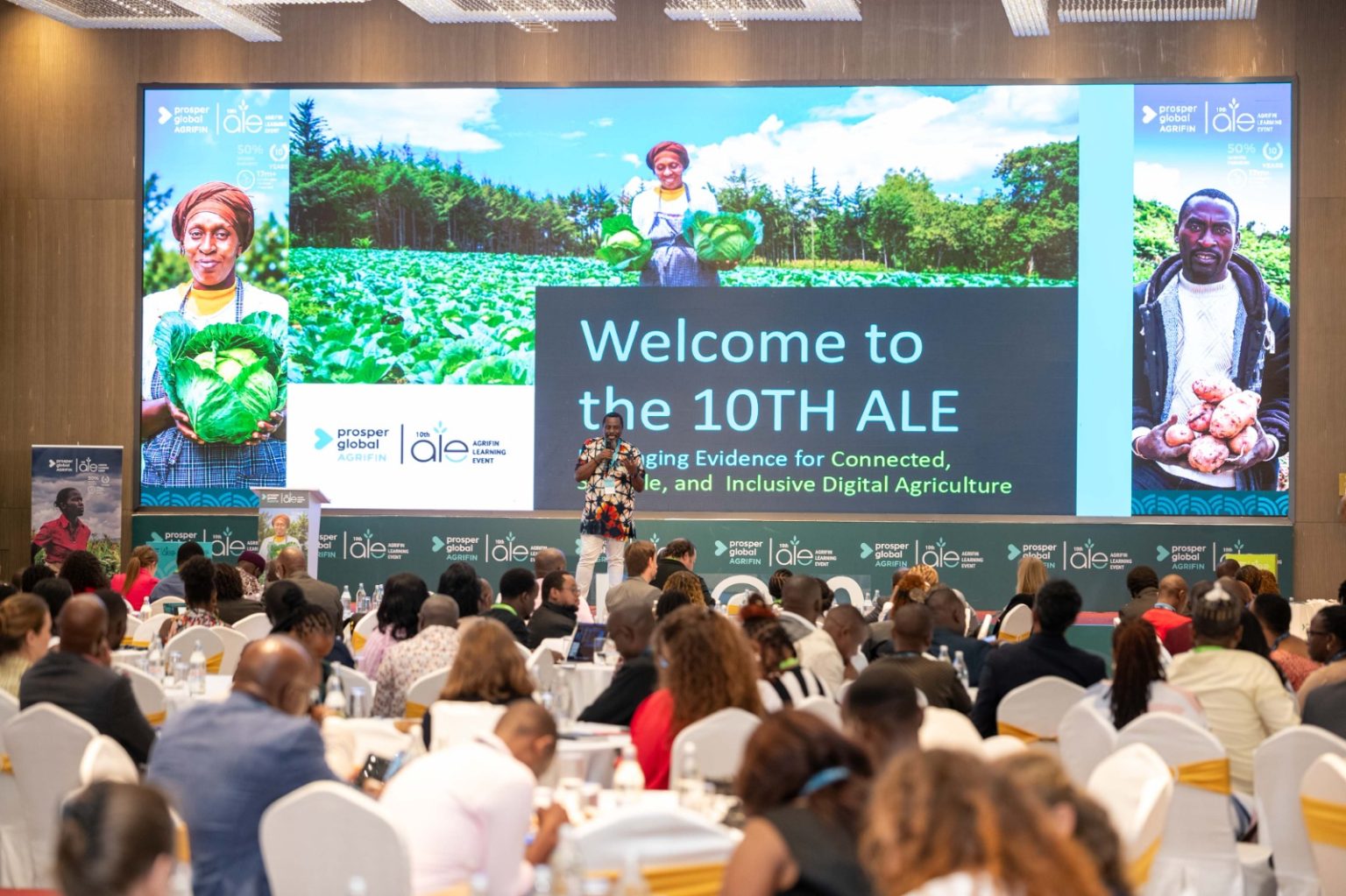
Speaking in Nairobi during the 10th AgriFin Learning Event, Sieka Gatabaki, programme director at Prosper Global AgriFin, said the future of agricultural development depends on building systems that generate income, make better use of existing resources and ensure money and information reach farmers when they need them.
“What we do expect is that due to the reduction in free money, we will see an increase in business models that are sustainable from the word go,” he said.
The challenge is in the agricultural supply chain, where delayed payments can leave small businesses struggling to pay farmers even after their produce has been sold.
Shortening payment periods could ease pressure on processors, reduce their reliance on expensive short-term loans and put money into farmers’ hands sooner without requiring additional donor funding.
Agricultural development requires more than new technology and funding. Farmers also need reliable buyers, affordable finance and businesses capable of continuing to serve them after donor support ends.
Building businesses that can survive beyond aid
Gatabaki said the changing funding environment has pushed development organizations and agricultural technology businesses to rethink how they operate. Rather than depending mainly on grants.
The shift matters because many agricultural innovations require continued investment to reach farmers. Digital platforms must maintain their services, gather reliable information, and work with organizations that can deliver advice and financial services to rural communities.
“When funding ends, those services risk disappearing unless there are sustainable ways to pay for them,” reiterated Gatabaki. He pointed to digital payment and cash advance solutions, including VunaPay, as examples of approaches that could help farmers and agricultural suppliers access money more reliably.
He also urged stakeholders to make better use of existing infrastructure instead of continually financing new facilities and technologies. “Warehouses, cold storage facilities and processing plants may offer opportunities if the barriers preventing their effective use can be addressed,” he said.
Markets are equally important. Farmers may receive better agricultural advice or increase production, but their efforts will not necessarily improve their incomes if they cannot find buyers or receive payment on time.
“Revenue is the cheapest money a business can get,” Gatabaki said, arguing that agricultural businesses need opportunities to earn income rather than depend indefinitely on external funding.
Governments could help create markets through procurement, he added, while stronger partnerships between investors, businesses, development organizations and public institutions could address gaps that individual projects cannot solve alone.
Jasmina Lipovic, Global Finance Operations & Compliance Director, Prosper Global Agrifin, said the closure of some programmes represented a transition rather than an end to the organization’s work.
“We built strong relationships with banks, with agribusinesses, and tech companies to ensure that they can carry on with digital service delivery to smallholder farmers on their own,” she said.
The challenge is to turn successful projects into services that businesses can afford to maintain, and farmers can continue to use.
Using data to make agriculture less risky
Access to finance remains a major barrier for smallholder farmers. Lenders often consider agriculture risky because harvests depend on weather, rural infrastructure is limited, and assessing thousands of individual farmers can be costly.
Banks may find it easier to lend to an established company than to thousands of small farmers whose financial records and production histories are difficult to assess. “Without reliable information, lenders may hesitate to provide credit or require collateral that farmers do not have,” said Lipovic
Digital technology can help bridge some of these information gaps by bringing together data on farming activities, weather, potential yields and other factors relevant to lending decisions.
Elias Nure, AgriFin’s Global Digital Climate Smart Agriculture Director, cited Lersha, an agricultural digital platform in Ethiopia, as an example of how data can help expand access to finance.
According to Nure, Lersha grew from an initial pilot involving 300 farmers in one location to 100,000 farmers. New datasets helped lenders become more comfortable extending loans without traditional collateral.
The example illustrates how better information can help financial institutions understand farmers and assess agricultural risks. However, access to data alone does not guarantee affordable loans. Lending decisions, repayment terms and farmers’ ability to earn income remain important.
“Reliable information can also help farmers decide when to plant, which inputs to use and how to prepare for changing weather conditions, said Nure. “As climate shocks threaten harvests and incomes, such decisions can influence whether farmers protect their investments or suffer losses.”
Can artificial intelligence speak the farmer’s language?
Artificial intelligence is creating new opportunities to deliver agricultural advice, but its direct use among smallholder farmers remains limited.
Gatabaki said fewer than 10 per cent of the more than 20 million farmers reached through AgriFin’s broader work in Africa were directly using AI solutions. Most were early adopters with access to smartphones.
“For AI to benefit more farmers, technology providers must address barriers that prevent many rural communities from using digital services. These include language, literacy, internet access and the cost of maintaining the services,” said Gatabaki.
“One of the things that we are very hopeful with AI is that it will enable us to bridge a significant gap, it has the ability of the digital channel to speak to the farmer in their own language,” Gatabaki said.
Local language support could make technical advice easier to understand and use. A farmer who receives information in a familiar language may be better placed to understand a weather warning or follow guidance on managing a crop.
Nure said AgriFin works with public and research organizations to help validate information used by digital systems. “In Kenya, the programme draws on weather information from the Kenya Meteorological Department and agricultural guidance from the Kenya Agricultural and Livestock Research Organization (KALRO) to develop locally relevant advice,” added Nure.
For farmers with limited internet access or low digital literacy, smartphone applications are not always the best option. Nure said some partners use Interactive Voice Response systems and recorded audio messages to deliver information to people who may struggle with text-based services.
Across the African countries where AgriFin works, farmers face different weather patterns, crops, languages and levels of digital connectivity. A service designed for one location may not meet the needs of another.
Nure said digital climate services could help farmers prepare for changing conditions through short term weather forecasts, seasonal predictions and information about emerging weather patterns.
However, forecasts must be relevant to local farming conditions and delivered early enough to guide decisions. Farmers need to know not only what the weather might do, but also what it means for planting, harvesting, irrigation and protecting their crops.
Technology cannot prevent droughts or stop erratic rainfall. But timely and understandable information can help farmers prepare, provided they also have the resources to act on it.
Faster payments could connect the whole system
Beyond digital advice and access to credit, payment systems could help agricultural businesses and farmers operate more efficiently, including when they trade across borders.
Better cross border payment systems could help farmers and agricultural businesses receive money more efficiently when selling produce beyond their home markets. However, greater interoperability and access are still needed.
The immediate challenge begins much earlier in the supply chain. When large buyers delay payments, smaller processors can struggle to pay farmers, even when the produce has already been sold. This weakens the businesses connecting farmers to markets and increases pressure on households that depend on agriculture for their income.
“Shortening payment periods, improving access to finance and helping businesses find reliable buyers could therefore benefit the wider agricultural value chain,” added Gatabaki.
For African agriculture, the transition away from grant dependent projects is not simply a question of finding new sources of money. It is about building systems in which farmers can access reliable information, obtain affordable finance, sell their produce and receive payment on time.
The fundamental test is whether these innovations help farmers and agricultural businesses earn enough to keep operating after the initial funding runs out. That will depend on stronger markets, dependable payment systems and partnerships that connect finance, technology and the realities of farming.