




By Edwin Austin
There’s a moment in history when the ordinary collides with the extraordinary, a moment when entrenched systems shift gears, and a new trajectory is carved.
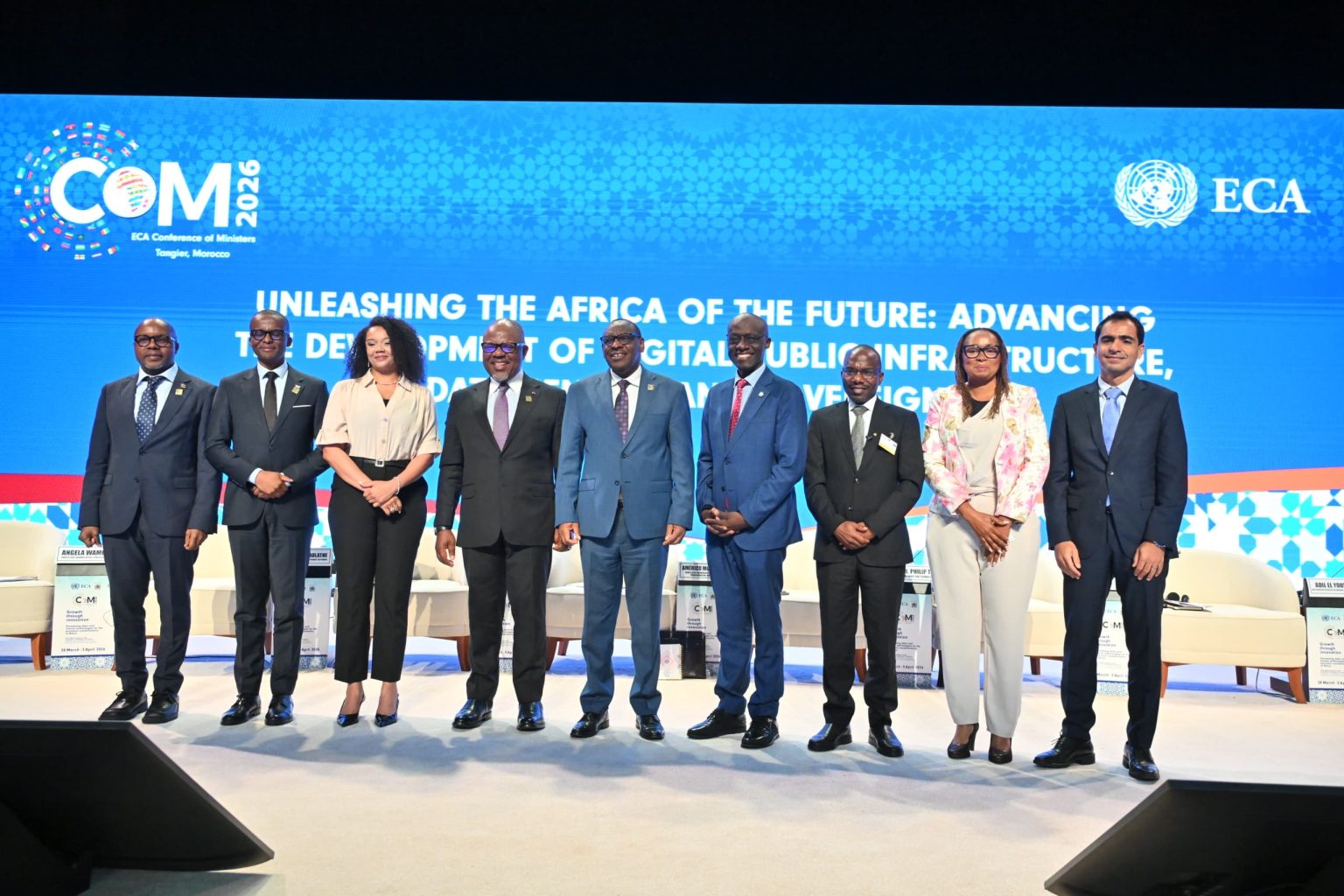
That moment unfolded in Tangier, Morocco, far from the usual tech hubs but at the very heart of Africa’s economic command, during the ministerial conference of the Economic Commission for Africa, which ended on the 3rd of April.
For the first time, technology was not an afterthought or a sidebar matter discussed at the edges of other matters. It was the main conversation, the centrepiece, and a bold declaration emanated.
Finance ministers, industry leaders and renowned technology experts agreed that frontier technology infrastructure has to be recognised as a public good and strategic asset, marking a decisive shift in how the continent approaches growth, sovereignty, and inclusion in the digital era.
One might wonder, then, why this matters. This is because Africa’s story has long been told as one of potential held hostage by circumstance, rich in resources, youth, and ambition, but struggling to translate these into sustained innovation and economic transformation.
Suffice it to say, finance ministers, central bank governors, and global leaders gathered in Tangier, Morocco to rewrite that narrative.
The Tangier Declaration that emerged is more than just policy. It is a manifesto framing technology infrastructure as a sovereign asset, something nations don’t just want but must have. This is a call to action for governments to fund AI stacks, data centres, and digital ecosystems with the same urgency as highways and hospitals.
It pushes for renewable energy-powered digital infrastructure and places the continent’s abundant clean energy resources front and centre. It also demands investment in research and development, calls for strengthened cyber protections, and insists on public-private partnerships that put African innovators in the driver’s seat.
Yet, as electrifying as this vision is, its heartbeat depends on one crucial factor of implementation. Advocacy on paper must morph into a budgeted reality. Intent must translate into institutional muscle.
Why does this often fail? Because too often, the mechanisms underpinning progress, and that is budgets, procurement pipelines, and data systems, remain relics of the past. Funding for national statistical offices, the unsung heroes responsible for the data that fuels AI and policymaking, is chronically insufficient.
Procurement systems frequently sideline African-built solutions, favoring imported technology that siphons away economic value. So what now? The ideas born in Tangier are ripe with promise, but the journey ahead is daunting.
It requires finance ministries to champion tech infrastructure fiercely, to rethink how budgets prioritise innovation. Procurement reforms must unlock doors for African enterprises, turning policy into tangible opportunities. Statistical offices need revolutionary support to become the data engines of tomorrow.
My dearest reader, let it be sufficient to say that the Tangier conference was a lightning rod, a convergence of vision, policymakers, and sectors converging at a critical inflexion point.
The stakes could not be higher. Africa is stepping up, no longer content to be a consumer in the global tech race but aspiring to be the architect.