




By Kagondu Njagi
ADDIS ABABA, Ethiopia: The song and dance that energized African youths at the heart of Addis Ababa, Ethiopia, was agitating for food systems policy reforms. But it also had a generational ring.
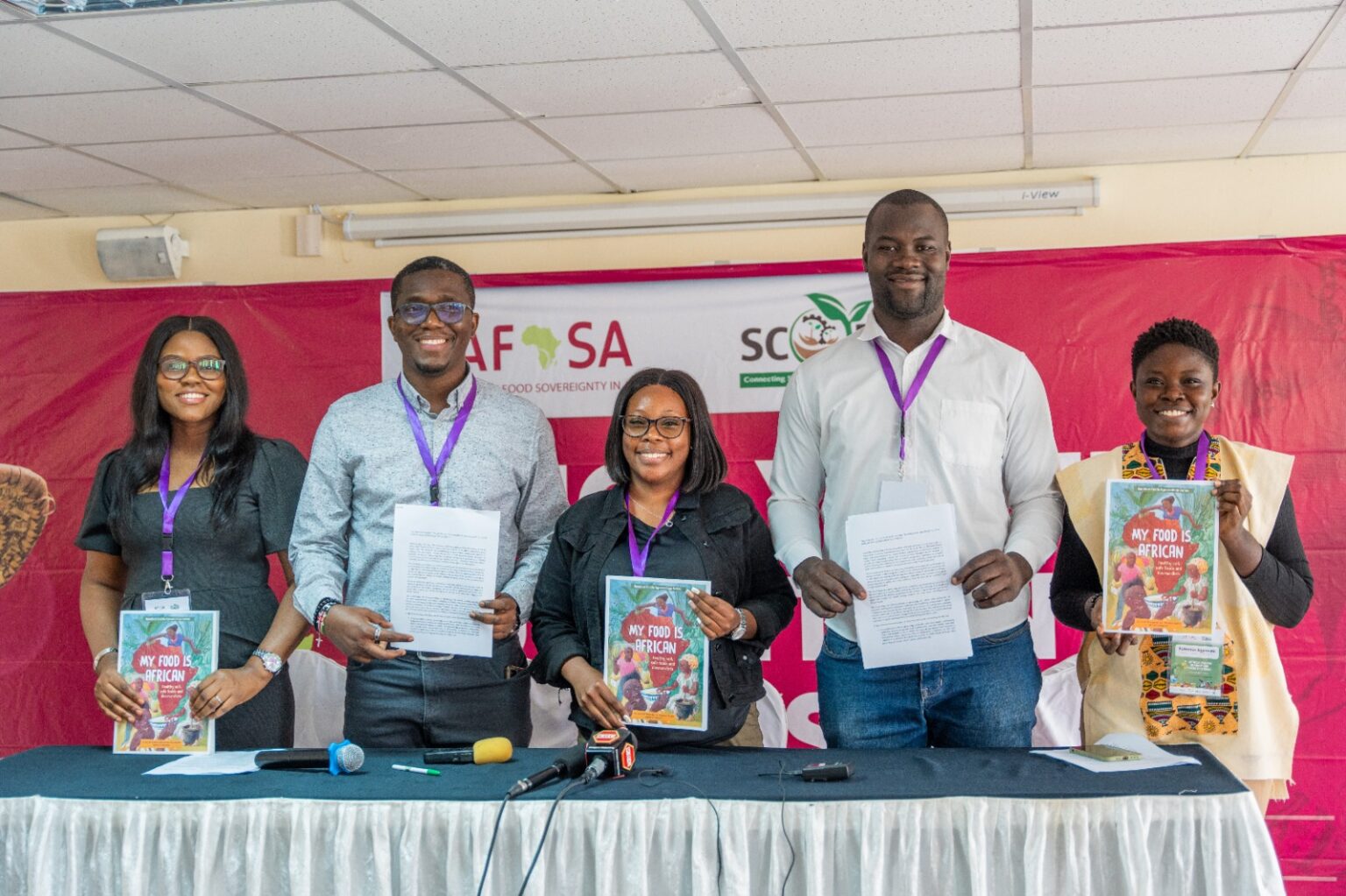
Coming from about 45 countries, they were holding the first African youth summit on food systems and agroecology to hammer out solutions on how to fix the continent’s troubled agriculture.
Top on their agenda was pushing for agroecology to be included in Nationally Determined Contributions and National Adaptation Plans as it is both an adaptation and mitigation tech. But there was also a generational ask, according to Melissa Takudzwa Murwira, an activist with the Young Volunteers for the Environment in Zimbabwe.
“We believe as the current generation there is no tomorrow or a future for us. We want to make sure that the generations to come have a sustainable environment and also when it comes to food security, they are in full control of their food systems, what they eat from production to consumption,” said Murwira, with a conviction that flipped open the continent’s lobbying troubles.
Africa is struggling with a food systems crisis where climate change is worsening hunger, nutritional deficiency, environmental shocks and cultural erosion. Veiled within this mix is fatigue in food and environmental activism as the continent faces an aging civil society generation, according to Million Belay, the general coordinator at the Alliance for Food Sovereignty in Africa (AFSA).
The fallout within this context is a civil society space that is stagnating in the battle against industrial and unsustainable farming practices. Gaps in activism against these systems have fueled pandemic outbreaks due to agricultural encroachment into wildlife habitats, while industrial farming is giving Africa nutritionally poor food, he said.
“I think the activists, if I speak about myself and my friends in Africa, those who are active in speaking about the food situation in Africa are older now. So, we need a new generation of activists, those who are fighting for the continent,” said Belay, whose organization is the largest civil society in the continent representing more than 200 million Africans.
An aging generation of food and environment activists is both good and bad for the continent’s civil society movement. On the good front, young activists have gained mentorship from the veterans’ experience, according to Lensa Girma, the coordinator of Youth in Agroecology Learning and Business Track Africa (YALTA) in Ethiopia.
Girma, who studied agriculture at university, has grown up knowing stereotypes that brand African youth as a generation that worships western hip-hop culture that looks down on agriculture as the poor man profession.
But her time with older African agriculture activists has taught her that the youth can tap their vibrancy to navigate these stereotypes and political games to take leadership in lobbying for sovereign and healthy food systems.
“As youth of this generation we are lucky enough to have a space where we can discuss our problems and document evidence for the coming generations because we have the technology and media that the older generation did not have,” said Girma.
The legacy of networks and relationships that the veterans have established with the development community have laid the foundation by which youth-led projects can fundraise,” argues Salma Yassin, the project manager at the nonprofit, Sustainable Agriculture Tanzania.
In a highly dynamic development space competing for donor dollars with global geopolitics and humanitarian crisis, there is growing demand for forward looking projects aiming for self-sustenance in the long-term.
That requires well curated and high-quality project proposals that unexperienced youth struggle to put together. It also requires soft skills that cement trust among donors. The older generation have provided these and more, according to Yassin, adding that the younger generation are bringing in tech-savvy perspectives that can transform operations to better respond to today’s food and environmental challenges.
“As an essential toolkit in development work, proposal writing is something that veterans teach the youth by integrating them in institutional leadership positions. That has worked in protecting the erosion of wealth of knowledge in activism for many of us,” said Yassin.
While activism in agriculture and environment is critical in protecting African agriculture from encroachment by multinational companies, the passing of skills to the young generation on how to utilize locally available resources in the right quantities, is something that the veterans can be credited for, according to Claire Nasike, the founder of Kenya’s Hummingbird Foundation.
That has not played out in some African countries, where the youth claim they are excluded from institutional decision making. In situations like these, where intergenerational knowledge has not been passed on, the youth risk being manipulated through global food politics to advocate for food systems that are dependent on industrial agriculture value chains, said Nasike.
“In terms of advocacy and activism, there is a lot of work to be done as multinational companies seeking to control agriculture in Africa are pulling young people to advocate for the use of pesticides, hybrid certified seeds and fertilizers in agriculture which equates to control of food systems. It is therefore critical that knowledge of farming stays within communities and through young people,” said Nasike.
At the African youth summit on food systems and agroecology which brought together about 1,000 delegates, there was consensus that African youth need to take over the reins of leadership in agriculture and environment to bridge the aging generation gap.
That comes with risks, including fear that change in leadership could impact efficiency due to conflict over generational divides and fuel uncertainties in donor priorities due to the perception that the incoming generation lack experience, according to experts.
In a situation where local organizations in agriculture and environment are already struggling to access funding due to donor restrictions, youth and women-led projects have not been spared extreme scrutiny by donors, according to Solange Bandiaky-Badji, the coordinator and president at Rights Resources Initiative, or RRI.
In her experience working with environment and conservation groups in Africa, she has witnessed this lack of trust by donors and lack of inclusivity for youth and women-led projects, and that makes her combative on this front.
“What we are realizing is that a lot of women and youth organizations are not receiving funding while they are very involved in climate and conservation activities. This funding has to be accessible,” said Badji.