



By Lenah Bosibori
Researchers at the Johns Hopkins Malaria Research Institute at the Johns Hopkins Bloomberg School of Public Health have warned that conflict, displacement and climate change are accelerating malaria transmission globally.
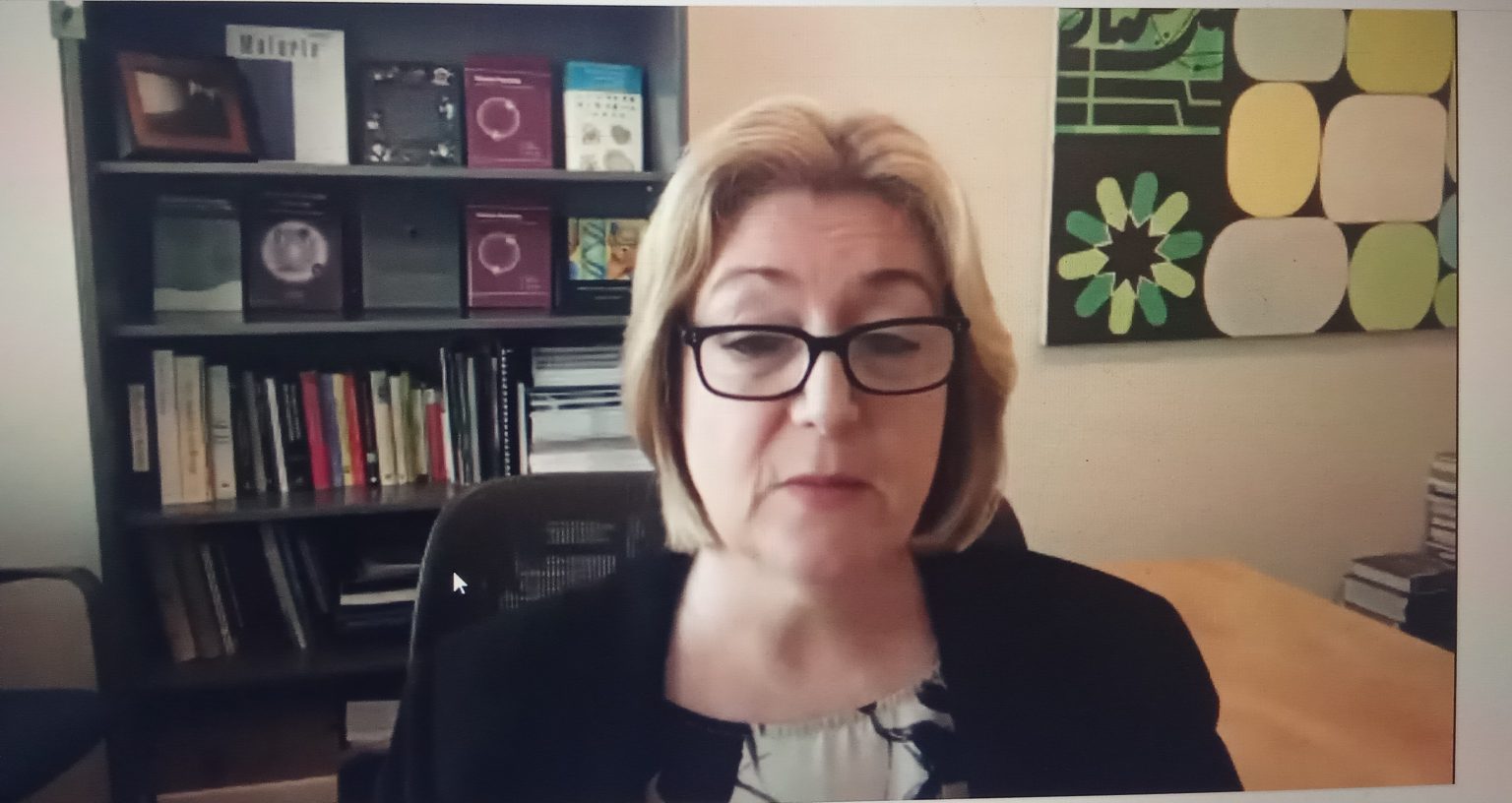
Speaking during a high-level briefing hosted by the institute, global health experts examined the evolving fight against malaria, including the rollout of new vaccines, rising infection trends, and the impact of shifting global health funding.
Professor Jane Carlton, Director of the institute, noted that in 2023 alone, an estimated 80 million people were displaced in malaria-endemic regions, while rising temperatures and extreme weather are expanding mosquito habitats into new areas.
“The disease continues to impose a massive burden, with an estimated 280 million cases and 600,000 deaths recorded in a single year, most affecting children under five,” said Prof. Carlton, who is also a Bloomberg Distinguished Professor in Molecular Microbiology and Immunology and Biomedical Engineering.
She warned that malaria remains endemic in 80 countries, with nearly half located in Africa. Five countries Nigeria, the Democratic Republic of Congo, Uganda, Ethiopia and Mozambique account for half of all global cases.
Professor Carlton described malaria as one of the world’s deadliest infectious diseases, ranking among the “big three” global health threats. She explained that malaria is caused by a parasite transmitted through infected mosquitoes, involving multiple parasite and vector species. While treatable if diagnosed early, progress toward elimination is increasingly under threat.
Rising Threats Reverse Hard-Won Gains
A growing list of challenges is reversing gains made over past decades. Experts pointed to rising resistance to artemisinin the frontline antimalarial drug now reported in several African countries, widespread mosquito resistance to insecticide-treated bed nets, and diagnostic failures linked to evolving parasite strains. The emergence of invasive mosquito species thriving in urban and warmer environments is also raising concern.
Funding cuts are further intensifying the crisis. Reduced global health financing, including the downsizing of the U.S. President’s Malaria Initiative, is already being linked to sharp increases in cases in several countries. Namibia reported 2.5 times more cases in early 2026 than in the whole of 2024, Nigeria recorded over 24 million cases in just nine months of 2025, and Mozambique has seen infections more than quadruple.
Despite these setbacks, Carlton highlighted important progress. Forty-seven countries and one territory are now malaria-free, including Egypt and Timor-Leste, while others are moving closer to elimination. New dual-active ingredient bed nets are being deployed, and researchers continue to develop new drugs, mosquito control tools, and vaccine candidates.
Vaccines Offer Hope, But Gaps Remain
On vaccines, Professor William Moss, Deputy Director of the institute and Executive Director of the International Vaccine Access Center, described malaria vaccine development as a decades-long scientific challenge.
“Two vaccines—RTSS and R21—are now available and can prevent tens of thousands of deaths annually,” he said, while stressing that they are not yet a complete solution.
He explained that both vaccines target the circumsporozoite protein on the malaria parasite, triggering an immune response with the help of adjuvants. The RTSS vaccine, first developed in 1987 by GSK and the Walter Reed Army Institute of Research, took 34 years to receive recommendation from the World Health Organization in 2021 due to scientific and regulatory challenges.
Clinical trials showed that four doses reduced malaria risk by 39 percent and severe disease by 31 percent in young children. The newer R21 vaccine, developed at the University of Oxford’s Jenner Institute, demonstrated higher efficacy and was recommended by WHO in 2023.
Moss emphasized that while vaccine effectiveness is modest compared to other childhood immunizations, the public health impact is significant given malaria’s high burden. He noted that Gavi, the Vaccine Alliance estimates that vaccinating 50 million children between 2026 and 2030 could save more than 170,000 lives.
However, rollout remains uneven. While 25 countries in sub-Saharan Africa have introduced malaria vaccines, several high-burden countries are still in early stages of adoption. Changes in global financing models, particularly under Gavi’s updated funding structure, may further shape how quickly countries expand access.
Experts also highlighted new tools such as dual-active ingredient bed nets, seasonal malaria chemoprevention programs, and emerging innovations including engineered mosquitoes and next-generation antimalarial drugs.
On surveillance, advances in genomic sequencing are transforming how malaria spreads and drug resistance are tracked. Evidence suggests that artemisinin resistance may now be emerging independently within Africa rather than spreading from Southeast Asia. Digital platforms such as ViewHub are also improving real-time tracking of vaccine rollout and disease burden.
As the briefing concluded, experts warned that without sustained global investment, gains against malaria could quickly unravel. While vaccines represent a historic breakthrough, they stressed that they are only one part of the solution, and that long-term progress will depend on strong health systems, consistent funding, and coordinated global action.