




By Suleiman Mbatiah
Livestock remains one of the most economically significant sectors across the Horn of Africa, contributing 14 percent of Gross Domestic Product (GDP) in Kenya, 47 percent in Ethiopia and nearly 85 percent in Somalia, according to regional estimates.
Regional authorities say integrating livestock markets under the African Continental Free Trade Area (AfCFTA) could unlock new value chains, expand exports and improve incomes for millions of pastoralist households across Eastern Africa.
Africa’s expanding market of 1.2 billion people, with a combined GDP of about $3.4 trillion (KSh438.6 trillion), is expected to drive strong demand for meat and livestock products across regional and continental markets.
Across the Intergovernmental Authority on Development (IGAD) region, livestock resources remain vast, with an estimated 473 million ruminants including 155 million cattle, 133 million sheep, 160 million goats and 24 million camels.
The region hosts about 60 percent of the world’s camel population, highlighting its strategic importance in global livestock production and trade, particularly in supplying meat and live animals to regional and international markets.
Officials say stronger regional coordination could, also, ultimately, enable IGAD member states to better position their livestock sectors to supply rapidly expanding markets in the Middle East, North Africa and parts of Asia.
The Middle East market alone is projected to reach about 870 million consumers by 2025, while Saudi Arabia’s meat sector is expected to grow at an average annual rate of 5.4 percent between 2024 and 2032.
The IGAD region currently supplies about 58 percent of live animals and nearly 10 percent of meat demand in Middle East and North Africa markets, underlining its growing importance as a major livestock exporter.
Despite this strong production base, policymakers say fragmented regulations, weak coordination and inconsistent sanitary and phytosanitary requirements continue to constrain the region’s ability to fully participate in continental and global livestock trade.
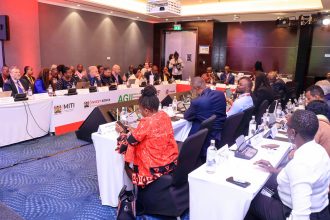
These concerns were highlighted at a regional consultations’ forum aimed at harmonising livestock movement permits, sanitary certification, vaccination records and halal certification to enable smoother trade under AfCFTA frameworks.
The consultations in Naivasha, Nakuru County, also focus on establishing mutual recognition agreements and standard operating procedures along key livestock trade corridors, including cross-border routes linking Kenya, Ethiopia and Somalia.
The convener, the African Union’s Inter-African Bureau for Animal Resources (AU-IBAR), says many cross-border livestock movements across the Horn of Africa remain governed by informal arrangements and unharmonised national policies.
“This consultation therefore represents an important step forward. It aims to move beyond policy dialogue and focus on developing practical instruments that can support the operationalisation of AfCFTA-compliant livestock trade,” said AU-IBAR Director Dr Huyam Ahmed.
Regional institutions say One-Stop Border Posts and harmonised veterinary certification systems could significantly cut border delays, ease administrative barriers, and accelerate cross-border livestock trade for exporters across regional markets.
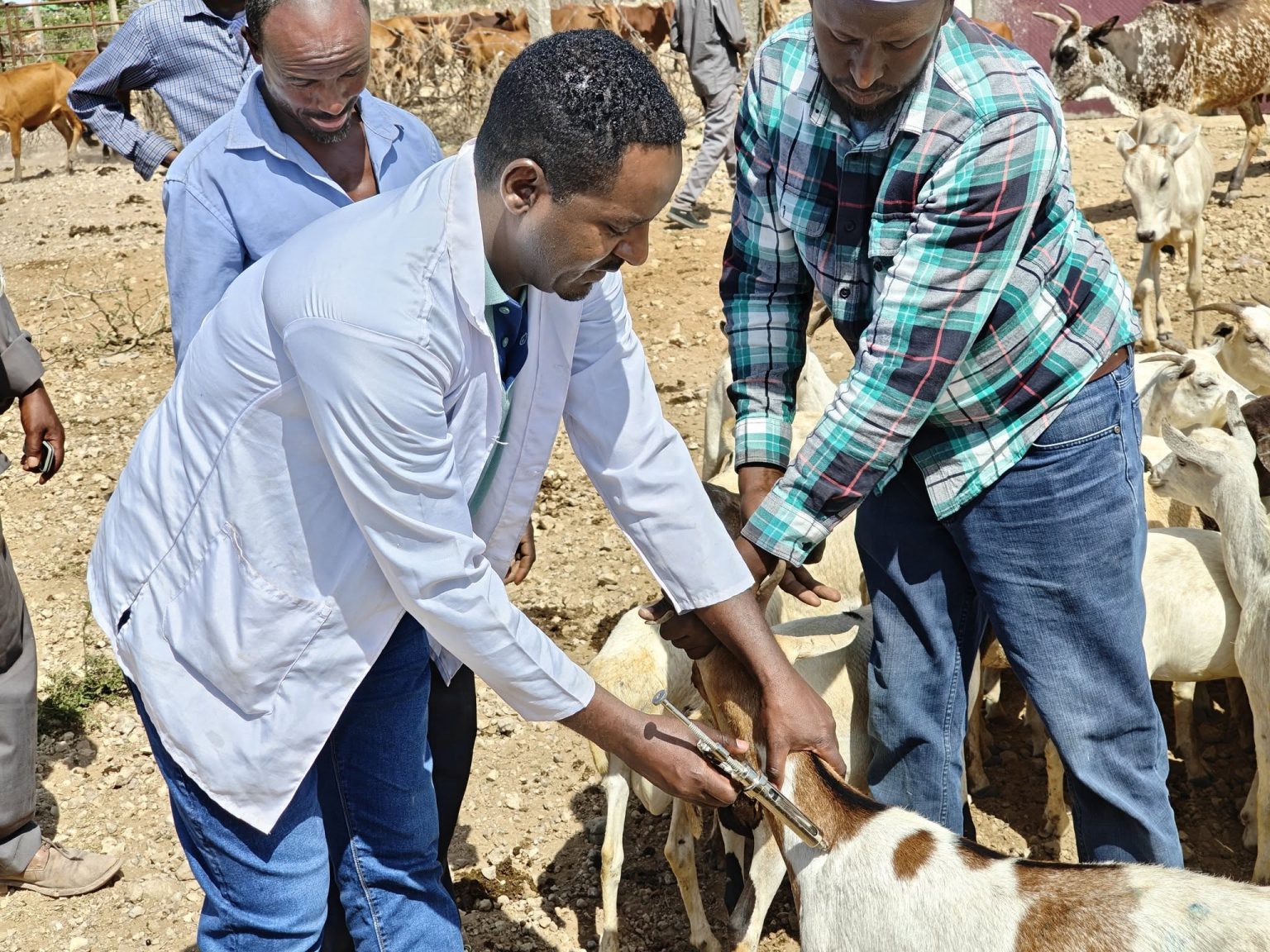
IGAD has already supported several bilateral agreements on cross-border animal health cooperation, including arrangements between Ethiopia and Kenya, Ethiopia and Somalia, and South Sudan and Sudan.
The regional bloc has also developed harmonised protocols on livestock identification and traceability, animal welfare guidelines and coordinated disease surveillance systems to support market access.
“Promote and facilitate sustainable and equitable drylands and livestock development in the IGAD region,” noted Yohannes Girma, senior Livestock Trade Expert and Regional Livestock Program (RLP)Coordinator at IGAD.
Officials say strengthening disease control measures and improving sanitary compliance will be essential to reducing export rejections and trade bans that frequently disrupt livestock shipments to international markets.
Additional proposals include establishing disease-free zones, harmonising minimum export prices among exporting countries and promoting value addition to improve competitiveness of African livestock products.
Policymakers also recommend stronger cooperation with importing countries to improve transparency on sanitary requirements, laboratory testing methods and certification procedures to build trust with trading partners.
Experts say successful implementation of AfCFTA livestock trade frameworks could transform pastoral economies by connecting producers to new continental and global markets while supporting livelihoods across arid and semi-arid regions.