


By Lenah Bosibori
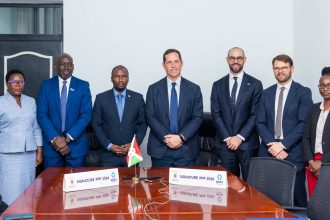
Kenya has launched a five-year initiative supported by Germany to mobilize private investment for biodiversity conservation and accelerate implementation of the country’s national conservation targets.
The Systemic Learning and Mainstreaming of Biodiversity (SYMBIOTIC) Project, funded through Germany’s International Climate Initiative (IKI), is being implemented in Kenya, Ethiopia, Madagascar, Indonesia and Kyrgyzstan under the global leadership of the Nature and Biodiversity Conservation Union (NABU Germany).
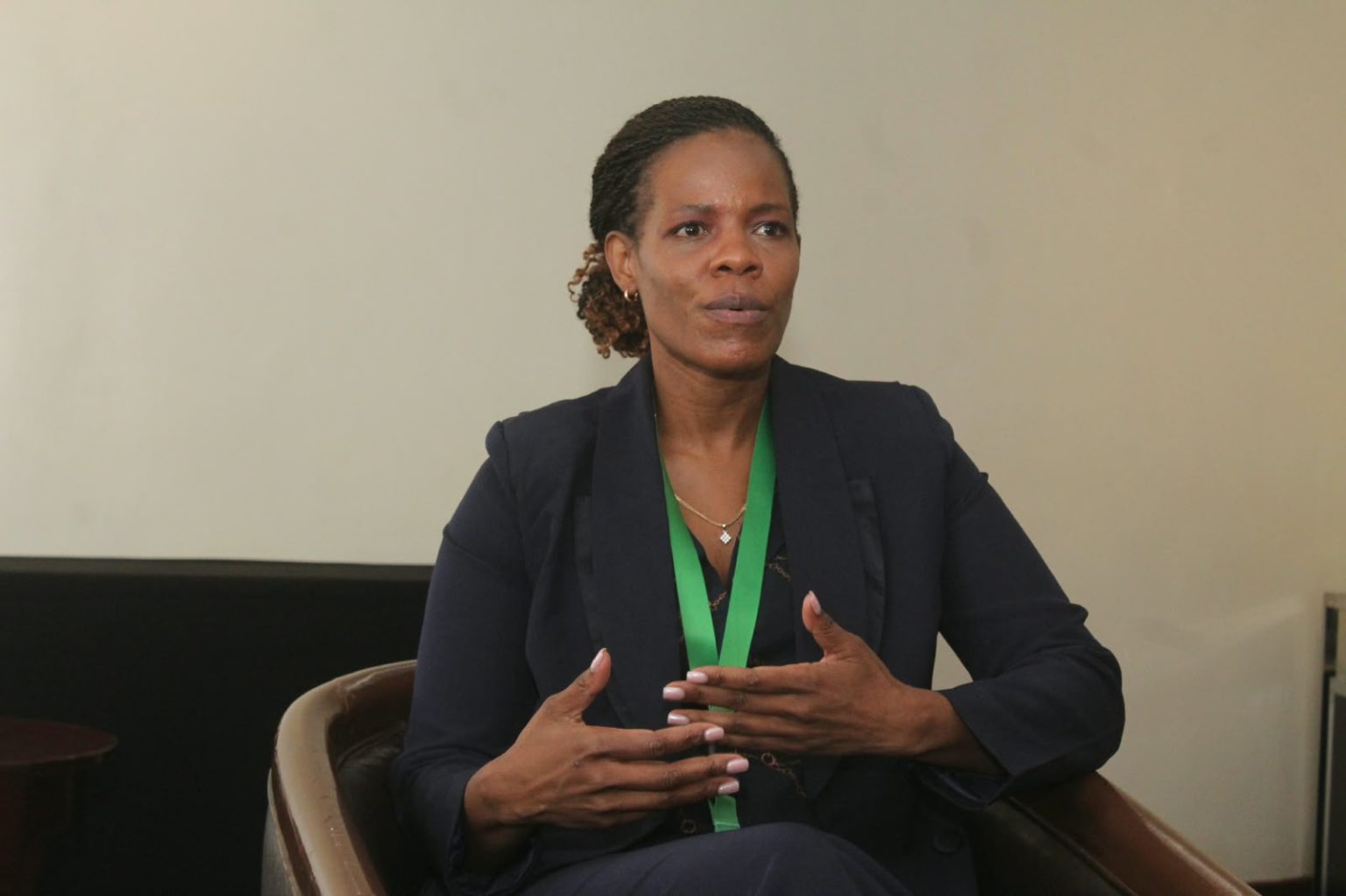
Speaking during the launch in Nairobi, Nagnouma Kone, Strategy and Partnerships Manager for Africa and Kenya Operations Lead at GGGI, said biodiversity conservation must increasingly be viewed as an economic priority and made relevant to commercial lenders and private investors.
“When it comes to biodiversity, only 5 percent of the national budget goes to conservation because it is not considered core. We have to think innovatively beyond traditional donor funding.”
Kone said the initiative will work with financial institutions to explore financing mechanisms such as green bonds, sustainability-linked bonds and debt-for-nature swaps to help attract more private capital to biodiversity.
In Kenya, the project brings together the Global Green Growth Institute (GGGI), Nature Kenya and Internews, with each partner focusing on policy, community conservation and communications.
GGGI will lead the project’s upstream policy and private-sector engagement, working with institutions including the Nairobi Securities Exchange (NSE), Kenya Bankers Association (KBA) and Kenya Private Sector Alliance (KEPSA).
The initiative seeks to integrate biodiversity considerations into corporate strategies, public budgets and commercial banking portfolios rather than relying primarily on donor grants and government funding.
According to data presented during the launch, about 48 percent of Kenya’s Gross Domestic Product (GDP) is dependent on nature and healthy ecosystems, which support sectors including agriculture, tourism, energy and water.
Despite this dependence, biodiversity has traditionally received limited attention in economic and investment planning.
Lavenda Ondere, Project Manager for SYMBIOTIC Kenya and Ethiopia at GGGI Kenya, said the organization is reviewing existing laws, tax regimes, subsidies and financial incentives to identify opportunities for increasing private investment in biodiversity.
“Our focus is on upstream policy and private-sector engagement. We are assessing existing laws, subsidies, and incentives to see how they can drive real investment into biodiversity sectors, bringing businesses directly into the conversation to accelerate the implementation of Kenya’s National Biodiversity Strategies and Action Plans (NBSAP).”
The project will also support Kenya’s efforts to implement its commitments under the Kunming-Montreal Global Biodiversity Framework (KMGBF) and its National Biodiversity Strategies and Action Plan.
Mayiani Saino, Deputy Director for Multilateral Environmental Agreements at the State Department for Environment and Climate Change, said the initiative comes as Kenya works to translate its international biodiversity commitments into national and sector-level action.
Kenya has developed 25 national biodiversity targets, which were submitted in 2024.
Saino said the government is also working to mobilize resources for conservation and landscape restoration through initiatives including the Biodiversity Finance Initiative (BIOFIN).
The project will seek to strengthen the link between biodiversity policy and investment, including identifying opportunities for public and private financing and improving incentives for businesses to adopt biodiversity-positive practices.
At the community level, Nature Kenya will work through about 30 site support groups to support conservation, sustainable livelihoods and local advocacy.
Internews, meanwhile, will strengthen environmental journalism by helping journalists translate complex scientific and policy issues into accessible stories for the public.
Rafael Freitas, Africa Regional Coordinator for SYMBIOTIC at NABU Germany, said biodiversity conservation cannot remain the responsibility of environment ministries alone.
“Our motto is Together for Biodiversity: Making Biodiversity Everyone’s Business. Biodiversity cannot remain the isolated mandate of environment ministries. It must be embedded within public budgets, corporate balance sheets, and banking portfolios.”
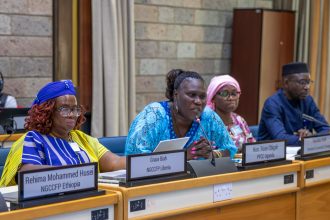
The partners said the project is intended to strengthen collaboration between government, financial institutions, businesses, communities and the media.
For Kenya, the focus will be on ensuring that biodiversity is increasingly recognized not only as an environmental concern, but as a foundation of economic activity, livelihoods and long-term development.