



By Imali Ngusale
Kenya is confronting increasing climate impacts that are exceeding the limits of adaptation, resulting in severe losses and damage to communities, infrastructure, and livelihoods. Rising water levels in the Rift Valley Lakes and Lake Victoria pose urgent threats, making timely action critical
In response to this impending crisis, the climate Change Directorate (CCD) under the Ministry of Environment, Climate Change and Forestry, in partnership with the United Nations Population Fund (UNFPA) Kenya, held a workshop to fast-track discussion on solutions to address this existential threat by enhancing access to the newly established Fund to Respond to Loss and Damage (FRLD) through its Barbados Implementation Modalities.
The Barbados Implementation Modalities (BIM) guides the operationalization of the global response to loss and damage under Article 8 of the Paris Agreement. The BIM also reaffirms that support for Parties (Nation States) that have suffered Loss and Damage will be needs-based. The BIM also stipulates priorities for climate-vulnerable countries like Kenya.
Kenya’s bold step to domesticate the BIM is critical in addressing the escalating climate crisis that continues to inflict severe environmental, economic, and social impacts. This move is timely, following discussions at COP30 in Belém (November 2025), where Parties advanced the implementation of the Fund for Responding to Loss and Damage under the Barbados Implementation Modalities (BIM).
Over the last 3 decades, Kenya has witnessed a dramatic shift in its water landscape. Rising water levels have transformed the physiognomy of lakes and rivers, with Lake Baringo expanding by 12 meters, displacing communities and threatening biodiversity.
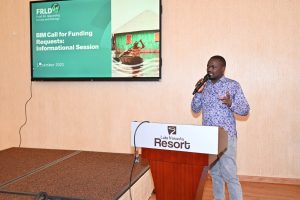 Speaking during one of the sessions, James Thonjo, a Senior Officer with Kenya’s Ministry of Environment, Climate Change and Forestry, said, “The losses and damages from climate change can no longer be ignored.”
“We have witnessed rising water levels in the recent past that have ravaged communities of their livelihoods,” Thonjo continued, highlighting the immediate and visible impacts.
Notably, in 2024 flash floods, exacerbated by an unprecedented El Niño, ravaged the country, claiming over 174 lives, displacing over 500,000 households. The unabated floods also destroyed 17,000 acres of farmland.
Markedly, these climate-related disasters were not isolated incidents. Kenya faces an annual economic loss of approximately 2.6% of its GDP due to climate variability and extreme weather events. The country’s arid and semi-arid lands (ASALs), which cover 90% of its territory, are particularly vulnerable, with droughts affecting 8 million Kenyans and forcing 286,000 to migrate.
Thomas Lerenten, the Deputy Director Climate Change Adaptation, at the Climate Change Directorate, Ministry of Environment, said, “We began the journey toward the Loss and Damage Fund in 2021 through the Warsaw International Mechanism, and we are now pleased that we can finally implement the Barbados Implementation Modalities.
Lerenten however stated that evidence needs to be gathered to support the “Loss and Damage cases that have stemmed from climate change.”
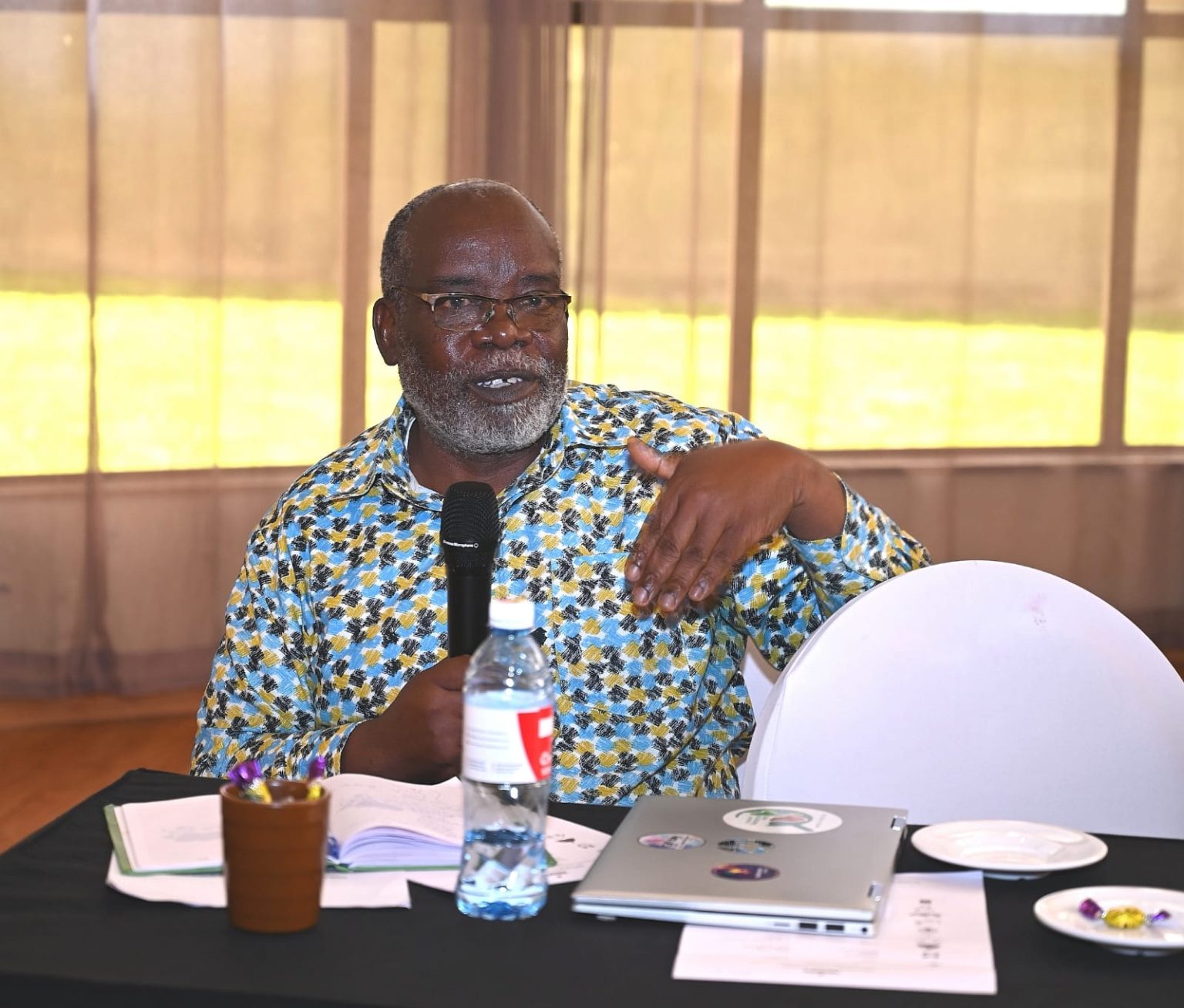
With the same tone, Professor Simon Onywere from Kenyatta University said, “Climate change in Kenya is a major crisis.” The Professor also stated that the rising water levels in the major lake basins in Kenya have all been impacted by climate change.
Onywere emphasized that unless the government fast-tracks funding for loss and damage, affected communities that have already suffered irreversible climate impacts will continue to face prolonged vulnerability and delayed recovery.
The Post COP 30 loss and damage convening proposed the implementation of the Barbados implementation modality as a critical step towards addressing the climate induced losses.
The modality provides a clear, operational framework for delivering timely, accessible, and accountable support to countries and communities already experiencing irreversible climate impacts.
This notwithstanding under the Barbados Implementation Modalities (BIM), there is no fixed or predetermined amount that countries can receive for loss and damage.