



By Lenah Bosibori
Efforts to expand access to the human papillomavirus (HPV) vaccine beyond young girls is gaining momentum in Kenya, as health experts push for broader strategies to reduce cervical cancer cases across Africa.
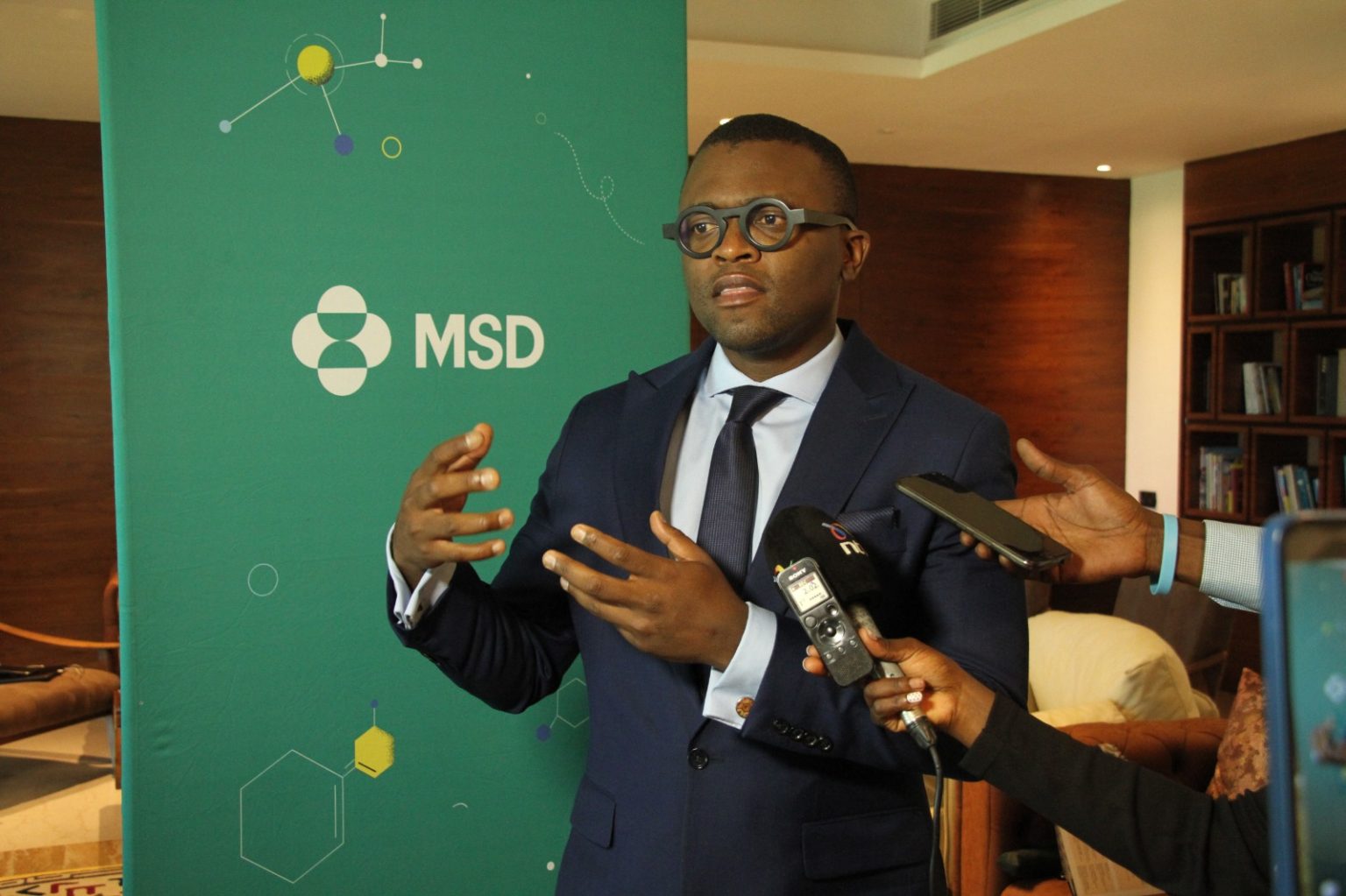
Speaking at the Africa Health Business Symposium 2026 in Nairobi, Zwelethu Bashman Managing Director Merck & Co. (MSD) Africa announced that the company will launch its HPV vaccinations in the private in Kenya in September to help reach populations not covered under governmental funded vaccination program campaigns.
“In the private sector, we will be expanding our business across not just East Africa but also the rest of sub-Saharan Africa. This will include our immuno-oncology drug Pembrolizumab, as well as the HPV vaccine in the private market,” he said.
Bashman said HPV vaccination is often misunderstood as being relevant only for girls aged 9 to 14, the group targeted in public programmes supported by governments and Gavi, the Vaccine Alliance. “That is not the case, there is significant value in vaccinating boys, adult women, and especially higher risk groups, including people living with HIV,” he said.
Sub Saharan Africa accounts for nearly a quarter of global cervical cancer deaths, 19 of the 20 countries with the highest burdens are in the region. “Through MSD for mothers and our partnerships with organizations, we have invested more than $27M to date in Kenya alone to strengthen health systems and improve maternal health outcomes,” said Bashman.
The planned expansion, he added, is aimed at closing access gaps and strengthening cervical cancer prevention, which remains one of the leading causes of cancer related deaths among women in Africa.
Kenya’s national HPV vaccination programme currently focuses on girls aged 9 to 14. Health experts, however, say other groups remain at risk of infection later in life. “There is clear value in expanding protection beyond the primary cohort,” Bashman said. “The private sector allows us to reach those who would otherwise be missed.”
He also highlighted Kenya’s strong policy environment, including its national cancer control framework and the recently launched, fully costed National Cervical Cancer Elimination Strategy, as key enablers for the expansion.
Bashman said the private sector rollout reflects MSD’s broader commitment to improving access to vaccines and cancer care across the region, alongside investments in maternal health and health system strengthening.
Experts at the forum emphasized that expanding HPV vaccination coverage will be critical to reducing cervical cancer cases in Africa, especially as countries work toward global elimination targets set by the World Health Organization.
A Growing Health and Economic Concern
Cervical cancer remains one of Africa’s most serious health challenges, ranking among the top three cancers on the continent and carrying the highest mortality rate.
Experts warn that the disease has wide ranging social and economic impacts, affecting families, communities, and productivity. “When women are affected, the ripple effects are profound, impacting household stability, education, and economic productivity,” said Bashman.
Across Africa, about 33 countries have introduced HPV vaccination programmes, but significant gaps remain, particularly in countries yet to fully roll out national immunization efforts.
Vuyo Mjekula External Affairs Director MSD Sub-Saharan Africa highlighted that the company’s work in Kenya is strongly focused on maternal health, alongside continued support for the HPV vaccination programme.
“HPV vaccination is not only relevant for young girls. There is clear value for boys, adult women, and high-risk groups, including people living with HIV,” she said, adding that the private sector offers an important pathway to reach populations not covered under public programmes.
She called for a shift in how governments view healthcare financing, urging a move from treating health as a cost to recognizing it as an investment in economic growth.
“That gap must be addressed if we are to build resilient healthcare systems,” she said. “Healthcare is not just an expense but an investment in productivity and long-term development.”
Cervical Cancer Elimination Efforts
Global efforts to eliminate cervical cancer are guided by the World Health Organization’s 90-70-90 targets: vaccinating 90 percent of eligible girls, screening 70 percent of women, and ensuring 90 percent of those diagnosed receive treatment.
While vaccination coverage is improving, experts noted that screening and treatment remain weak links in many African health systems. “We are making progress in prevention, but access to treatment is still limited,” Bashman said, noting that new cancer therapies are being introduced in several African markets this year.
MSD said its broader role includes strengthening health systems, supporting initiatives such as the City Cancer Challenge, and partnering with providers including Avenue Healthcare and Goodlife Pharmacy.
The symposium, now in its 10th edition and themed “Health as an Investment: Powering Impact, Sustainability and Economic Growth in Africa,” has brought together policymakers, private sector leaders, investors, development partners and innovators from across Africa and beyond. The event is taking place from April 21 to 23, 2026.