



Five-year initiative will strengthen 210 health facilities across 13 regions, train more than 10,000 health workers and target the prevention of over 50,000 maternal and newborn deaths and stillbirths by 2031.
By Henry Mazunda
DAR ES SALAAM, Tanzania- Tanzania has launched a US$75.4 million partnership with the Beginnings Fund to strengthen maternal and newborn healthcare, targeting preventable deaths during childbirth and the critical first days of life.
The five-year initiative, led by the Government through the Ministry of Health and the Prime Minister’s Office – Regional Administration and Local Government (PMO-RALG), will support 210 high-volume health facilities across 13 regions, with the ambition of reaching approximately 7.3 million women and their newborns with quality healthcare.
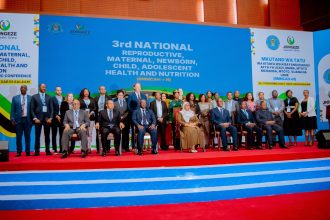
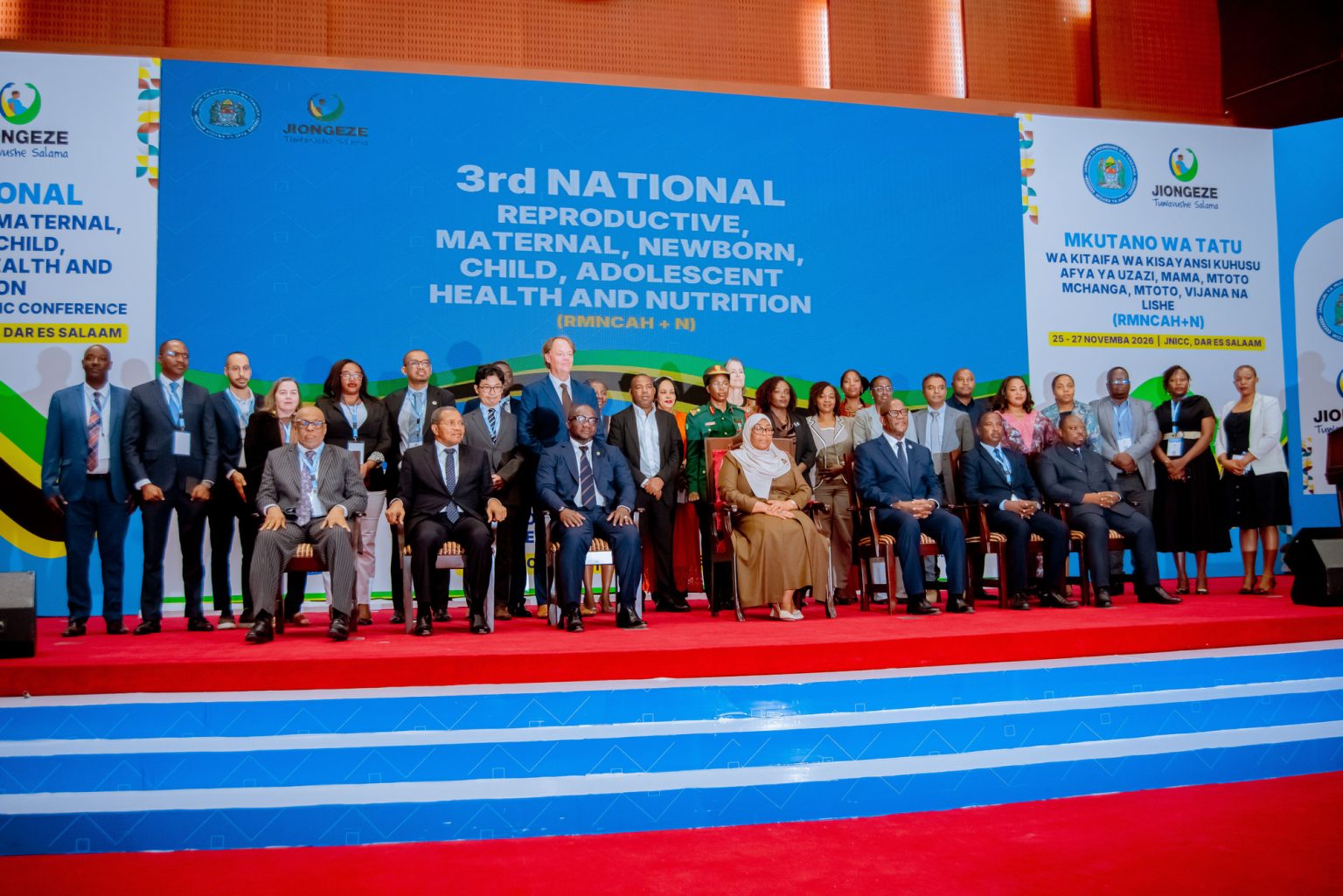
Announced during the Third National Reproductive, Maternal, Newborn, Child, Adolescent Health and Nutrition (RMNCAH+N) Scientific Conference, the investment will strengthen health workers’ capacity, expand access to essential medical equipment and diagnostics, and improve specialised newborn care.
The initiative comes as Tanzania seeks to accelerate progress towards its 2030 maternal and newborn health targets, particularly addressing persistent gaps in the quality of care during childbirth and immediately after delivery.
Although the country has expanded access to healthcare and made progress in reducing maternal mortality, improvements in newborn survival have been slower. Neonatal mortality declined marginally from 25 to 24 deaths per 1,000 live births between 2015/16 and 2022.
Health officials say strengthening the quality and availability of essential services is critical to reversing this trend.
“We welcome this partnership with the Beginnings Fund, which will support our efforts to ensure more women receive quality care during pregnancy and childbirth, and newborns have access to the services they need,” said Mohamed Omary Mchengerwa, Tanzania’s Minister of Health.
He said the investment would strengthen the health workforce, improve access to essential diagnostics and equipment, and expand specialised newborn services in support of the country’s 2030 health priorities.
A central component of the partnership is the expansion of Tanzania’s Safer Birth Bundle of Care Plus (SBBC+), an integrated approach combining practical training and mentorship for healthcare workers with interventions to improve care during pregnancy, childbirth and the newborn period.
The programme is expected to strengthen the skills of approximately 10,000 health workers, provide specialist training to more than 650 personnel and support the recruitment of about 500 additional health workers for eventual absorption into government employment.
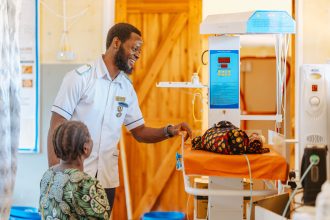
It will also improve access to ultrasound services, medical equipment and digital technologies for monitoring women during childbirth. Investments in neonatal care will include constructing and upgrading specialised newborn care units, alongside strengthening national health information systems to improve service monitoring and decision-making.
The geographical focus reflects the distribution of newborn deaths across the country. Some 130 facilities in Mwanza, Tabora, Dar es Salaam, Kagera and Simiyu will receive priority support, as these regions account for 46 per cent of neonatal deaths nationally.
Another 80 facilities in Mara, Dodoma, Morogoro, Shinyanga, Mbeya, Lindi, Mtwara and Pwani will receive targeted interventions.
The partnership aims to reduce maternal deaths and stillbirths by 33 per cent each and newborn deaths by 50 per cent, contributing to the prevention of more than 50,000 deaths and stillbirths by 2031.
Beginnings Fund Chief Executive Officer Alice Kang’ethe said the investment was intended to support government-led efforts to ensure women receive timely care during pregnancy, skilled assistance during childbirth and emergency services when complications arise.
The partnership also aligns with the African Union’s Three Zeros agenda, particularly the ambition to eliminate preventable maternal and newborn deaths across the continent.
Its launch coincided with the introduction of the African Union Champion Roadmap in Tanzania by President Samia Suluhu Hassan, the AU Champion for Maternal and Child Health. The roadmap was previously launched at the Fifth International Conference on Public Health in Africa in Addis Ababa.
The investment will complement approximately US$167 million in government financing for maternal and newborn health priorities over the next five years, underscoring the importance of aligning external development financing with national health strategies.
Implementation will be coordinated by the Ministry of Health and PMO-RALG, working with the Medical Stores Department and technical partners, including Ifakara Health Institute, Haydom Lutheran Hospital, Benjamin William Mkapa Foundation, Doris Mollel Foundation, Results for Development, inSupply Health and Muhimbili University of Health and Allied Sciences, among others.
The Mohamed bin Zayed Foundation for Humanity, Gates Foundation and Children’s Investment Fund Foundation (CIFF) are among the institutions supporting the broader effort through the Beginnings Fund.
H.E. Dr Shamma Khalifa Al Mazrouei, Director General of the Mohamed bin Zayed Foundation for Humanity, said the partnership reflected the importance of making maternal and newborn survival a national priority.
“Where a woman lives should not determine whether she survives childbirth or whether her baby has a healthy start in life,” she said, highlighting the potential of sustained investment and strong health systems to improve outcomes for mothers and newborns.
Boniface Njenga, Deputy Director for Health Delivery and Systems, Africa, at the Gates Foundation, said the partnership demonstrated the value of aligning philanthropic investment with government-led health priorities.
CIFF Africa Executive Director Faustina Fynn-Nyame similarly emphasised the importance of long-term investment in strengthening health systems, equipping healthcare workers and expanding access to quality services.
The Tanzania initiative builds on the Beginnings Fund’s partnerships with African governments, including Malawi, Rwanda, Zimbabwe, Kenya, Ethiopia and Zanzibar.
For Tanzania, the central challenge will be translating the substantial financial commitment into accessible, quality care across the targeted facilities, particularly for women and newborns in underserved communities. Sustained health workforce capacity, reliable medical supplies and effective monitoring will be essential to achieving the partnership’s ambitious survival targets.