




By Africa Science News
NAIROBI, Nov.22–The conservation of indigenous seeds and food crops in Africa to tackle hunger and malnutrition has largely succeeded thanks to efforts of women farmers, said two studies that were launched on Thursday at the end of the first Eastern Africa Indigenous Seed Conference held in Nairobi, the Kenyan capital, from Nov.17 to 20.
Compiled by African Women’s Collaborative for Healthy Food Systems, a Pan-African initiative that promotes eco-friendly farming practices, the two studies highlight the critical role of female subsistence farmers in conserving native seeds and crops that are highly nutritious, resistant to pests, diseases and climate-related shocks.
The first study titled “the Empirical Study of Nutritional African Foods,” shines a spotlight on how women farmers in Burkina Faso, Senegal, Uganda, Zambia and Zimbabwe are leveraging agro ecological practices and traditional knowledge to promote food and nutrition security in their localities.
In addition, the second study titled “the Nutrition Assessment of Ten Climate-Resilient Food Crops,” hailed female small-scale farmers for utilizing their knowledge and lived experiences to promote dietary diversity in the continent.
“The findings remind us that women are not merely participants in food production. They are custodians of seeds, knowledge, and practices that have sustained communities across generations,” said Elizabeth Mpofu, the Founder/Director of African Women’s Collaborative for Healthy Food Systems.
She observed that the studies also highlighted challenges women farmers in Africa are grappling with including insecure land tenure, limited access to capital, inadequate policy and institutional support, alongside climatic stresses.
Mpofu urged African governments to ensure women farmers have secure land tenure, are at the center of managing native seeds, while empowering them to participate in value addition of indigenous crop varieties.
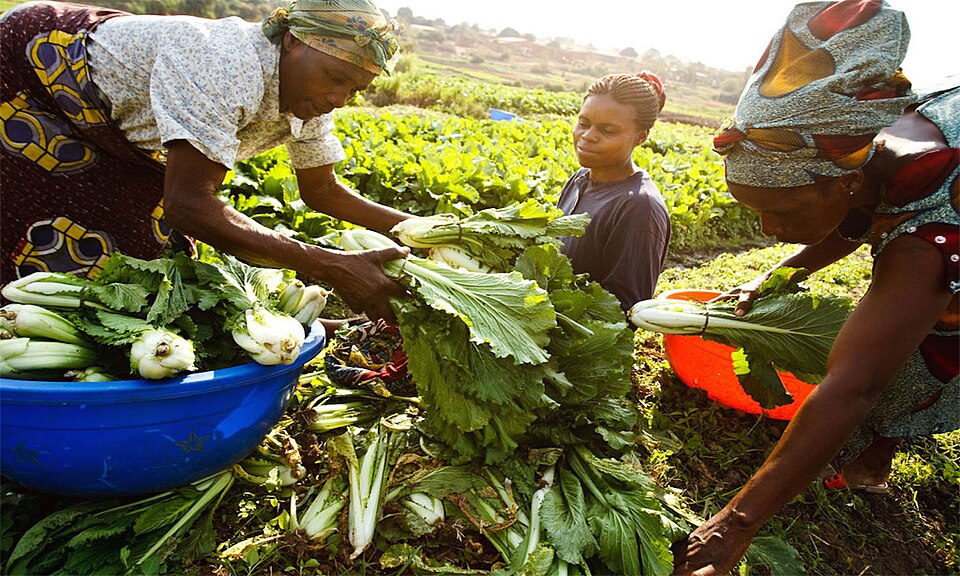
African women farmers have played a major role in sustaining local food systems; cultivating diverse crops such as cereals, legumes, tubers, vegetables and fruits to promote household food and nutrition security, noted the studies’ findings
The women farmers were also adept at processing, preservation and value addition, using traditional methods including drying, fermentation, storage and fermentation of crops into flour, beverages, oils and jams, said the studies.
“These practices helped extend shelf life, reduce post-harvest losses and created opportunities for additional income,” noted the study findings.
Across Sub-Saharan Africa, women farmers have used a range of agro-ecological practices to sustain food production amid changing weather conditions, said the studies.
Some of the practices female small-holder farmers have implemented with success includes intercropping, crop rotation, use of organic manure, water harvesting, soil conservation and preservation of indigenous seeds, noted the studies.
Batsirai Chipurura, a senior lecturer and researcher at the University of Zimbabwe said that women farmers are central to sustaining food diversity for local communities in Africa through cultivating crops rich in proteins, carbohydrates, fiber, vitamins and minerals.