



By Lenah Bosibori
For years, many patients in Kenya carried a half-cut exercise book to health facilities. Health workers used it to record patients’ names, diagnoses, and treatments. Patients had to bring it back at every visit.
But the book could be lost, water-damaged, or destroyed in a fire. If a patient forgot it, health workers might not know their medical history. Within health facilities, paper records created additional problems. Staff searched through crowded rooms filled with files and registers.
They also spent hours counting cases and copying information into reports, a slow process that could lead to mistakes. “It was very difficult,” says Damaris Kinoti, a Health Records and Information Officer in Nairobi City County. “In busy facilities, the paperwork was overwhelming.”
In April 2025, Nairobi City County became the first county to introduce Tibabu, alongside Taifa Care digital health systems that have changed how facilities record and use patient information. “When a patient arrives, staff can enter their personal details and medical history into the system. The information can be kept for years, instead of relying on a paper card that may go missing,” said Kinoti.
A patient’s visit can be recorded from registration and triage to consultation, tests, and medicine collection. Health workers can also check earlier visits. “With a click of a button, a new clinician can see what has been happening since the patient’s first visit,” Kinoti says. “That helps us provide better care.”
This can be especially useful for people living with long-term conditions such as diabetes and high blood pressure. Digital records can also help facilities track medicines and laboratory supplies, monitor patient numbers and see where more staff may be needed.
Five approved electronic medical record systems are in use in different facilities: Tibabu, Afya KE, KenyaEMR, Afya Lit and Afya Apex.
Some systems were first used for specific programmes. For example, KenyaEMR was used in comprehensive care centres (CCCs) serving people living with HIV. Kinoti says these services are now being brought together through Tibabu.
The systems still need regular technical support. Internet connections can be unstable, and maintenance or other technical work may sometimes interrupt services. Tibabu is not yet directly connected to the national reporting system, the Kenya Health Information System (KHIS).
Staff transfer data from Tibabu into KHIS manually. The national system brings together health information from public and private facilities across Kenya. Digital platforms also help facilities submit claims to the Social Health Authority. The money received can help facilities buy medicines and other supplies.
From Nairobi to Kisumu
Kisumu County is using digital health systems to help address high maternal and newborn death rates. One of them is WONDER, an electronic medical records system that supports care for mothers and babies in public and private health facilities across the county.
It began at Kisumu County Referral Hospital and Lumumba Sub-County Hospital, then expanded to other facilities with high numbers of pregnancy complications and deaths.
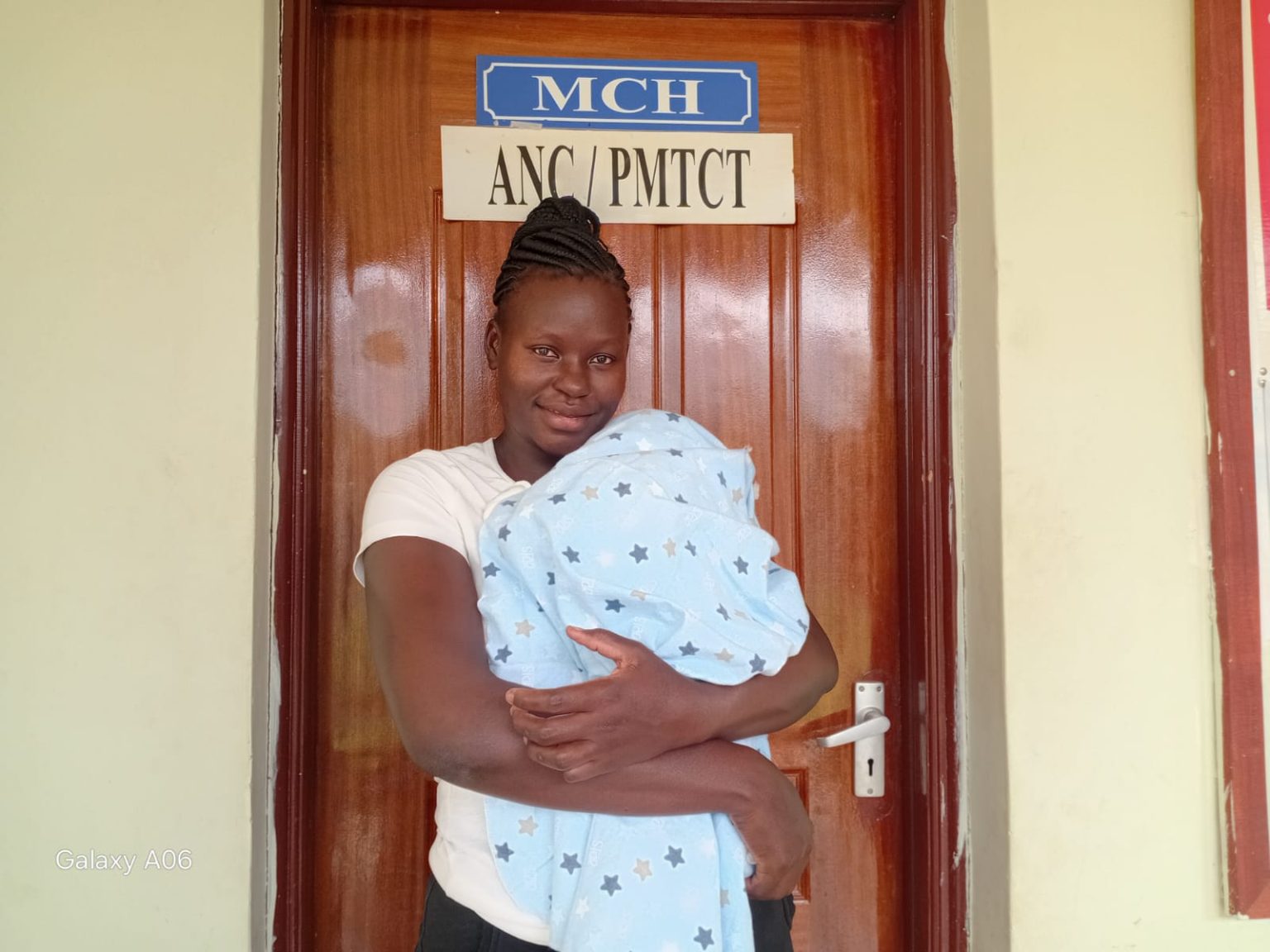
It helps health workers identify pregnant women who may need urgent care. At Angola Health Centre, expectant mothers come for check-ups while others bring their babies for vaccination. Among them is Evelyne Nashle, who is pregnant with her second child.
During her first pregnancy in 2021, Nashle had little information about pregnancy and childbirth. Her baby weighed 4.2 kilograms at birth but did not cry and died three days later. “I was deeply traumatized and had given up on having children again,” she says.
This time, health workers are following her pregnancy closely and recording her information digitally to help spot warning signs early. Oliver Okwaro, an information and communications technology user-support specialist at WONDER Health, says it is now used in 44 facilities in the county.
“Our movement within the county is targeted and guided by data,” he says. “We started with two facilities, and we are now at 44.” At a connected facility, health workers enter details such as a pregnant woman’s blood pressure, pulse, temperature, and test results.
WONDER gives her a risk level: green means there is no immediate concern, yellow means she needs closer monitoring, and red means she needs urgent attention. The system can flag conditions such as severe anaemia and high blood pressure.
When it identifies a serious risk, health workers and clinical supervisors receive an alert. “When an alert is raised, healthcare providers within that network are informed that there is a mother at risk,” Okwaro says.
Kisumu County recorded 46 red alerts and 309 yellow alerts across six connected facilities between January 1 and September 9, 2026, says Dr Joram Abiero, head of the county’s Division of Primary Healthcare. He says anaemia was linked to 43 per cent of the cases.
Late antenatal visits, poor diets and stopping iron and folic acid tablets because of side effects can all contribute to anaemia, he says. In Kolwa East, data showed that nearly 60 per cent of pregnant women attending health facilities had anaemia, according to Dr Gregory Ganda, Kisumu County’s Executive Committee Member for Health and Sanitation.
The county responded with nutrition education and intravenous iron treatment for some women who did not improve with tablets. Nurses, nutritionists and community health promoters also worked together to support the women.
After a year, Dr Ganda says, anaemia levels had fallen to about 30 per cent. “Once we saw that anaemia was high, we started nutrition interventions,” he says.
Support beyond the clinic
Digital care can also reach mothers at home. PROMPTS, a free text-message service developed by Jacaranda Health, shares information about pregnancy and newborn care. Mothers can also ask questions and receive guidance.
Lilian Akoth, a mother of two, says the service helped her during pregnancy. She had planned to delay antenatal care until her sixth month. But a community health worker warned that waiting could put her unborn baby at risk. Akoth began clinic visits in her fourth month and was registered on WONDER and PROMPTS.
“I used to experience heavy discharge and was terrified, but through the platform, I learnt that it was normal,” she says. “The system stepped in like a mother guiding her daughter when family is far away.”
At Angola Health Centre, each pregnant woman is linked to a community health promoter in her area. If a mother misses an appointment, staff try to call her. If they cannot reach her, a promoter may visit her home.
Kisumu also uses SafeCare to check whether facilities have the staff, medicines, equipment, water and procedures needed to provide quality care.
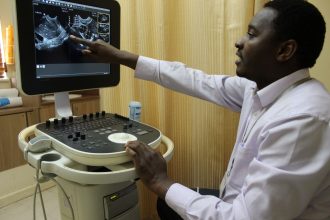
The county is also piloting portable ultrasound devices supported by artificial intelligence. Trained nurses and community health workers use them to check for concerns such as twin pregnancies, breech positions and some problems with the placenta.
In the first year, they conducted about 980 scans. Around 20 per cent of the women needed further assessment, treatment or referral, and nearly 18 twin pregnancies were identified.
Digital systems still face challenges. They need trained staff, reliable electricity and internet, medicines, equipment and quick referral services.
WONDER is web-based, so a weak internet connection can delay alerts. Dr Abiero says 120 of Kisumu County’s 157 public health facilities have internet access, but connections remain unstable in some remote areas.
Kinoti says health workers can access only the information they need for their jobs. “Each authorized worker has an individual account, and the system records when they log in and which patient records they view,” she adds.
But an alert can help save a life only if health workers can act on it. Facilities need enough staff and supplies, and must be able to refer a mother quickly when she needs more care.
“Digitization is not just about keeping electronic files,” Dr Ganda says. “It is about real-time visibility. WONDER allows us to see every mother, identify her level of risk and ensure that the health system acts before it is too late.”
The half-cut exercise book once carried a patient’s medical history. Digital records can now help health workers follow care, spot risks and respond sooner, but they work best when facilities have the people, supplies and reliable connections needed to act.