




By Lenah Bosibori
Nairobi — Global oil prices have risen sharply due to tensions from the Iran war, which has disrupted supply and created uncertainty in energy markets. Kenya as a net oil importer has been highly exposed to these global shocks translating into higher fuel.
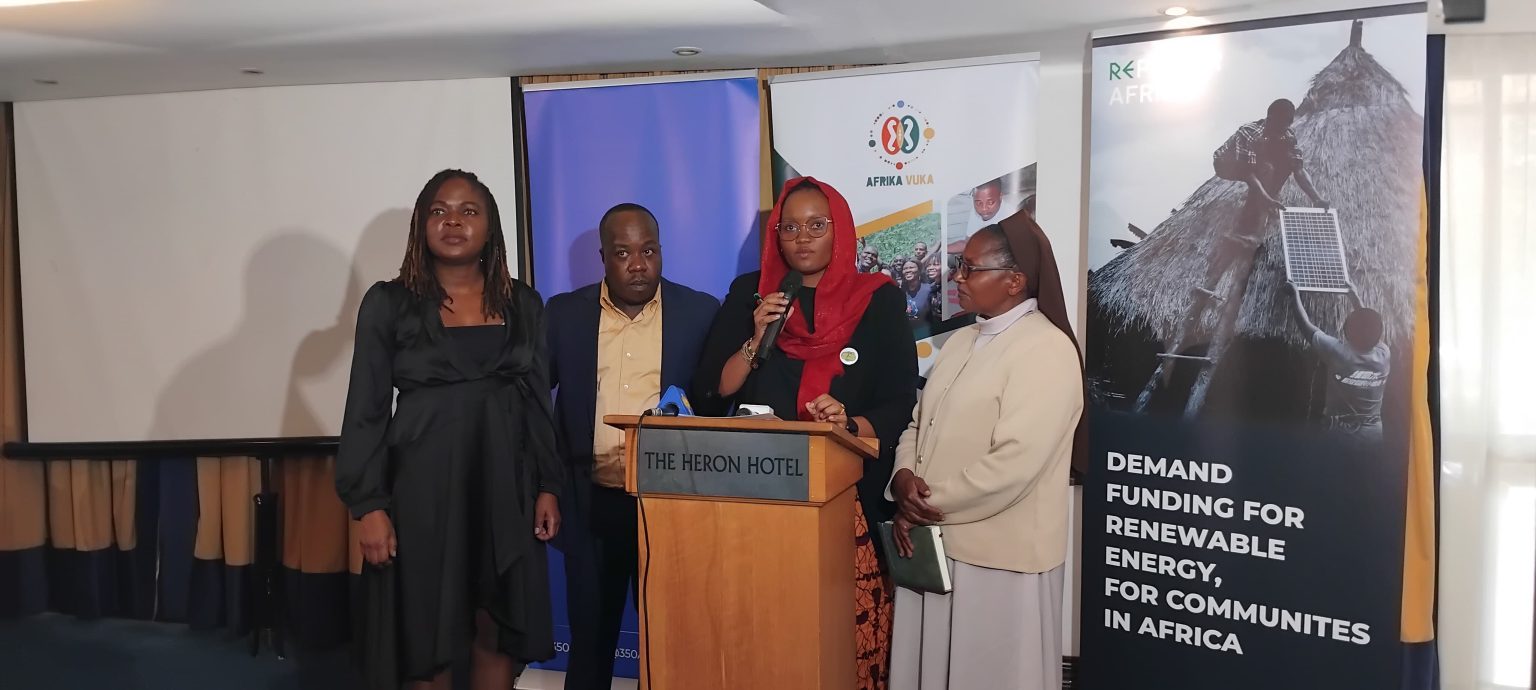
Speaking during a briefing in Nairobi on Thursday, new estimates by climate campaign group 350.org East Africa show that Kenya has incurred an additional KSh18.6 billion to KSh19.5 billion (USD 143–150 million) in oil costs within the first two months of the Iran war.
Rukiya Khamis, Programme Manager for 350.org East Africa, said the current energy system continues to disadvantage ordinary citizens, warning that the surge in global oil prices has placed a heavy burden on households and businesses, amounting to an “obscene transfer” of wealth to fossil fuel companies already recording windfall profits.
“It is a staggering injustice that fossil fuel corporations are posting record-breaking profits while families struggle to keep the lights on. Power remains concentrated in the hands of those who thrive on crisis and scarcity,” said Khamis.
She further noted that the estimates capture only direct oil costs and exclude wider impacts such as rising gas prices, food costs, and inflation, meaning the overall economic toll could be significantly higher
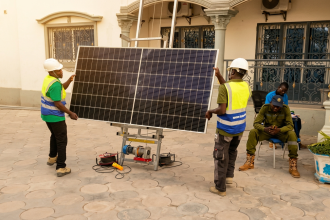
According to the group, the KSh19.5 billion (USD 150 million) spent on higher oil prices could instead provide solar power to about 150,000 Kenyan households.
The briefing comes as part of the “We Pay, They Profit” campaign, a global initiative calling for an end to fossil fuel dependence and increased investment in affordable, decentralized renewable energy systems.
The campaign is urging governments in Kenya and across East Africa to prioritize ring-fencing public funds to expand community-based renewable energy, for populations most affected by climate change.
“It’s time to end our forced dependence on fossil fuels, tax the profiteers benefiting from this hardship, and redirect that wealth into building a fair, clean energy system. We are not just asking for lower bills we are demanding a system that values human dignity over corporate greed,” she said.
Climate experts say the crisis emphasizes the economic risks of fossil fuel dependence. Amos Wemanya, Senior Climate Advisor at Power Shift Africa, noted that the fossil fuel era is not just ecologically unstainable but also indefensible.
“A transition to decentralized renewables is not a burden, it is the surest investment of our generation, delivering cheaper energy, jobs, and resilience,” said Wemanya.
Globally, 350.org estimates that rising oil and gas prices could cost the world economy between KSh77.8 trillion and KSh129.6 trillion (USD 600 billion to USD 1 trillion) by the end of 2026.
In addition, households worldwide bear an estimated KSh1.55 quadrillion (USD 12 trillion) annually in “hidden” fossil fuel costs, including subsidies, tax breaks, health impacts, and climate-related damages.
Savio Carvalho, Head of Campaigns and Networks at 350.org, emphasized the urgency of transitioning away from fossil fuels: “We pay, they profit, until we break free from fossil fuels,” he noted. “The less reliant we are, the more protected people are from price shocks. Renewables are now the cheapest option, while fossil fuels have become a liability.”
350.org maintains that shifting to decentralized renewable energy systems could stabilize energy costs, reduce economic shocks, and expand access to affordable power across Africa.