





By Checky Joseph Abuje
Kenya has been poised to host this year’s Desertification and Drought Day two months from now, on 17 June, as droughts and land degradation intensify worldwide, increasing pressure on rangelands and communities that depend on them.
Held under the theme “Rangelands: Recognize. Respect. Restore,” Desertification and Drought Day 2026 will focus on the role of rangelands in sustaining livelihoods, strengthening resilience to drought and supporting food systems.
The occasion will be preceded by various activities unfolding across Kenya in the week leading up to 17 June, culminating at Vipingo Central Primary School in Kilifi County.
The day will see participation from high-level officials, community leaders, youth, pastoralists and partners, beginning with a ceremonial tree planting and a tour of exhibitions showcasing land restoration initiatives, followed by cultural performances led by local schools and community groups.
As host, Kenya is placing a spotlight on both the realities facing dryland communities and the solutions already taking shape on the ground. Rangelands cover around 80 per cent of the country and sustain millions of people, supporting livelihoods largely through pastoralism and livestock. Their productivity is increasingly affected by climate variability and land degradation.
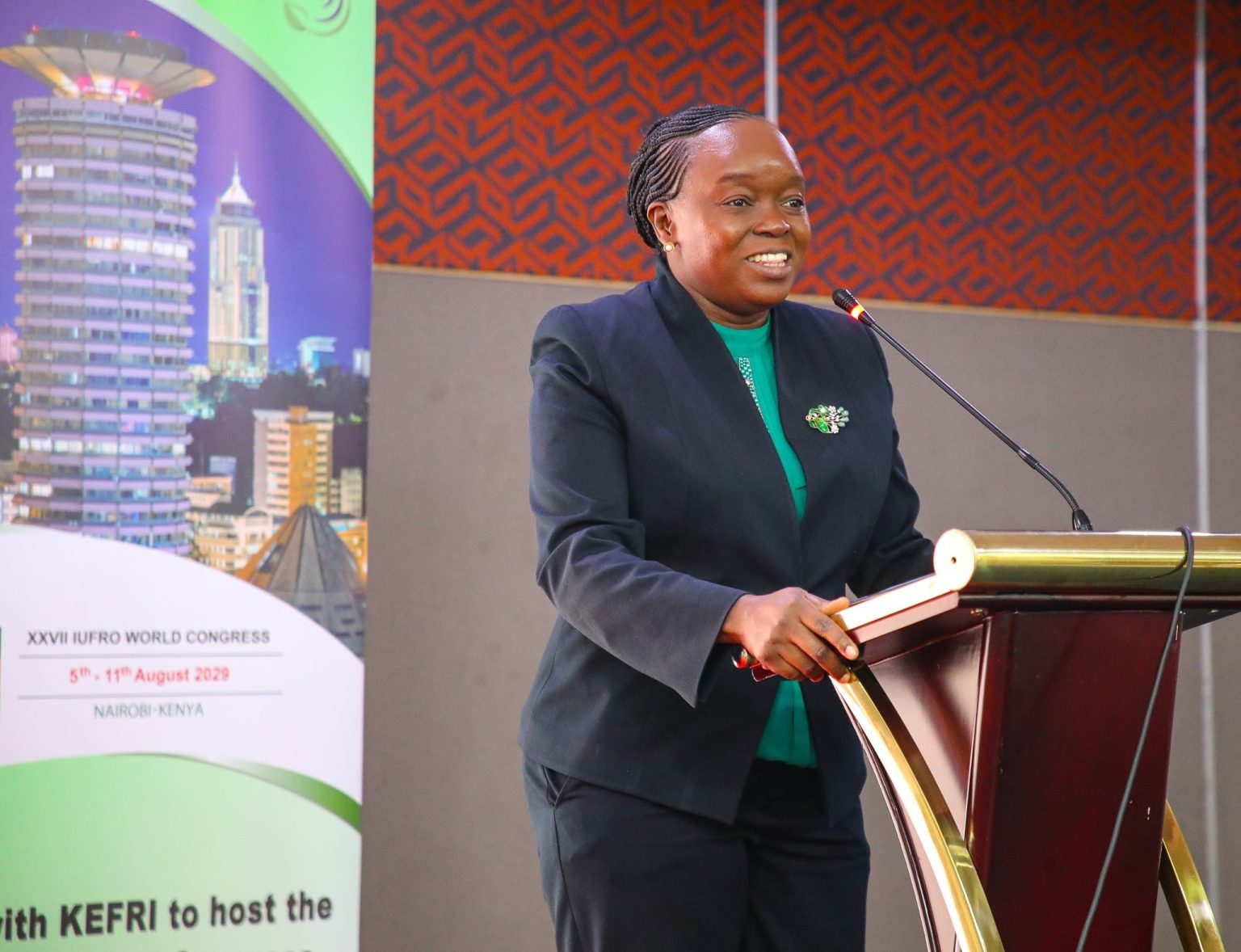
Kenya’s Cabinet Secretary for Environment, Climate Change and Forestry Deborah M. Barasa said: “Kenya is honored to host the global Desertification and Drought Day 2026. This is an opportunity to bring the world’s attention to the realities facing dryland communities, but also to the solutions that are already taking shape on the ground. We look forward to welcoming partners from across the world to advance a shared agenda on land restoration and drought resilience.”
United Nations Convention to Combat Desertification (UNCCD) Executive Secretary Yasmine Fouad added that the event reflects a broader shift in how land and drought are being addressed: “Rangelands are often treated as marginal land, but they are central to how economies, food systems and communities function under pressure. They are central to global stability yet in some places they are degrading faster than rainforests. This year we are shifting into practical solutions on the ground where rangelands would be at the heart of land, biodiversity and climatediscussion with the new angle of investment for the people and by the people”.
Rangelands cover more than half of the Earth’s land surface and support around two billion people worldwide. They also provide almost 70 per cent of livestock feed globally, making them critical to food systems.
Up to half of the world’s rangelands are degraded or at risk, with direct consequences for food security, water availability and livelihoods.
The economic impact is already substantial. Land degradation is costing the global economy close to USD 900 billion each year, while droughts are becoming more frequent and more costly, with losses of at least USD 300 billion annually.
Yet viable pathways for action already exist. Investing in land restoration and drought resilience reduces long-term risk and brings strong returns, making it one of the most effective ways to support sustainable development.
This year’s Desertification and Drought Day put rangelands at the centre of efforts to strengthen resilience and sustain livelihoods, highlighting their role in scaling solutions on the ground.
Taking place during the International Year of Rangelands and Pastoralists, the observance will also highlight the role of pastoralist communities and local knowledge in managing and restoring these landscapes.
These priorities will continue at the seventeenth session of the Conference of the Parties (COP17), to be held in Ulaanbaatar from 17 to 28 August 2026, where governments and partners will advance efforts to address desertification, land degradation and drought.